Insurers Halt Cover for Saudi-Linked Ships in Red Sea Amid Houthi Blockade, FT Says
Key Takeaways
- •Insurers are reportedly limiting or halting coverage for Saudi-linked vessels operating in the Red Sea.
- •The Houthi movement has targeted maritime routes and vessels associated with Saudi Arabia in the region.
- •The Red Sea and Bab al-Mandeb are major trade chokepoints connecting Asia, the Middle East, Europe, and the Mediterranean route.
- •Reduced insurance availability can affect shipowners, charterers, lenders, and cargo interests before voyages enter high-risk waters.
- •Prediction-market pricing cited in the report shows a 7.9% YES price for no ships transiting the Strait of Hormuz by July 31.
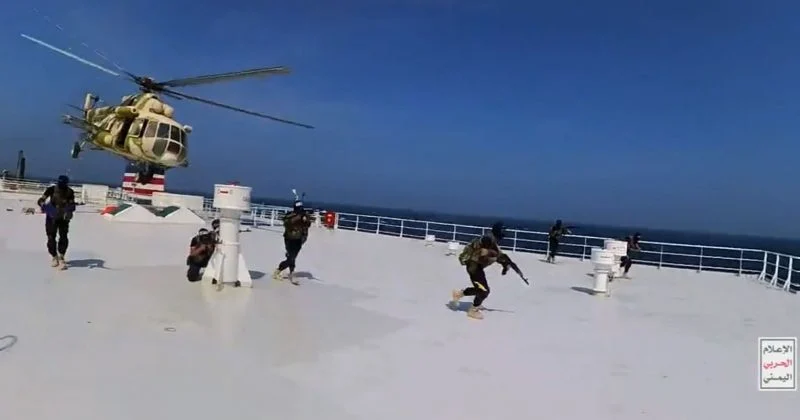
Insurers have stopped providing coverage for ships with Saudi connections in the Red Sea, a move reportedly tied to the continuing Houthi blockade, according to information from @solidintel_x and a Financial Times report cited by CryptoBriefing.
The development underscores the growing risks facing commercial shipping in the region, where the Iran-aligned Houthi movement has targeted maritime routes and vessels associated with Saudi Arabia. The Red Sea and Bab al-Mandeb are major chokepoints for global trade, linking the Indian Ocean with the Suez Canal route to the Mediterranean. Disruptions in these waters have already affected shipping routes, transit planning, and transport costs, with some operators choosing longer voyages around southern Africa when security conditions deteriorate.
The withdrawal or restriction of war-risk coverage by insurers reflects a higher assessed threat level for vessels operating in the area. Rather than simply charging higher premiums, insurers are reportedly limiting or halting cover for ships with Saudi links, indicating that coverage availability itself has become a concern for certain voyages through the Red Sea. Insurance access matters because shipowners, charterers, lenders, and cargo interests often rely on coverage being in place before a vessel enters a high-risk area.
The situation is part of a wider conflict involving the Yemen-based Houthis and is also connected to regional tensions surrounding the Israel-Hamas war. Continued disruption around the Red Sea and Bab al-Mandeb could have broader consequences for international trade and energy flows, given the importance of these routes to shipping between Asia, the Middle East, Europe, and beyond.
Prediction-market pricing cited in the source also shows increased attention on potential disruption in the Strait of Hormuz. The market for no ships transiting Hormuz by July 31 has seen YES pricing rise to 7.9%, according to the report. That pricing reflects a higher assigned probability for a zero-transit scenario in that market.
Further developments in the Red Sea, Bab al-Mandeb, and the Strait of Hormuz remain relevant to shipping security and insurance availability. Regional military actors, including the IRGC and other forces, may also affect conditions in these waterways. Developments in the Israel-Hamas conflict could continue to influence Houthi actions and the wider geopolitical environment.

