JYP, Inspire partner to improve concert access for people with hearing loss
Key Takeaways
- •Inspire Entertainment Resort, JYP Entertainment, and Hearcycle are testing Auracast technology to improve hearing access at Inspire Arena in Incheon under Inspire's ESG project "Sound Beyond Hearing."
- •Auracast, developed under the Bluetooth Special Interest Group's LE Audio standard, wirelessly transmits concert audio directly to compatible hearing aids and cochlear implants and is promoted as a next-generation alternative to induction-loop systems.
- •Inspire will provide a skybox at Inspire Arena as a dedicated listening space and support the installation of transmitters and on-site technical operations.
- •The partnership began with performances by JYP artists including 2PM and DAY6 member Young K and will continue supporting concerts scheduled for the second half of the year.
- •The project comes ahead of a planned November requirement for hearing assistance equipment at public facilities in Korea, where people with hearing loss number in the hundreds of thousands.
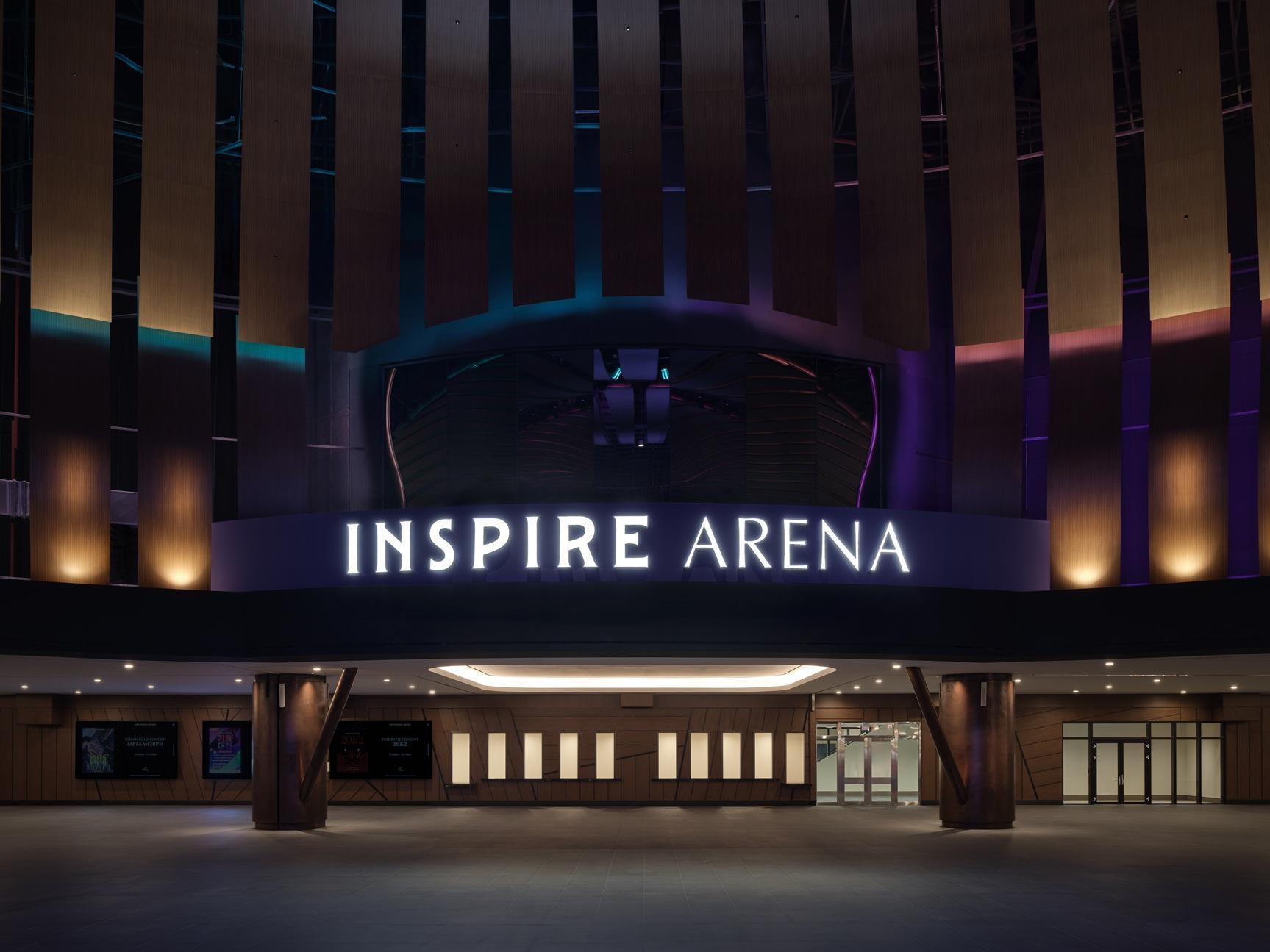
Inspire Arena in Incheon / Courtesy of Inspire Entertainment Resort
A new partnership is testing technology intended to make live music more accessible for concertgoers with hearing loss.
Inspire Entertainment Resort said Monday that it is working with JYP Entertainment, one of Korea’s major K-pop agencies, and Hearcycle to improve hearing access at Inspire Arena in Incheon.
The initiative is part of Inspire’s environmental, social and governance project, “Sound Beyond Hearing,” which is aimed at creating a more inclusive concert environment.
The companies are using Auracast, a wireless technology that can transmit concert audio directly to hearing aids and cochlear implants, allowing users to hear performances more clearly.
Developed by the Bluetooth Special Interest Group as part of its LE Audio standard, Auracast lets a single transmitter broadcast to an unlimited number of nearby compatible devices, including earbuds and smartphones as well as hearing devices. The technology has been promoted within the audio industry as a next-generation alternative to the induction-loop systems that many theaters and concert halls have used for decades to serve hearing aid users. Because Auracast works only with compatible receivers, hearing aid and cochlear implant makers have been adding support to newer models, which will shape how many concertgoers can use the service at Inspire Arena.
As part of the project, Inspire will provide a skybox at Inspire Arena as a dedicated listening space and support the installation of transmitters and on-site technical operations.
The resort will also work with the partners to produce content featuring participants’ experiences with the system.
According to the companies, people who use hearing aids or cochlear implants can have difficulty distinguishing an artist’s voice or lyrics when amplified sound mixes with crowd noise and reverberation in large venues.
The project comes as interest in improving accessibility at performance and cultural venues grows ahead of a planned November requirement for hearing assistance equipment at public facilities. The mandate reflects a broader push in Korea to expand cultural access for people with hearing loss, who number in the hundreds of thousands nationwide.
Inspire said it plans to use the project to build experience operating hearing-access services in a live concert setting and to explore ways to improve accessibility for a broader range of audiences.
JYP Entertainment, home to K-pop acts including TWICE and Stray Kids, said its ESG efforts are intended to expand opportunities for people with hearing difficulties to attend concerts and raise awareness of cultural accessibility.
The partnership began with performances by JYP artists including 2PM and DAY6 member Young K at Inspire Arena and will continue supporting concerts scheduled for the second half of the year.
An Inspire official said the company hopes to build a concert environment where more people can enjoy live entertainment on equal terms.
This article was published with the assistance of generative AI and edited by The Korea Times.

