INEC to Hold Nationwide Mock Election on November 28 to Stress-Test BVAS and IReV Ahead of 2027 Polls
Key Takeaways
- •The mock exercise will cover 17,676 polling units across Nigeria's 8,838 registration areas, testing voter accreditation, device functionality, result upload, and public monitoring on the IReV portal.
- •INEC has introduced reforms for 2027, including barring results that fail polling-unit accuracy checks from reaching IReV, reducing the maximum voters per BVAS device from 1,250 to 850, building climate-controlled storage facilities, and procuring additional devices.
- •The changes respond to problems from 2023, when inaccurate results containing over-voting figures were uploaded to the portal and BVAS devices malfunctioned partly because of extreme heat and poor storage conditions.
- •Public trust remains fragile, as Yiaga Africa's survey found confidence in INEC fell from 45% in December 2025 to 34% in September 2026, while an Afrobarometer poll showed only 37% of Nigerians expect the 2027 elections to be free and fair.
- •The African Democratic Congress Presidential Campaign Council asked for the drill to be postponed, citing insufficient notice to parties, but INEC confirmed it will proceed as planned despite 124 documented violent incidents across 35 states and the Federal Capital Territory since July.
Nigeria's electoral commission will conduct a nationwide mock accreditation exercise on Saturday, November 28, as part of preparations for the 2027 general election, testing the Bimodal Voter Accreditation System (BVAS) and the electronic upload of results less than two months before the presidential poll.
The drill, scheduled from 8:30 a.m. to 2:30 p.m., is intended to expose technical faults before voters encounter the machines on election day. It also comes as the Independent National Electoral Commission (INEC) works to rebuild public trust damaged after the 2023 elections.
A rehearsal, not an election
A mock accreditation exercise is a rehearsal. The commission will simulate election-day procedures using real devices, real polling units and registered voters, but the results carry no weight and no public office is at stake.
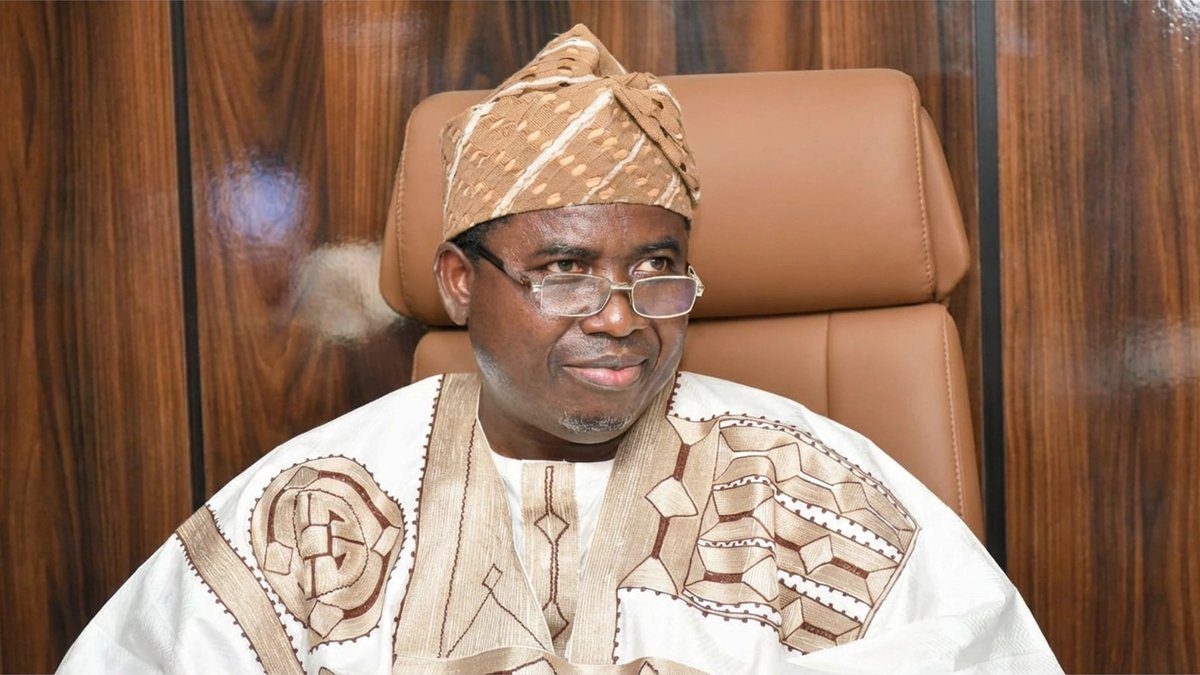
INEC Chairman Prof. Joash Amupitan has described the exercise as a way to test the commission's readiness, including how its systems would perform during a presidential election.
According to the commission, the drill will assess the speed and reliability of BVAS in field conditions, the end-to-end transmission of results to the INEC Result Viewing Portal (IReV), and the technical, logistical and network challenges that could arise.
How the test will be conducted
The exercise will take place in two polling units in each of the country's 8,838 registration areas, for a total of 17,676 polling units — a small fraction of the 177,299 polling units that will be used in the actual election.
Registered voters assigned to the selected units are expected to participate. INEC has published the list of chosen units on its website and shared a QR code on its official graphics so voters can confirm their designated locations.
Four areas under scrutiny
INEC says the test covers four areas:
- Voter accreditation: how BVAS verifies voters at the polling unit.
- Device functionality: the performance of the election devices.
- Result upload: the procedure for uploading results.
- IReV monitoring: tracking simulated results on the portal at irev.inecnigeria.org.
Members of the public can observe the final item directly, as the simulated results will appear on IReV — the same portal at the centre of the 2023 transmission controversy.
Lessons from 2023
The exercise follows controversy over the transmission of results to IReV during the 2023 elections, which drew widespread criticism and dented confidence in the process, according to Premium Times. BVAS devices also malfunctioned in some locations, in part because of extreme heat and poor storage conditions.
Speaking at a dialogue in London, Prof. Amupitan said INEC's review found that the main weakness in results management lay at collation centres rather than polling units. He acknowledged that inaccurate results, including figures showing over-voting, had been uploaded to the portal in 2023.
What has changed ahead of 2027
The commission says it has made four key changes ahead of the 2027 vote:
- Upload safeguard: a result that fails the accuracy check at the polling unit "will not go to IReV at all," Prof. Amupitan disclosed.
- Lighter load per device: the maximum number of registered voters assigned to a single BVAS device has been reduced from 1,250 to 850, and larger units will receive additional devices.
- Better storage: INEC is building climate-controlled facilities across the states to protect equipment from heat damage.
- More devices: the commission has procured additional BVAS units.
Several of the changes respond directly to the problems of the last general election: the inaccurate results, including over-voting figures, that reached the portal in 2023, and devices damaged by heat and poor storage.
The chairman added that INEC upgraded its existing technology rather than introducing an entirely new system because of the limited time remaining. The presidential and National Assembly elections are scheduled for January 16, 2027, with governorship and state assembly polls to follow on February 6. That leaves the commission under two months to diagnose and correct any faults the Saturday drill exposes before the presidential vote.
Persistent doubts
Public confidence in the commission remains low. A survey by Yiaga Africa found that the share of Nigerians confident INEC would conduct credible elections fell from 45% in December 2025 to 34% in September 2026. An Afrobarometer survey similarly found that only 37% of Nigerians expect the 2027 elections to be free and fair.
The African Democratic Congress Presidential Campaign Council (ADC-PCC) had asked for the mock exercise to be postponed, citing insufficient notice to political parties, but INEC's latest notice confirms it is proceeding as planned.
The test also unfolds against a backdrop of security and disinformation concerns. INEC has flagged nine states, including Lagos, Edo and Delta, for campaign violence and attacks on electoral officials. A report by the Kimpact Development Initiative documented 124 violent incidents across 35 states and the Federal Capital Territory between July and November 23.
Yiaga Africa's Executive Director, Samson Itodo, has warned that delayed results, technical glitches or fake result sheets circulating on social media could provoke violence. Any malfunction on Saturday would therefore matter beyond the technology itself, feeding the very distrust the exercise is designed to reduce.

