AUATON Demands Accountability From inDrive Over Liability Clause, Warns of Mass Driver Exit
Key Takeaways
- •The Lagos State Council of AUATON has demanded that inDrive explain what liability it accepts for incidents connected to its platform, warning that drivers could exit the service en masse if it does not.
- •inDrive's Terms of Use reportedly exempt the company from liability toward drivers and passengers for events before, during, or after trips, including theft, property loss, injury, or death.
- •In a statement signed by Chairman Jaiyesimi Azeez, the union also demanded effective emergency response, meaningful incident investigations, cooperation with law enforcement, and engagement with legitimate driver representatives.
- •The union framed its demand as a call for clarification and accountability, stating that it does not assert inDrive's liability has already been legally established.
- •AUATON cautioned drivers to understand sweeping contractual provisions before accepting them and to consult a qualified Nigerian lawyer, since disclaimers may not automatically remove all legal responsibility under Nigerian law.
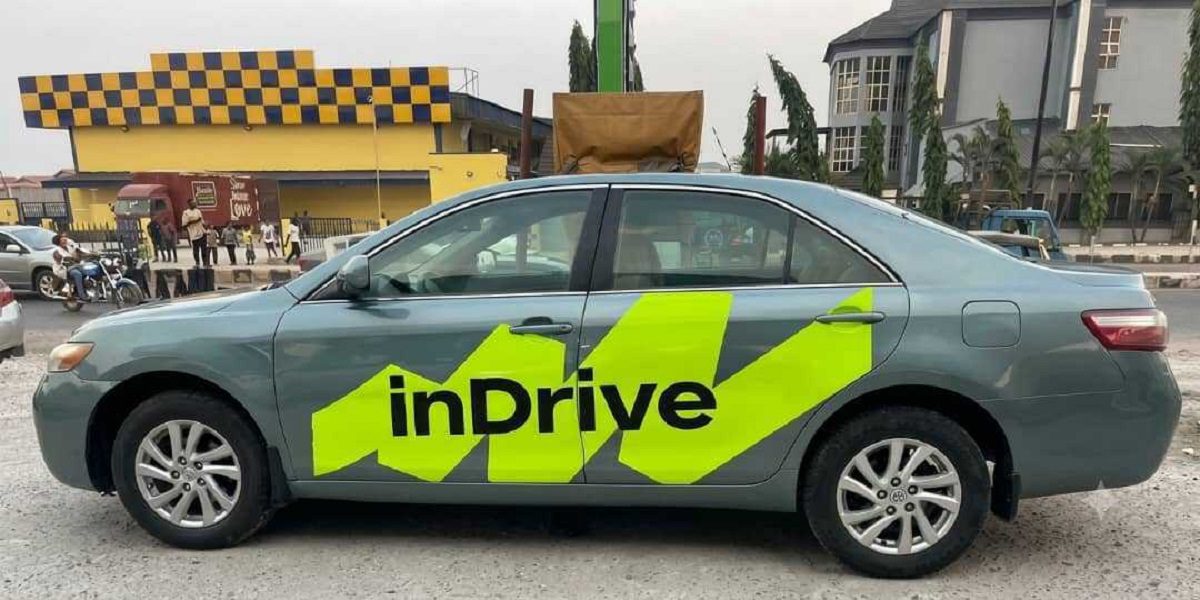
The Lagos State Council of the Amalgamated Union of App-based Transporters of Nigeria (AUATON) has demanded that ride-hailing platform inDrive explain what responsibility it accepts when incidents occur in connection with its service, warning that drivers could exit the platform en masse if it does not. The union's demand follows reports that inDrive's terms say it cannot be liable for the safety of drivers, riders and goods.
In a statement signed by the council's Chairman, Comrade Jaiyesimi Azeez, the union said drivers deserve a clear explanation of the protections available to them whenever they use the platform.
“inDrive should explain what responsibility it accepts when incidents arise in connection with its platform, including where its own conduct may be involved. This is a demand for clarification and accountability, not a statement that liability has already been legally established,” the union said.
Accused of taking no risks but reaping all the benefits
Technext examined inDrive's Terms of Use and found that, regardless of what happens before, during or after a trip, the company will not be liable or accountable to either its drivers or its passengers. The terms, drafted by the company's legal team, have already been consented to by the thousands of drivers and riders who use the platform.
In practical terms, if an incident occurs during a trip — even one resulting in theft, loss of property, harm, injury or death — the company is not legally bound to answer for it. That allocation of risk is the fault line on which the union's warning of a mass driver exit rests.
The union questioned why a company that provides no vehicles, bears no operational costs and carries no physical risk could exempt itself from liability in any form. It also asked what protections and support are available to drivers who suffer vehicle damage or injury, are robbed, or become involved in a dispute arising from a trip booked through the app.
“The big question is: does the platform want the benefits of our participation without accepting a fair share of responsibility? A ride-hailing platform cannot build its business on the daily activities of drivers and then expect drivers to remain silent about accountability, safety, welfare and fair treatment,” the statement reads.
Beyond an accounting on liability, the union demanded that inDrive provide effective emergency response, conduct meaningful incident investigations, and cooperate appropriately with law enforcement. It also said the company must engage legitimate driver representatives and listen to drivers' concerns about safety, earnings, working conditions and welfare. That last demand underscores a tension running through platform work: drivers accept company-drafted terms as individuals, while the union is pressing for a collective channel through which safety, earnings and welfare concerns can reach the platform.
The statement further cautioned drivers against accepting sweeping contractual provisions without understanding their implications and the remedies available to them. According to the union, a disclaimer in a company's terms does not automatically erase every legal responsibility it may have under Nigerian law, nor does the existence of such a clause establish that the company has no liability.
“The enforceability and effect of any clause depend on the applicable law, the contract, the circumstances and the facts of each case. Drivers should seek advice from a qualified Nigerian lawyer who can review the applicable terms and the specific facts of their situation,” the union said.
Whether inDrive responds to the Lagos council's demands — and whether drivers act on the exit warning — is the thread to watch as the dispute unfolds.

