Indiana Farm Bureau Sets 2027 Priorities: Data Center Tax Exemptions and Property Tax Reform Lead the Agenda
Key Takeaways
- •Indiana Farm Bureau delegates approved a policy calling for the repeal of certain tax exemptions currently granted to data center developments.
- •A 2022 Indiana state law provides qualifying data center operators a 25-year sales tax exemption on equipment purchases.
- •Members continue to prioritize property tax reform, including refinements to farm building assessments that have driven higher tax bills.
- •The Indiana General Assembly reconvenes on January 12 for its biennial budget session, giving the group's tax proposals a natural legislative vehicle.
- •The delegate session also addressed energy, water rights, and ultra-processed foods, with final 2027 priorities due this fall.
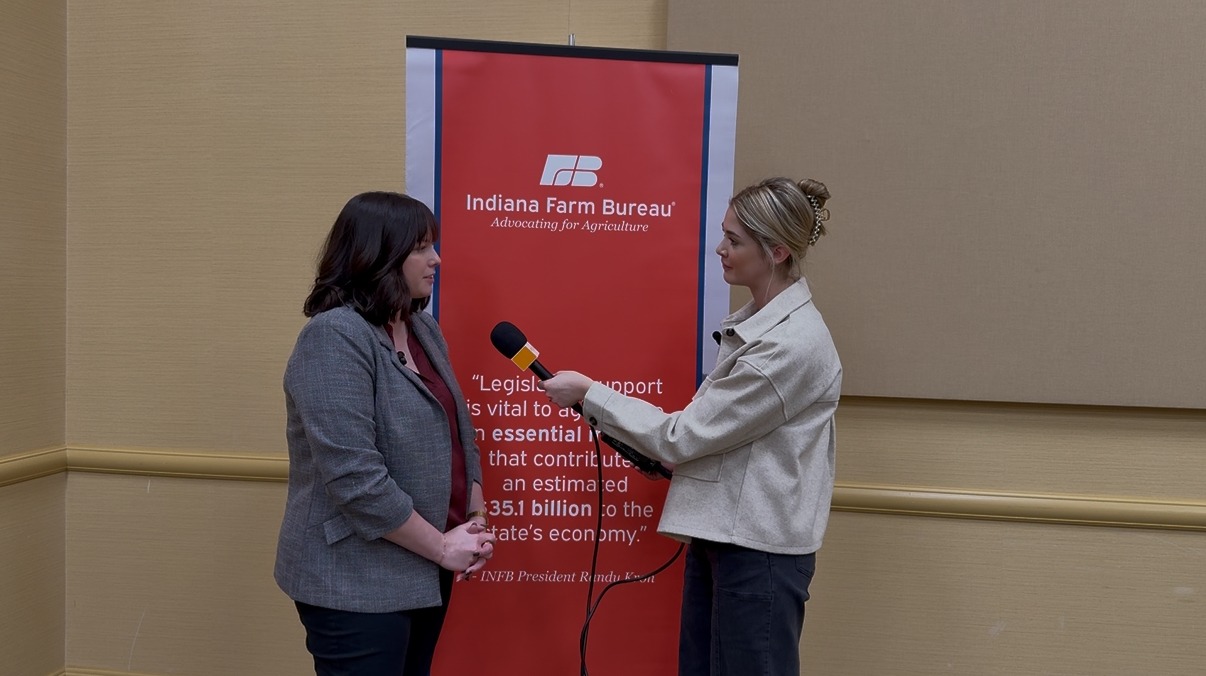
Indiana Farm Bureau members gathered for their annual delegate session on August 28, 2026, where data centers and property taxes emerged as two of the organization's biggest priorities heading into 2027, according to Katie Nelson, the group's executive director for public policy.
Nelson said members approved several policy updates during this year's delegate session.
"One of those included repealing some of the tax exemptions that data center developments currently receive," she said. "We need to be prioritizing that responsible stewardship of local resources and also that respect for private property rights."
The call for repeal takes aim at incentives Indiana lawmakers have already put in place: a 2022 state law provides qualifying data center operators a 25-year sales tax exemption on equipment purchases, part of the state's effort to compete for large-scale projects. Farm Bureau's new position signals that at least part of the state's agricultural community now wants lawmakers to revisit the fiscal terms of those deals.
The approved policy forms the basis of what the organization will lobby for during the upcoming state legislative session in Indianapolis.
Nelson told Brownfield that members continue to focus on property tax reform, an issue that has ranked among the most contentious at the Statehouse in recent sessions as rising assessments translated into higher bills for homeowners and farmland owners alike.
"The assessments on farm buildings will definitely be something that comes up during this next session," she said. "What are those refinements that are needed to protect property taxes and local income taxes for our farmers and our members."
Because local governments and schools rely heavily on property tax revenue, any changes to farm building assessments would have to be balanced against the budgets of the rural counties where many of Farm Bureau's members live—a tension that has complicated prior reform efforts.
Other topics discussed during the annual delegate session included energy, water rights, and ultra-processed foods.
Nelson said the organization will finalize its 2027 policy priorities by this fall.
The Indiana General Assembly will reconvene on January 12 for its biennial budget session, the legislative session in which lawmakers craft the state's two-year budget. That budget-setting format gives the organization's tax-related asks a natural legislative vehicle, since exemption repeals and assessment changes carry direct fiscal implications.
Indiana Farm Bureau is the state's largest general farm organization, and its annual delegate session is the mechanism by which grassroots members set the policy positions that guide the organization's advocacy at the Statehouse.
The discussion around data centers reflects a broader debate in Indiana and other states, where the rapid expansion of data center development—driven in part by growing demand for cloud computing and artificial intelligence infrastructure—has raised questions among rural communities about energy consumption, water use, and the local tax consequences of incentive packages offered to attract such projects.
Source: Brownfield Ag News, by Erin Anderson.

