Indian Rupee Strengthens for Fourth Consecutive Session on Foreign Inflows and Softer Dollar
Key Takeaways
- •The Indian rupee gained 16 paise against the US dollar, marking its fourth straight session of appreciation.
- •Foreign institutional investors have been net buyers in Indian equities, bolstered by India's status as one of the fastest-growing major economies.
- •The US dollar index weakened as markets awaited the Federal Open Market Committee's monetary policy decision, which could affect capital flows into emerging markets.
- •The Reserve Bank of India intervenes in foreign exchange markets to limit excessive volatility rather than targeting a specific currency level.
- •India's dependence on imported crude oil means global energy prices remain a persistent structural influence on the rupee alongside monetary policy and equity flows.
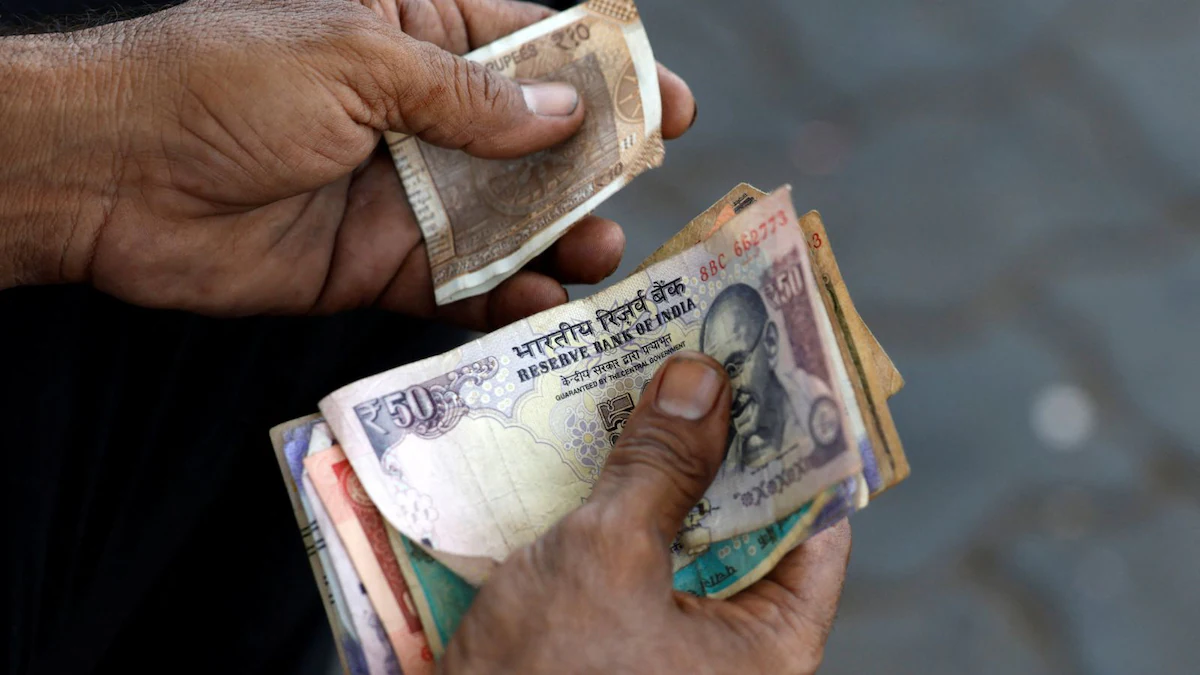
The Indian rupee extended its winning streak to a fourth straight session, gaining 16 paise against the US dollar. The currency's appreciation was supported by robust domestic equity markets, sustained foreign investor inflows, and a broadly weaker US dollar ahead of the US Federal Reserve's monetary policy decision.
Foreign institutional investors have been net buyers in Indian equities in recent sessions, contributing to upward pressure on the rupee. India's standing as one of the fastest-growing major economies has helped sustain foreign portfolio interest. The Reserve Bank of India, for its part, periodically intervenes in foreign exchange markets to curb excessive volatility rather than targeting a specific level for the currency.
The US dollar index, which measures the dollar against a basket of major currencies, has eased as markets awaited the outcome of the Federal Open Market Committee meeting. The US Federal Reserve's policy decisions are closely watched by currency markets globally, as interest rate trajectories influence capital flows into emerging markets. A more accommodative US rate outlook typically reduces the dollar's appeal and supports emerging-market currencies, though India's heavy reliance on imported crude oil means that global energy prices remain a persistent structural factor for the rupee alongside monetary policy and equity flows.
Source: CNBC-TV18

