Indian Refiners Seek Crude From Angola and Venezuela as Middle East Supplies Stall
Key Takeaways
- •India imports more than 85% of its crude oil needs and has historically relied heavily on Middle Eastern suppliers.
- •BPCL is exploring new crude grades from Venezuela and Angola to reduce reliance on supplies moving through the Strait of Hormuz.
- •HPCL said it received almost none of its Middle Eastern term supplies in the first quarter because cargoes were stuck west of Hormuz.
- •Indian Oil and MRPL have reportedly suspended crude loadings from Iraq due to worsening security risks in the region.
- •India’s crude imports from Russia remained near record highs in July despite the end of a U.S. waiver the previous month.
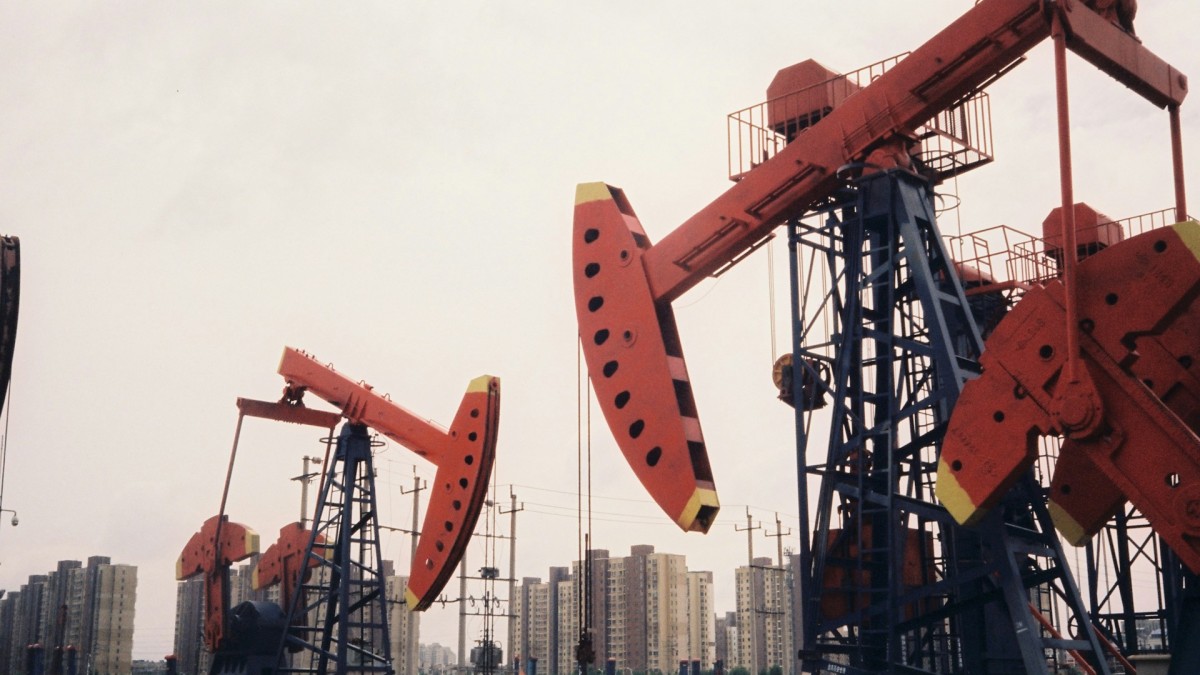
Indian refiners are searching for crude supplies from as far afield as Angola in Africa and Venezuela in South America, as term supplies from the Middle East have again become trapped and are unable to reach India as planned.
India imports more than 85% of its crude oil needs, and Middle Eastern producers have historically accounted for the largest share of those imports, making the country acutely exposed to any disruption in Persian Gulf shipping lanes. Some of India's largest state-held refiners, in the world's third-largest crude oil-importing country, are looking for and testing new crude grades to offset part of the supply lost because of the Middle East conflict, senior refinery executives told the Economic Times.
The Strait of Hormuz, the narrow passage linking the Persian Gulf to the Arabian Sea, routinely carries roughly a fifth of global oil demand and has long been considered one of the world's most critical energy chokepoints.
“We diversified our crude sourcing outside of the Strait of Hormuz, exploring multiple geographies including two new crude grades from Venezuela and Angola,” Vetsa Ramakrishna Gupta, finance director at state-run Bharat Petroleum Corporation Limited (BPCL), told ET.
Venezuela's crude exports have been constrained in recent years by U.S. sanctions on its oil sector, and India had largely stepped away from Venezuelan barrels amid sanctions-related compliance pressures. Angola, meanwhile, has been one of Africa's largest oil producers and a traditional supplier to Asian refiners.
Hindustan Petroleum Corporation Limited (HPCL), another state-run refiner, said it received almost none of its term supplies from the Middle East in the first quarter because cargoes were stuck in the Persian Gulf west of the Strait of Hormuz.
“This time in the first quarter, we hardly got anything from our term contracts because a lot of the term contracts were sitting on the other side of Strait of Hormuz,” HPCL managing director Vikas Kaushal told the Indian outlet.
“We had to make decisions based on availability rather than optimisation,” Kaushal added.
India's crude oil imports from Russia have stayed close to record-high levels in July, despite the end of the U.S. waiver the previous month. Russia emerged as India's top crude supplier in 2022 as Western sanctions pushed Russian barrels toward Asian buyers at discounted prices.
This week, however, some Indian state refiners suspended crude oil loadings from Iraq amid escalating hostilities in the Middle East and the abrupt halt to traffic through the Strait of Hormuz.
Indian Oil Corp and Mangalore Refinery and Petrochemicals Limited (MRPL) have reportedly suspended crude loadings from Iraq. Indian Oil abandoned earlier plans to load the supertanker Lila Jamnagar after concluding that sending a fully laden 2-million-barrel tanker through Hormuz was no longer worth the risk. MRPL has also stopped Iraqi liftings as security in the region continues to deteriorate.
By Charles Kennedy for Oilprice.com.

