India Considers Waiving Transmission Charges to Unblock Renewable Energy Projects Delayed by Grid Shortages
Key Takeaways
- •India is considering waiving transmission charges for solar and wind developers whose projects are delayed by insufficient grid infrastructure, provided they hold power sale contracts of at least seven years signed by the end of 2025.
- •The Central Electricity Regulatory Commission may extend the proposed charge waiver to cover battery storage projects as part of India's push to diversify its electricity mix away from coal and gas.
- •India aims to build 500 GW of non-hydrocarbon generation capacity by 2030, with plans to expand solar capacity from 162 GW to over 292 GW.
- •India added a record 44 GW of new solar capacity in financial year 2025/26, but transmission line shortages continue to hinder grid connection for new projects.
- •Coal currently supplies roughly 70% of India's electricity and is projected to fall below 50% by 2035 as renewable capacity scales up.
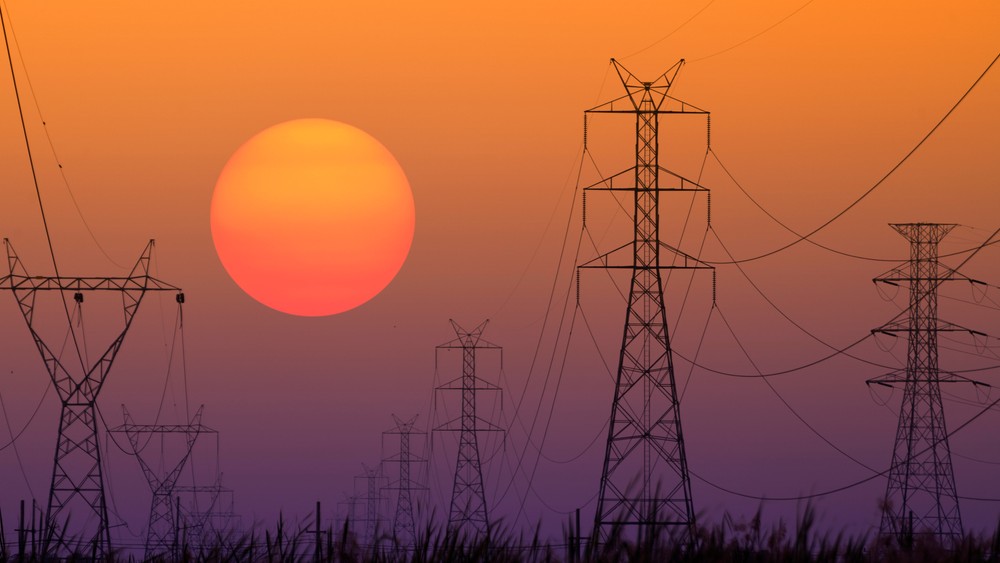
The Indian government is considering waiving transmission charges for solar and wind energy developers whose projects have been delayed due to insufficient transmission line capacity, according to a Reuters report citing the country's power regulator.
The proposed relief would apply only to projects whose developers have signed power sale contracts of at least seven years in duration by the end of this year. India had already begun phasing out interstate transmission charges for renewable energy generation projects in July of last year as part of broader efforts to accelerate wind and solar deployment.
Multiple solar, wind, and hybrid power generation projects have faced commissioning delays because the transmission infrastructure has not expanded quickly enough to carry their output. This grid constraint mirrors a challenge seen in other rapidly scaling renewable markets worldwide, where transmission buildout has consistently lagged behind generation capacity additions. The Indian Central Electricity Regulatory Commission will also consider extending the relief to battery storage projects, as New Delhi works to diversify its electricity mix away from coal and gas.
India has set a target of building 500 GW of non-hydrocarbon generation capacity by 2030, part of its broader climate commitments under international agreements and a response to surging electricity demand in the world's third-largest energy consumer. Solar currently accounts for 29% of the country's non-hydrocarbon generation capacity, with plans to expand from 162 GW at present to more than 292 GW by 2030. However, that target faces challenges from recent legislative changes aimed at reducing dependence on imported solar components from China. While India's domestic solar module manufacturing capacity is substantial at 200 GW, its solar cell manufacturing capacity stands at just 27 GW.
Despite these hurdles, solar power generation in India continues to grow rapidly, with a record 44 GW of new capacity added during financial year 2025/26. This expansion, however, has encountered obstacles including a shortage of transmission lines needed to connect new capacity to the grid.
Coal remains India's largest source of electricity, accounting for approximately 70% of total generation. That share is projected to fall below 50% by 2035 as wind and solar capacity continues to scale.
Source: OilPrice.com

