Indian Refiners See LPG Retail Losses Narrow Nearly Threefold in August
Key Takeaways
- •The revenue loss per household LPG cylinder for India's state-run refiners decreased from $5.25 in July to $1.97 in August, representing a nearly threefold improvement.
- •Approximately 90% of India's LPG imports normally transit through the Strait of Hormuz, which was disrupted by the Iran conflict, trapping supply in the Persian Gulf.
- •India has increased LPG imports from non-Hormuz-dependent sources such as the United States, though these alternatives carry higher costs and longer transit times.
- •The Indian government compensates fuel retailers for subsidized LPG losses, but payments arrive with delays and at below-market rates, forcing refiners to absorb interim shortfalls.
- •Around 60% of Indian households depend on LPG as their primary cooking fuel, prompting authorities to redirect supply from industrial users and accelerate city gas pipeline expansion.
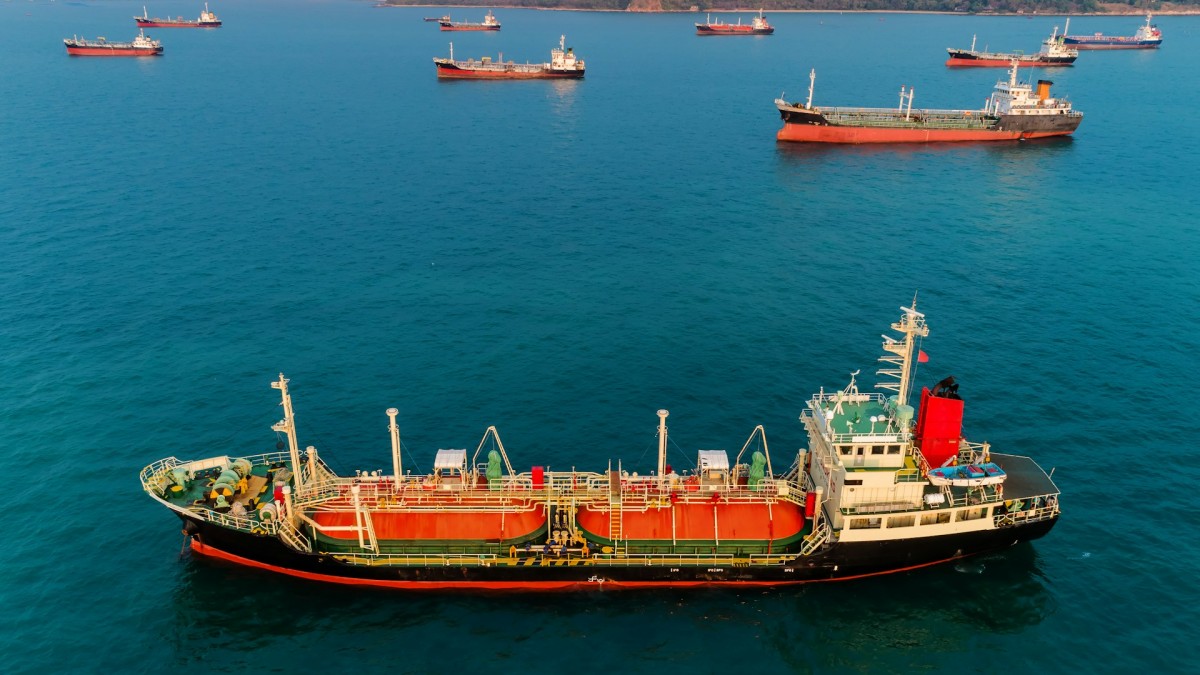
India's largest state-controlled refiners have seen their losses on retail sales of liquefied petroleum gas (LPG) narrow significantly in August compared to July, according to an official statement delivered to Parliament on Monday.
Indian Oil Corporation Ltd., Bharat Petroleum Corporation Limited (BPCL), and Hindustan Petroleum Corporation Limited (HPCL) — the three primary state-run retailers selling LPG on the domestic market — reported losses narrowing nearly threefold this month, India's junior oil minister Suresh Gopi said in a written reply to Parliament, carried by Reuters.
The revenue loss per household LPG cylinder, widely used as a cooking fuel across India, has dropped to $1.97 (188 Indian rupees), down from $5.25 (500 rupees) in July, the official said. The three retailers together supply the vast majority of India's domestic LPG, a market that expanded substantially after the 2016 launch of the Pradhan Mantri Ujjwala Yojana, which added tens of millions of subsidized household connections for low-income families.
The Indian government compensates fuel retailers for losses incurred on subsidized LPG sales to households. However, this compensation arrives with a delay and at below-market rates, leaving refiners to absorb a portion of the shortfall in the interim.
The narrowing of losses comes amid India's ongoing efforts to secure alternative LPG supply since the outbreak of the war in Iran and the closure of the Strait of Hormuz. A portion of India's LPG supply had been trapped in the Persian Gulf due to the disruption. India, the world's second-largest LPG consumer, has since increased imports of oil and LPG from sources that do not rely on the Strait of Hormuz, including the United States — now the world's largest LPG exporter — though these alternatives typically involve higher costs and significantly longer transit times compared with the shorter Persian Gulf–India shipping routes.
In April, the Indian government urged domestic refiners to boost production of liquefied petroleum gas — the country's primary cooking fuel — to address the supply crunch triggered by the Middle East conflict. Approximately 60% of Indian households depend on LPG as their main cooking fuel, and the blockage at the Strait of Hormuz, through which 90% of all Indian LPG imports normally pass, was felt immediately by consumers.
The disruption has led to sharp price increases and subsequent demand destruction. In response, the government has attempted to mitigate the crisis by redirecting LPG supply from industrial users to household consumers to ensure the continued availability of cooking fuel. Indian authorities are also accelerating the expansion of city gas pipeline networks to replace LPG cylinders where feasible.
By Charles Kennedy for Oilprice.com

