Red Sea Attack Sinks India-Flagged Cargo Vessel Off Yemen
Key Takeaways
- •The India-flagged tanker MSV Faize Noore Oliya sank in the Red Sea off Yemen after reportedly being struck by a projectile.
- •India’s foreign ministry condemned the attack and urged an end to threats against commercial shipping in regional waterways.
- •All crew members aboard the vessel, including 13 Indian nationals, were rescued by the Yemeni Coast Guard.
- •The Red Sea and Bab el-Mandeb have seen increased attacks on vessels amid Houthi threats against Saudi-linked shipments.
- •Analysts said shipping risks in the Gulf and Red Sea have reached the worst safety level since the Iran war began.
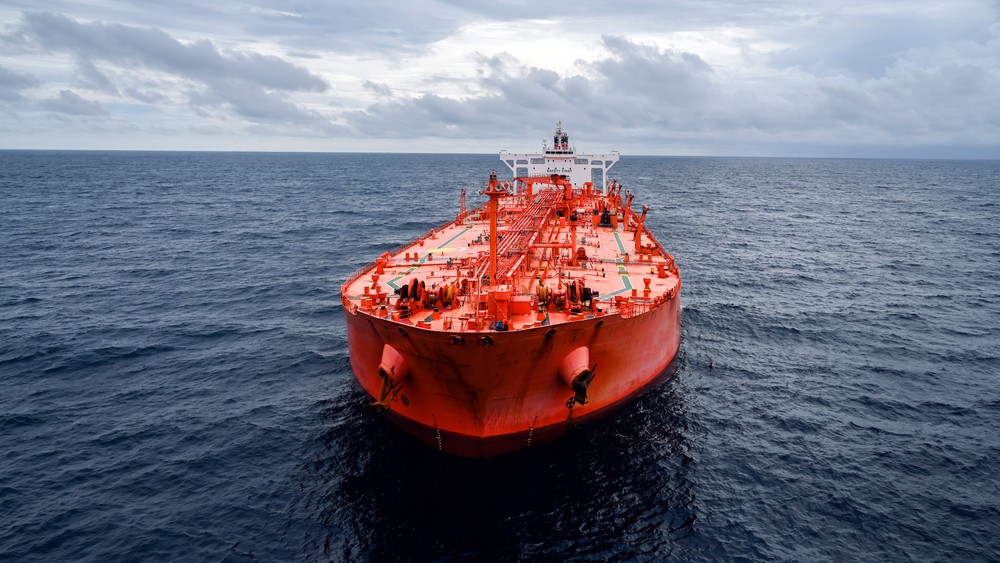
An India-flagged tanker reportedly carrying Saudi oil has sunk off the coast of Yemen in the Red Sea after being struck by a projectile, underscoring the wider security risks facing commercial shipping through one of the world’s busiest energy routes.
India’s Ministry of External Affairs on Tuesday condemned the attack on the India-flagged commercial vessel MSV Faize Noore Oliya, which sank in the Red Sea off Yemen on August 4, 2026.
Sarbananda Sonowal, India’s Minister of Ports, Shipping & Waterways, said the vessel was hit by a projectile near Yemeni waters.
All seafarers aboard the vessel, including 13 Indian nationals, were rescued by the Yemeni Coast Guard after the ship was hit, capsized, and sank.
"The continuing incidents of attacks on commercial shipping in the region are deeply worrisome," India’s foreign ministry said.
"The targeting of commercial shipping in the region must end, and free and unimpeded navigation and commerce through the international waterways in the region, in keeping with international law, must be restored at the earliest," it added.
The Red Sea and the Bab el-Mandeb chokepoint leading to the Arabian Sea have become a new theater for attacks on vessels after Iran-aligned Houthis threatened to disrupt Saudi-linked shipments in the Red Sea. While the Houthis have spared China- and Russia-linked vessels regardless of cargo, they have appeared to target Saudi-linked or Saudi-owned tankers.
The Houthi threat has not eased despite reports of U.S.-Iran talks, and more tankers carrying Saudi oil have appeared to transit the Bab el-Mandeb chokepoint in dark mode.
Since the Houthis announced plans to try to choke off Saudi shipments, Saudi Arabia has rerouted part of its exports northward to Egypt and the Suez Canal, while other vessels have increasingly gone dark while passing through the Bab el-Mandeb Strait to the south.
Meanwhile, traffic through the Strait of Hormuz remains subdued, with the trickle of vessel movements extending the period in which tanker owners are either using dark mode to transit the chokepoint, abandoning attempts to cross, or avoiding the route altogether.
Analysts at security and vessel-tracking firms told the BBC this week that the threats to shipping in the Gulf and the Red Sea have now reached the worst safety situation since the Iran war began.
By Tsvetana Paraskova for Oilprice.com

