Black Sea attacks choke grain, coal and iron ore trades
Key Takeaways
- •The Russian defence ministry said it hit three vessels in Mykolaiv and one ship off Odesa, and also claimed strikes on port infrastructure at Chornomorsk.
- •The ministry did not identify the vessels or provide independent evidence, and its claims could not be verified.
- •Turkey has urged Russia and Ukraine to safeguard navigation after attacks on Turkish-owned and Turkish-crewed ships.
- •BIMCO said dirty tanker loadings from Russian Black Sea and Sea of Azov ports fell 62% in the final two weeks of July.
- •Braemar said attacks on vessels and ports have nearly halted some Russian and Ukrainian coal, grain and iron ore movements and pushed war-risk premiums higher.
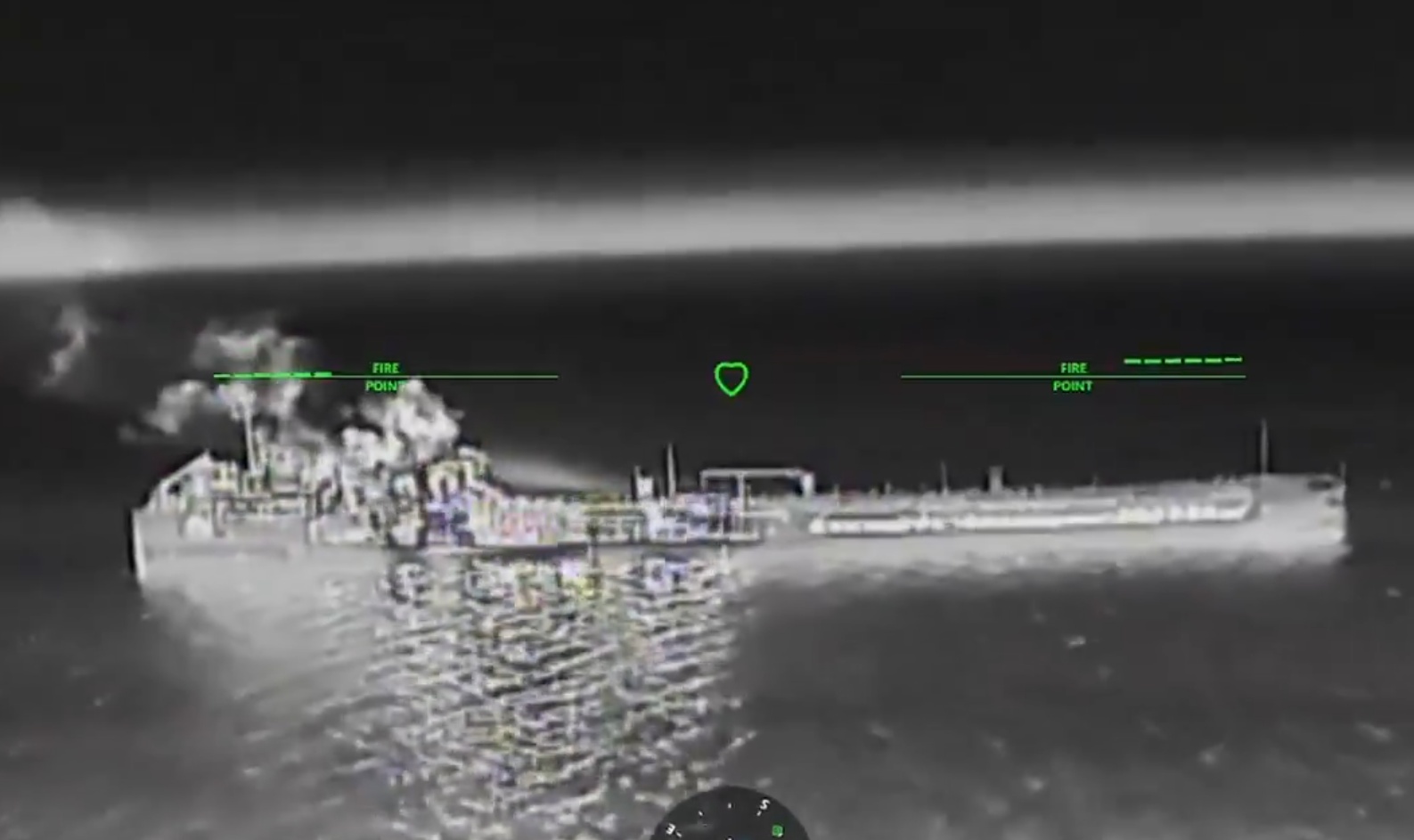
Russia has claimed strikes on four vessels and port infrastructure across Ukraine as the Black Sea has become the world’s most dangerous environment for commercial shipping, adding another layer of disruption to routes already central to grain, coal and iron ore trade.
The Russian defence ministry said its forces hit three vessels in the port of Mykolaiv and another ship at sea off Odesa on Tuesday, alleging all four were being used “in the interests of the Ukrainian military”.
Moscow also claimed attacks on a container terminal at Chornomorsk and a warehouse storing drones and drone components. Its assertions could not be independently verified, and the ministry did not identify the ships or provide details of casualties or damage.
The attacks come amid an increasingly indiscriminate maritime campaign in which vessels, ports and energy infrastructure on both sides have been struck by aerial, surface and subsea drones, forcing shipowners and traders to contend with a wider security risk across a region that handles major volumes of commodities bound for Europe, Turkey and Asia.
Turkey has urged Russia and Ukraine to protect freedom of navigation after a succession of attacks on Turkish-owned and Turkish-crewed ships. Ankara warned that the conflict’s spread across the Black Sea threatened merchant shipping and could have wider consequences for global food supplies.
Turkish maritime union Deniz İşçileri estimates that 35 ships were struck during July, killing 23 seafarers and injuring more than 40.
Security consultancy Palaemon Maritime said risks had “peaked again” as Russia and Ukraine launched large-scale, region-wide strikes.
“All commercial shipping is a target for subsea, surface and aerial drones, including in coastal areas,” the company warned.
Dirty tanker loadings from Russian Black Sea and Sea of Azov ports fell 62% in the final two weeks of July, averaging 0.98 million barrels per day, according to data from BIMCO.
Kazakh exports through the CPC terminal fell by the same proportion, while shipments to India dropped 66%. Aframax and suezmax volumes were similarly affected. BIMCO warned today that, if sustained, the disruption could cut global dirty tanker loadings by 3% in a market already down 5.6% year on year.
The escalation is also reshaping dry bulk trades that depend on reliable access to Black Sea terminals. Braemar said attacks on vessels and ports had brought some Russian and Ukrainian coal, grain and iron ore movements to a virtual halt while pushing war-risk premiums higher.
Russia could redirect more coal and grain through Baltic ports, increasing voyage distances and supporting panamax tonne-mile demand. Around 70% of Russian Black Sea coal is typically carried by panamaxes.
Turkey, which sources about 80% of its thermal coal imports from Russia, has already seen offered prices rise from below $100 per tonne in mid-July to around $135 per tonne.
Grain disruption may prove harder to resolve. Russia and Ukraine account for almost 30% of global wheat trade, while restrictions have been imposed at Russian terminals and capacity at Odesa has reportedly fallen by a third.
Ukrainian iron ore exports have also been hit, with miners halting shipments following vessel attacks. The loss of long-haul capesize cargoes to China comes as iron ore prices hover near 12-month lows.

