India's Bunker Fuel Demand Declines in July Amid Weather Disruptions and Supply Constraints
Key Takeaways
- •Adverse weather during the southwest monsoon season caused repeated bunker operation suspensions at India's west coast ports in July, with Gujarat region facilities most severely affected.
- •Marine fuel oil 0.5% delivered prices rose sharply month over month, with Kochi assessed at $913/mt, Mumbai at $870/mt, and Kandla at $878/mt as of August 6.
- •East coast ports including Chennai, Paradip, and New Mangalore reported stable to strong demand, with Paradip alone supplying nearly 11,000 mt of very low sulfur fuel oil during July.
- •An Indian refining major supplied approximately 20,000 mt of very low sulfur fuel oil in Kochi during July, representing a decline from the previous month.
- •High sulfur fuel oil demand is beginning to emerge at Paradip port as more scrubber-fitted vessels arrive, reflecting a global trend since the IMO 2020 sulfur cap regulation took effect.
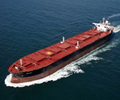
India's bunker fuel market experienced significant supply disruptions in July, as adverse weather conditions and barge availability constraints curtailed volumes at key west coast ports, while east coast facilities maintained relatively stable demand, according to market participants. India, which competes with regional bunkering hubs such as Singapore and Fujairah, typically sees port operations affected during the June–September southwest monsoon season, and July's disruptions underscored that seasonal vulnerability.
Demand remained subdued during the first half of July at major west coast ports including Kochi, Kandla, and Mumbai, where rough weather combined with limited product availability created supply bottlenecks.
"On the supply side, product availability was extremely tight along India's west coast, particularly in Mumbai and Cochin, where suppliers struggled to meet demand. Several pre-booked shipments were only partially fulfilled, while others were canceled altogether," a Delhi-based market expert told Platts, part of S&P Global Energy, on August 6.
Gujarat region ports experienced the most severe weather-related disruptions, with supplies interrupted multiple times throughout July. Rough weather that began July 3 forced the suspension of bunker operations at Kandla, Sikka, Vadinar, and Tuna Berth, with only brief resumptions of activity, a Gujarat-based trader said.
"Since July 3, we encountered rough weather conditions, but supplies resumed after July 16. Unfortunately, they were canceled again after about a week, and this situation has persisted until today," the trader said.
"The average stem size ranged from 300 to 400 metric tons. Due to weather issues, the total volume dropped to 35,000 metric tons, and the remaining volume was shifted to other ports. Compared to June, we saw fair demand for marine gas oil in July," the trader added.
"Marine gasoil demand in Mumbai was moderate in July, with average stem sizes around 150 metric tons, while high-sulfur fuel oil demand remained limited," a source close to HPCL told Platts on August 6.
Platts assessed marine fuel oil 0.5% delivered to Mumbai at $870/mt on August 6, up $180/mt month over month. Marine fuel oil 0.5% delivered to Kandla was assessed at $878/mt, up $160/mt over the same period. The sharp month-over-month increases reflected both the localized supply tightness and broader global marine fuel price movements during the period.
Barge Tightness and Supply Pressure on Kochi Market
The Kochi market experienced similar pressures from weather disruptions and barge availability issues.
"In July, we experienced weather disruptions that led to a decrease in volumes. There were a few challenges with barge availability and product positioning throughout the month. Additionally, we observed price fluctuations that impacted demand," said a source close to BPCL.
"Overall, an Indian refining major supplied close to 20,000 mt of very low sulfur fuel oil in Kochi during the month, which has decreased when compared to the previous month," the source added.
Platts assessed marine fuel oil 0.5% delivered to Kochi at $913/mt on August 6, up $183/mt month over month, while marine fuel oil 0.5% delivered to Colombo was assessed at $870/mt, up $145/mt over the same period.
East Coast Ports See Steady Demand
Ports along India's east coast experienced stable demand in July despite logistical issues, while Haldia and New Mangalore faced operational challenges. However, Chennai, Tuticorin, and Paradip saw strong demand with good volumes for the month, traders, suppliers, and barge operators told Platts on August 6.
"Demand at Paradip port has improved due to an increase in ship callings, with the average stem size ranging from 500 mt to 700 mt. We have observed strong demand for very low sulfur fuel oil in July, with nearly 11,000 mt supplied, while demand for marine gas oil has remained similar, averaging around 1,500 mt. We supplied this quantity to the dredgers at the port," a Paradip-based supplier said.
"We started supplying high sulfur fuel oil (HSFO) last month. We provided about 300 mt to a vessel and expect demand for HSFO to rise in the coming days as more scrubber-fitted vessels move," the supplier added. Demand for HSFO from scrubber-equipped vessels has grown globally since the International Maritime Organization's 2020 sulfur cap regulation, which restricted sulfur content in marine fuels to 0.5% unless exhaust gas cleaning systems, or scrubbers, are installed.
"In Haldia, demand remained stable throughout the month, but we faced some logistical issues with barge availability. The overall volume was around 6,000 mt to 7,000 mt, unchanged from the previous month," a Visakhapatnam-based supplier said.
"In Chennai, supply and demand remained stable; almost 14,000 mt of full volume was supplied, including both commercial and own vessels. But in Tuticorin, operational issues with the barges at the port have led to volume shifting to other ports," the supplier added.
"In New Mangalore, demand has been strong throughout the month, with most of it coming from tankers, LPG, and crude oil tankers; the port volume was around 7,000 mt to 8,000 mt," a local supplier said.
"On the east coast, including Visakhapatnam, product availability remained limited," a Delhi-based market expert told Platts on August 6.
Source: Platts

