UK Borrowing Costs Surge as Oil Shock Rattles Global Bond Markets
Key Takeaways
- •UK 10-year gilt yields rose to near 5.27 percent and longer-term yields to almost 5.89 percent, levels last seen around the financial crisis.
- •IMF Managing Director Kristalina Georgieva told the G20 that rising global interest rates are of particular concern and called for policy discipline and stronger buffers.
- •Bond yields also climbed in India, above seven percent, and Australia, at a 15-year high over 5.2 percent, indicating a global repricing of rate expectations.
- •Brent crude rose above $95 per barrel after the Iran war disrupted oil and gas supply, feeding inflation expectations and driving the bond sell-off.
- •Bloomberg economists forecast that UK Chancellor John Healey will lose £12bn of the £23.6bn fiscal headroom left by Rachel Reeves before his first Budget at the end of October.
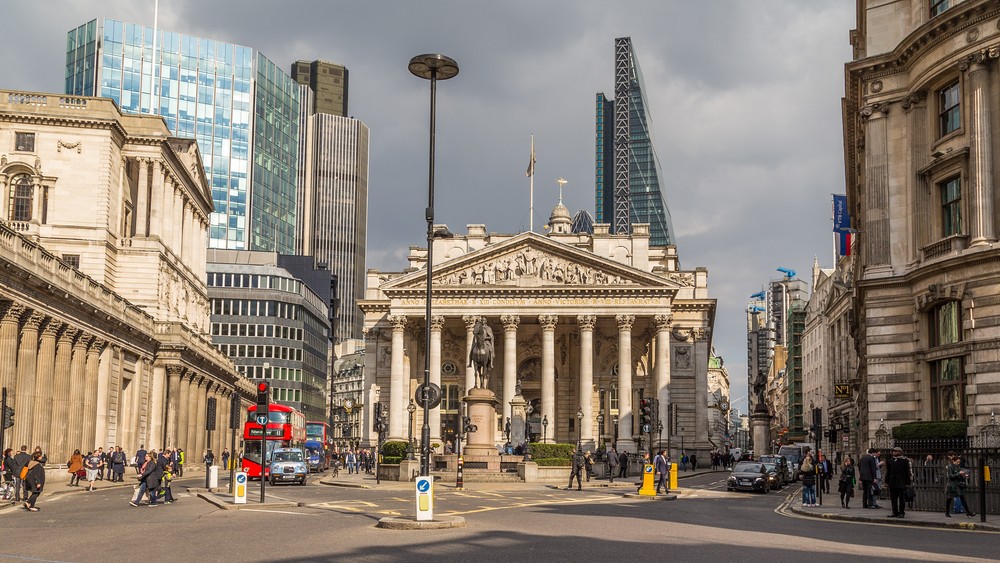
The global rise in borrowing costs is a "particular concern," the International Monetary Fund has said, as UK bond yields reach a level last seen during the financial crisis.
The yield on the 10-year UK gilt climbed four basis points on Wednesday morning to near 5.27 per cent, following the previous day's rally that saw yields spike by as much as 15 basis points. Longer-term gilt yields rose five basis points to almost 5.89 per cent, approaching highs reached on Tuesday. When yields rise, the price of existing bonds falls — meaning governments must offer higher returns to attract buyers at future debt auctions, raising the cost of servicing public debt over time.
Similar moves are taking place across the globe. India's 10-year bond yield topped seven per cent, while Australia's equivalent surged to a 15-year high of over 5.2 per cent. The breadth of the sell-off indicates markets are repricing interest rate expectations worldwide rather than reacting to country-specific fiscal concerns alone.
Kristalina Georgieva, managing director of the International Monetary Fund (IMF), sounded the alarm on the recent developments at the G20 meeting with top finance ministers and central bank governors in the US.
"The sovereign debt landscape for emerging and low-income countries has gradually improved in recent years, thanks to domestic policy efforts and international cooperation," she said. "But progress has been uneven, and persistent risks and uncertainty in the global economy, including spillovers from the significant increase in yields in advanced economies, call for policy discipline and underscore the importance of building buffers."
Georgieva added: "The increase in global interest rates is of particular concern."
UK in 'acute' position as borrowing costs spike
The sell-off has stemmed from soaring energy prices after oil and gas supply was disrupted following the Iran war. Brent crude, the international benchmark for oil prices, climbed above $95 per barrel on Wednesday, reaching its highest level in nearly six weeks. Higher oil prices feed through to consumer inflation, and bond investors typically demand higher yields when they expect inflation — or the policy rates used to fight it — to stay elevated.
In the UK, the bond sell-off has increased pressure on Chancellor John Healey, who is set to deliver his first Budget at the end of October. Economists at Bloomberg have forecast that Healey will see £12bn knocked off the £23.6bn in headroom left by former Chancellor Rachel Reeves in the 2025 Budget. Shrinking fiscal headroom matters because UK chancellors operate under self-imposed rules on borrowing and debt; when headroom narrows, they face harder choices between raising taxes, cutting spending, or borrowing more.
"Governments around the world are feeling the pressure from bond markets, but the situation is particularly acute for the UK, where Andy Burnham's grand promises about reforming the economy are about to meet the cold reality of high debt levels and rocketing borrowing costs," said Chris Beauchamp, chief market analyst at IG. "UK taxpayers face the likelihood of paying more for his grand ambitions, while also having to worry about a Bank of England rate hike that becomes more likely with each $1 on the price of oil."
Source: CityAM

