El Salvador Clears IMF Review, Unlocking $140 Million After Halting State Bitcoin Purchases
Key Takeaways
- •The $140 million disbursement is part of a roughly $1.4 billion, 40-month IMF Extended Fund Facility that began in February 2025.
- •El Salvador secured the funds by proving that its Bitcoin purchases after the program's first review were funded with private donations, not state money.
- •The staff-level agreement combines the second and third program reviews and still awaits IMF Executive Board approval before funds are transferred.
- •The IMF projects 4.5% real GDP growth for El Salvador in 2026 and expects the primary surplus to widen from 2.9% to 3.7% of GDP by 2027.
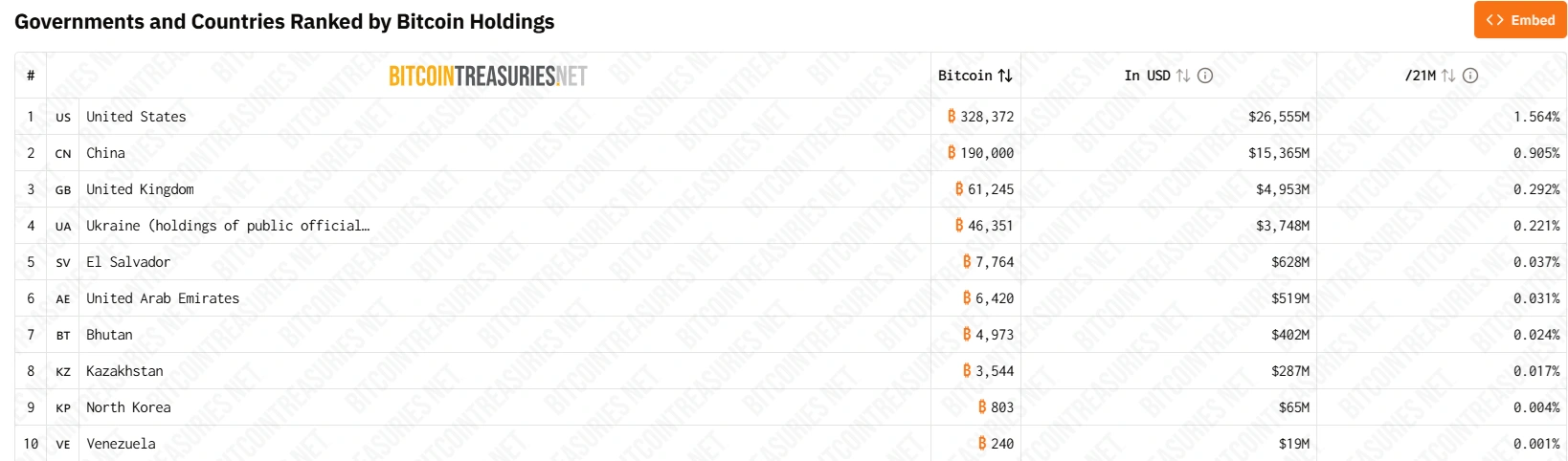
- •El Salvador holds roughly 7,764 BTC worth about $628 million, ranking fifth among government holders, while program austerity has been linked to an estimated 15,000 state job cuts since 2024.
The International Monetary Fund has reached an agreement with El Salvador that unlocks approximately $140 million in fresh funding, after the Salvadoran government demonstrated to the lender that its continued Bitcoin purchases were financed with private donations rather than state money.
Why the IMF questioned El Salvador's Bitcoin purchases
To secure access to the $140 million, El Salvador had to prove to the IMF that its Bitcoin acquisitions were funded through private donations and not public funds. The disbursement forms part of a total facility of roughly $1.4 billion — 360% of the country's IMF quota — that began in February 2025 (IMF press release).
Following the confirmation, the IMF and El Salvador reached a staff-level agreement combining the second and third reviews of the country's 40-month loan program. The deal still requires approval from the IMF Executive Board, a step that typically follows within weeks of a staff-level agreement and precedes the actual transfer of funds.
Documents handed over by Salvadoran authorities confirmed that coins added to the country's reserves after the program's first review came from donors. In its statement, the IMF said it expects no further accumulation beyond what has already been documented (IMF country report).
The IMF projects 4.5% real GDP growth for El Salvador in 2026, driven by investment, remittances, tourism, and consumer spending. The public sector's primary surplus is set to widen from 2.9% of GDP to 3.7% by 2027. For a country that has historically carried one of the highest debt burdens in Latin America, the program is a central pillar of efforts to restore access to international capital markets.
The austerity attached to the program carries social costs, however. Around 30% of Salvadorans still live in poverty. Economists estimate that roughly 15,000 state workers have been laid off since 2024 under the program's austerity terms, while labor unions put total job losses at 47,000 since President Nayib Bukele took office in 2019.
According to El Salvador's National Bitcoin Office tracker, the country holds roughly 7,764 BTC (BitcoinTreasuries). At about $80,900 per coin, the total value of its holdings stands at $628 million, placing the country fifth among government holders of Bitcoin, behind others including China, the United Kingdom, and Ukraine.
Will El Salvador continue to accumulate Bitcoin?
El Salvador became the first country to adopt Bitcoin as legal tender in September 2021. President Nayib Bukele promoted the move as a way to modernize the economy and reach unbanked citizens, but the country's relationship with the IMF has been contentious ever since (Cryptopolitan). The funding dispute has since become a test case for how international financial institutions treat sovereign cryptocurrency holdings.
Under the December 2024 agreement, El Salvador consented to limit public-sector Bitcoin activity, make private acceptance of the cryptocurrency voluntary, and unwind government control of the Chivo wallet.
The IMF went further in March 2025, banning "voluntary accumulation" by the public sector. Bukele insisted the buying would not stop and that the country would keep adding at least one BTC per day, but Cryptopolitan reported in September of that year that government-owned Bitcoin had not grown at all (Cryptopolitan).
IMF communications officer Meera Louis said the gains observed in the reserve fund resulted from coins moving between state wallets rather than new purchases.
When El Salvador announced in November 2025 that it had bought 1,090 BTC worth $100 million, questions arose over whether the country was complying with the IMF's rules. How the lender treats any future purchases — and whether the donation-funding mechanism continues to satisfy program conditions — will shape the remaining reviews under the 40-month arrangement.
Notably, a private company now holds majority ownership of the Chivo wallet and manages its day-to-day operations, while the government retains a small ownership share and remains responsible for safeguarding customer funds.

