IMF Reaches Staff-Level Agreement with El Salvador; No Further Public Bitcoin Accumulation Expected
Key Takeaways
- •IMF staff verified that Bitcoin accumulated since the first review came from private donations, with no public resources used, and no further accumulation beyond documented donations is expected.
- •The staff-level agreement covers the second and third reviews of the 40-month Extended Fund Facility and still requires IMF Executive Board approval plus completion of prior actions.
- •If the review is approved, El Salvador would receive approximately $140 million under the arrangement.
- •Public participation in the Chivo e-wallet has been substantially unwound, with majority ownership and operational control transferred to a private operator while the government retains a minority stake and custodial duties.
- •The agreement includes understandings to modernize the legal, regulatory, and supervisory framework for digital assets and strengthen governance and risk management for public-sector crypto holdings.
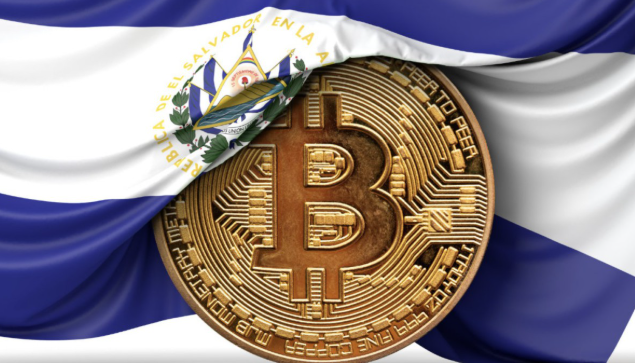
The International Monetary Fund has reached a staff-level agreement with El Salvadoran authorities that confirms no further public-sector Bitcoin accumulation is expected beyond already documented private donations, according to Cointelegraph. The development reinforces restrictions on government involvement in Bitcoin under El Salvador's IMF-supported economic program.
IMF Confirms Bitcoin Accumulation Came From Private Donations
On September 3, the IMF said its staff and Salvadoran authorities had reached a staff-level agreement covering the combined second and third reviews of the 40-month Extended Fund Facility arrangement. The agreement remains subject to approval by the IMF Executive Board and the completion of agreed prior actions.
As part of the review, documentation provided to IMF staff verified that Bitcoin accumulated since the first review reflected private donations and that no public resources were used for the accumulation. The IMF stated that no further Bitcoin accumulation beyond the documented donations is expected going forward.
The clarification is significant because the IMF's program has placed limits on voluntary Bitcoin accumulation by El Salvador's public sector. Earlier program documents established a continuous performance criterion restricting such accumulation while requiring greater transparency around government-controlled Bitcoin holdings.
El Salvador's Bitcoin Policy Under the IMF Program
The latest review also addresses the government's broader involvement in Bitcoin-related activities. The IMF said public participation in El Salvador's Chivo e-wallet has been substantially unwound, with majority ownership and operational control transferred to a private operator. The government has retained a minority stake along with custodial responsibilities for customer assets.
The unwinding of Chivo marks a further step away from the state-led model El Salvador adopted in 2021, when it became the first country to make Bitcoin legal tender and launched the state-backed wallet as a flagship feature of that policy. In January 2025, as part of the IMF program negotiations, El Salvador's legislature approved reforms removing Bitcoin's status as legal tender, scaling back the original framework while keeping the cryptocurrency accepted as an optional means of payment.
The IMF also said efforts are continuing to improve transparency around Bitcoin holdings across various wallets. The latest agreement includes understandings on modernizing the legal, regulatory, and supervisory framework for digital assets, together with strengthening governance and risk-management arrangements for public-sector crypto-asset holdings.
These restrictions form part of the broader IMF program approved in February 2025. The 40-month facility was designed to support El Salvador's economic reforms while addressing fiscal, financial, and Bitcoin-related risks.
IMF Review Still Requires Board Approval
The staff-level agreement does not constitute final approval of the latest review. The IMF said the agreement must still be considered by its Executive Board after the required prior actions are completed. If approved, El Salvador would receive around $140 million under the arrangement.
Regarding the Bitcoin component of the program, the immediate issue is the continuation of the no-further-accumulation framework, with the IMF explicitly stating that future accumulation beyond the documented private donations is not expected. The upcoming Executive Board decision and the implementation of the agreed digital-asset reforms will indicate how the balance between El Salvador's Bitcoin policy and its IMF commitments continues to evolve over the remaining life of the program.
