ICJ Judges Seek Advice on Shielding Assets From Trump Sanctions Ahead of Myanmar Genocide Ruling
Key Takeaways
- •ICJ judges have sought advice on protecting their assets from possible U.S. sanctions ahead of Thursday's ruling on whether Myanmar committed genocide against the Rohingya minority.
- •The Gambia brought the Myanmar case in 2019 under the 1948 Genocide Convention, and the court confirmed its jurisdiction to hear it in 2022.
- •The United States and Israel fear that a ruling against Myanmar could establish a lower threshold for proving genocidal intent that could later be applied in South Africa's genocide case against Israel.
- •UN Ambassador Mike Waltz has singled out ad hoc judge Navi Pillay for accusations of bias, and a think tank viewed as close to the White House predicts U.S. sanctions on the ICJ if genocide is found.
- •The ICJ has never held a state responsible for genocide, and United Nations estimates indicate more than 700,000 Rohingya fled to Bangladesh during Myanmar's 2017 campaign, which the government says was counterinsurgency operations.
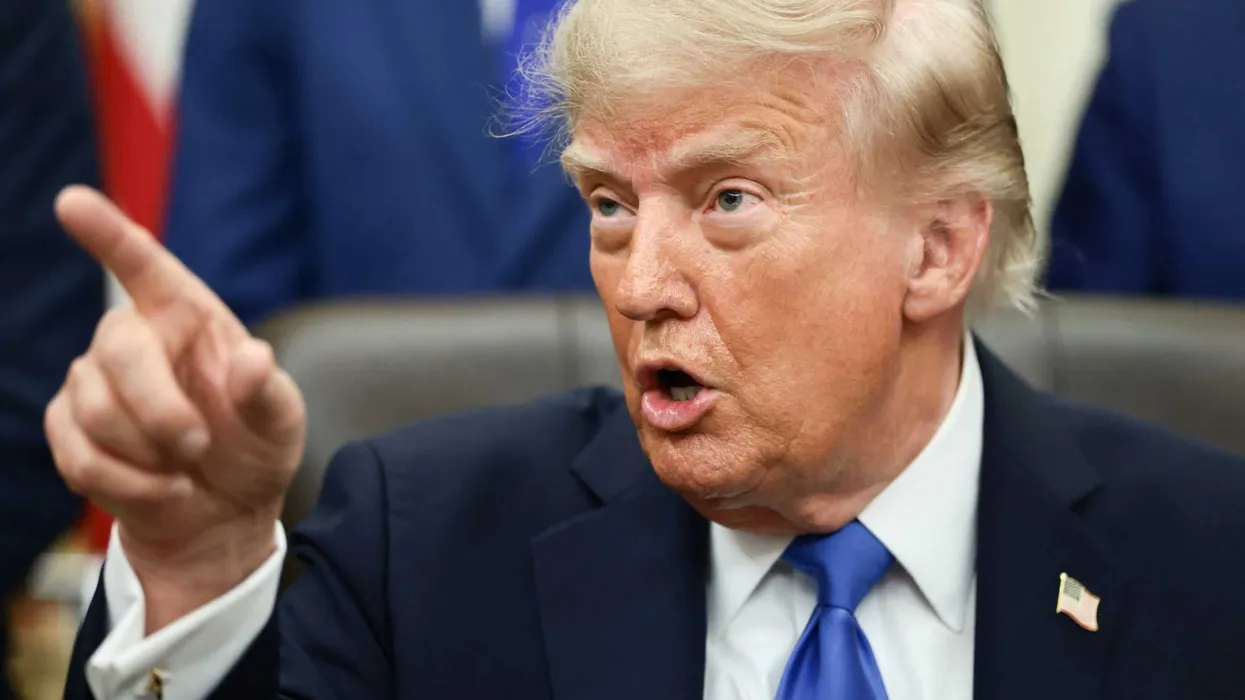
Judges at the International Court of Justice (ICJ) have sought advice on how to protect their assets from potential U.S. sanctions under President Donald Trump, ahead of a ruling due Thursday on whether Myanmar committed genocide against the country's Rohingya minority.
The underlying anxiety, however, centers on Gaza. The United States and Israel are concerned that a ruling against Myanmar could establish a clearer standard for proving a government's genocidal intent — a standard the court could later apply against Israel, which also faces a genocide case at the ICJ, filed by South Africa in December 2023.
The Myanmar case was brought in 2019 by The Gambia under the 1948 Genocide Convention, which allows any of its signatories to sue another state over alleged violations — the legal basis for a West African country with no direct connection to the alleged crimes to pursue the claim. The court affirmed in 2022 that it had jurisdiction to hear the case, clearing the way for Thursday's ruling on the merits. Under the court's rules, a party to a case may also appoint an ad hoc judge when none of its nationality sits on the bench.
Trump's UN ambassador, Mike Waltz, has warned that the U.S. “will not allow globalist, faux judges to weaponize the law against our troops.” According to The Guardian, he has specifically targeted South African jurist Navi Pillay — this year's Nobel Peace Prize laureate — who sits on the case as The Gambia's ad hoc pick but is obliged to decide impartially. Last month, Waltz accused her of “tipping the scales” to make genocide easier to prove, so that the lower threshold could later be turned against U.S. and allied troops.
“We see your agenda and we'll be watching the ICJ's handling of these proceedings very closely,” he said in a message directed at Pillay.
At least one think tank viewed as close to the White House, the Foundation for Defense of Democracies, has predicted that the U.S. will impose sanctions on the court if the ICJ finds genocide. Secretary of State Marco Rubio set the tone with a speech last Friday in which he accused a “global elite” of using international law to advance its own interests.
The Trump administration has a track record on this front. It has already imposed sanctions on judges at the International Criminal Court (ICC) over the court's arrest warrant for Israeli Prime Minister Benjamin Netanyahu, and it has announced sanctions against the ICC itself, calling it a “rogue court.” Rubio has given the ICC until April to respond to his concerns before those sanctions take effect.
Imposing U.S. sanctions on the ICJ — the United Nations' top court for disputes between countries, often called the World Court, rather than a criminal court for individuals — would be uncharted territory. The court's 15 judges are elected to nine-year terms by the UN General Assembly and the Security Council.
The ICJ has never found a state responsible for genocide, largely because intent is so difficult to prove — and its judgments are final and binding on the parties, with no avenue of appeal. Lawyers for survivors argue that the army's 2016 and 2017 campaigns in Rakhine state, during which troops killed civilians attempting to flee, demonstrate that the military intended to destroy the Rohingya as a group. More than 700,000 Rohingya fled to neighboring Bangladesh during the 2017 campaign, according to United Nations estimates. Myanmar denies genocide, saying it was fighting insurgents.
The U.S. hostility marks a sharp reversal from 2022, when then-Secretary of State Antony Blinken formally accused Myanmar's military of committing genocide.
The ICC, for its part, may have bought itself time. Last Friday, it closed its long-running investigation into possible abuses by U.S. troops and intelligence agents in Afghanistan — a step that could reduce Washington's appetite to sanction it. With Thursday's ruling, any U.S. reaction to it, and the April deadline Rubio has set for the ICC all falling within months of one another, the coming weeks will show how far the administration's threats translate into action.

