Federal Judge Sides With Texas Gov. Abbott in Extradition Fight Over ICE Agent Christian Castro
Key Takeaways
- •U.S. District Judge Fernando Rodriguez Jr. ruled Wednesday that Minnesota had not proven Governor Greg Abbott acted improperly by declining to act on the state's extradition request for ICE agent Christian Castro.
- •Castro was charged in May with four counts of assault and one count of falsely reporting a crime stemming from a January 14 shooting in Minneapolis that wounded Julio C. Sosa-Celis.
- •Federal prosecutors dropped charges against Sosa-Celis and his roommate in February after video evidence suggested Castro had likely lied about acting in self-defense.
- •Texas law caps holds on extradition warrants at 90 days, meaning Castro could be released as early as Thursday even though the criminal charges in Minnesota remain pending.
- •Minnesota's lawsuit cites monitored jailhouse conversations in which Castro discussed plans to marry a woman in Mexico and buy a house there after his release.
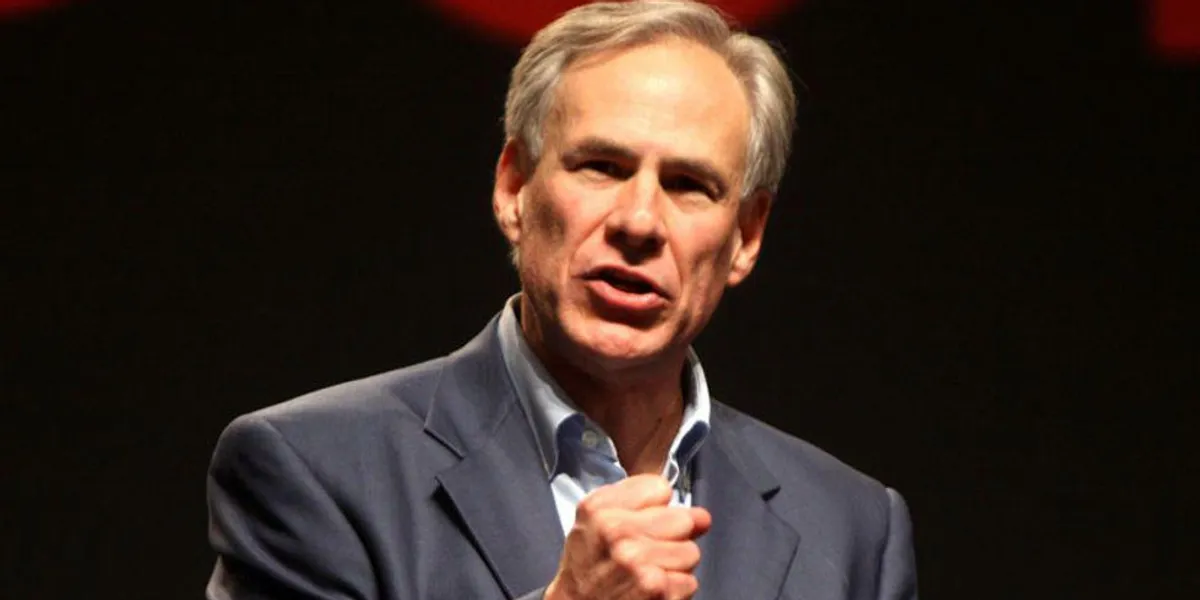
An Immigration and Customs Enforcement agent facing felony assault charges for shooting a Venezuelan immigrant through a duplex door could be released from Texas custody as soon as Thursday, after a federal judge sided with Texas Gov. Greg Abbott over Minnesota in an unusual interstate legal fight.
U.S. District Judge Fernando Rodriguez Jr., a Trump appointee, ruled Wednesday that Minnesota had not proven Abbott acted improperly by refusing to act on the state's extradition request for agent Christian Castro, according to The New York Times. Under Texas law, defendants can be held on extradition warrants for only 90 days — a window that was closing just as the ruling came down. The decision addressed only the interstate standoff; the criminal charges Castro faces in Minnesota remain pending regardless of when he walks out of a Texas jail.
Castro was charged in May with four counts of assault and one count of falsely reporting a crime, stemming from a January 14 shooting in Minneapolis in which he fired through the front door of a duplex and wounded Julio C. Sosa-Celis.
The Department of Homeland Security initially claimed Castro fired in self-defense after being attacked with a broom and a shovel. Federal prosecutors, however, dropped the related charges against Sosa-Celis and his roommate in February after video evidence suggested Castro had likely lied about what happened.
Minnesota Gov. Tim Walz, a Democrat who was his party's 2024 vice-presidential nominee, sent Abbott a routine extradition request soon after Castro's arrest, but Abbott, a Republican who has built his political profile around hard-line border and immigration enforcement, has refused to sign off. His office says it is still reviewing whether Castro legally qualifies as a "fugitive," since he left Minnesota at his employer's direction before facing charges.
That question goes to the core of a constitutional mechanism that normally operates with little friction. The Constitution's Extradition Clause requires states to deliver up any person "charged in any State with Treason, Felony, or other Crime, who shall flee from Justice," and the federal Extradition Act that implements it has generally been treated as making a governor's role largely routine, with open refusals exceedingly rare. The Supreme Court held in Puerto Rico v. Branstadt in 1987 — overturning an 1861 ruling that had placed governors beyond federal courts' reach — that judges can compel governors to honor extradition demands, the legal foundation for Minnesota's lawsuit against a fellow governor.
Attorneys for Minnesota pushed back sharply. "Governor Abbott's position, if accepted, would mean that any time a person committed a crime in one state and then left the state because of a job transfer... they could never be extradited to face prosecution," they wrote.
Minnesota officials say the stakes are urgent: according to their lawsuit, monitored jailhouse conversations show Castro discussing plans to marry a woman in Mexico and buy a house there once released.
Legal experts called the entire dispute "extraordinarily unusual," warning it may signal a new front in interstate legal warfare fueled by clashing politics over immigration enforcement.

