ICBA CEO Rebeca Romero Rainey Demands Full Closure of Stablecoin 'Loophole' in CLARITY Act
Key Takeaways
- •ICBA CEO Rebeca Romero Rainey called for the stablecoin loophole in the CLARITY Act to be closed entirely, rejecting any middle-ground compromise.
- •The CLARITY Act is proposed legislation intended to establish a regulatory framework for digital assets in the United States.
- •Community banks are focused on stablecoin rules because stablecoins perform functions that overlap with traditional banking activities.
- •The specific legislative language Rainey considers a loophole was not detailed in her reported comments.
- •The CLARITY Act has not been finalized, and the comments reflect an industry position expressed during ongoing legislative debate.
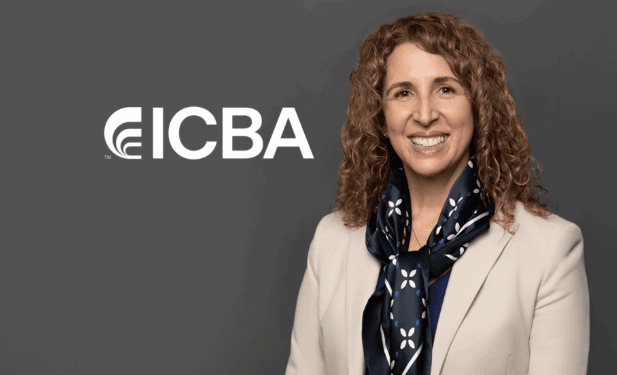
Independent Community Bankers of America (ICBA) CEO Rebeca Romero Rainey has called for the complete closure of a stablecoin "loophole" in the CLARITY Act, arguing there is "not a middle ground in terms of resolution," according to information shared by @CoinMarketCap on X.
Rainey's comments place stablecoins at the center of an ongoing debate over how digital assets should be regulated in the United States and how proposed legislation could affect the relationship between cryptocurrency issuers and traditional financial institutions.
The CLARITY Act is intended to establish a regulatory framework for digital assets in the United States. Rainey's concerns focus specifically on provisions she believes could leave an opening for stablecoin-related activities that community banks and their industry representatives oppose.
Rebeca Romero Rainey Raises Concerns Over Stablecoin Rules
Rainey, who leads the ICBA, said the stablecoin loophole in the CLARITY Act "has to be closed entirely." She also argued there was "not a middle ground in terms of resolution," signaling a firm stance on how the issue should be addressed.
The comments, as reported by @CoinMarketCap, did not provide additional details about the specific legislative language Rainey considers a loophole. Her remarks nevertheless highlight concerns from the community banking sector over the treatment of stablecoins within a broader digital asset regulatory framework.
Stablecoins are cryptocurrencies designed to maintain a stable value, often by referencing a traditional currency or other assets. Their use has expanded across cryptocurrency markets, where they are commonly used for trading, payments, and transferring value.
CLARITY Act Draws Attention From Banking Industry
The CLARITY Act has become part of broader efforts to establish clearer rules for digital assets in the United States. For traditional financial institutions, digital asset legislation carries implications for competition, payments, deposits, and the types of services that banks and non-bank companies are permitted to provide.
Community banks have a particular interest in how stablecoin regulations are structured, because stablecoins can perform functions that overlap with certain traditional financial activities. The regulatory treatment of those products could therefore influence how financial services develop across banks and digital asset companies.
Rainey's comments indicate that the ICBA is seeking changes to the legislation rather than accepting what it views as an unresolved gap in the proposed rules.
Stablecoins Remain a Key Regulatory Issue
Stablecoin regulation has become an important component of the broader debate over cryptocurrency legislation, with policymakers and financial industry participants considering questions surrounding issuance, reserves, consumer protection, and oversight.
Rainey's concerns center on what she characterizes as a loophole in the CLARITY Act. Her position is that the provision should be eliminated completely rather than addressed through a compromise. Her statement that there is "not a middle ground in terms of resolution" underscores the significance the banking group places on the issue.
The comments do not indicate that the CLARITY Act has been finalized or that the alleged loophole has been resolved. Instead, they reflect an industry position expressed during the legislative debate.
Community Banks Seek Clarity in Digital Asset Regulation
The ICBA represents community banks, making its position relevant to discussions about how digital asset companies and traditional financial institutions will operate under future U.S. rules.
As lawmakers continue to consider cryptocurrency legislation, the treatment of stablecoins is likely to remain an important area of discussion. The issue involves not only digital asset markets but also questions of financial competition and the regulatory boundaries between banks and non-bank entities.
According to information shared by @CoinMarketCap, Rainey maintains that the stablecoin provision she identifies in the CLARITY Act must be closed entirely and that there is no middle-ground solution. Her comments add a perspective from the traditional banking sector to the broader debate over the future regulatory framework for digital assets in the United States.
Source: Hokanews
