IAEA Launches ATLAS Initiative to Return Nuclear Power to Civilian Shipping
Key Takeaways
- •ATLAS is the first coordinated international effort to connect the nuclear and maritime sectors for civilian shipping applications.
- •Around 600 participants from more than 50 countries attended the initiative’s launch in Washington.
- •Twenty-five countries signed a joint statement supporting the effort and describing it as an initial step toward civil nuclear maritime use.
- •The IAEA plans to create six expert project groups to develop an integrated international framework covering regulation, liability, port acceptance, safeguards and security.
- •The agency says some nuclear maritime technologies could be ready for deployment in the 2030s.
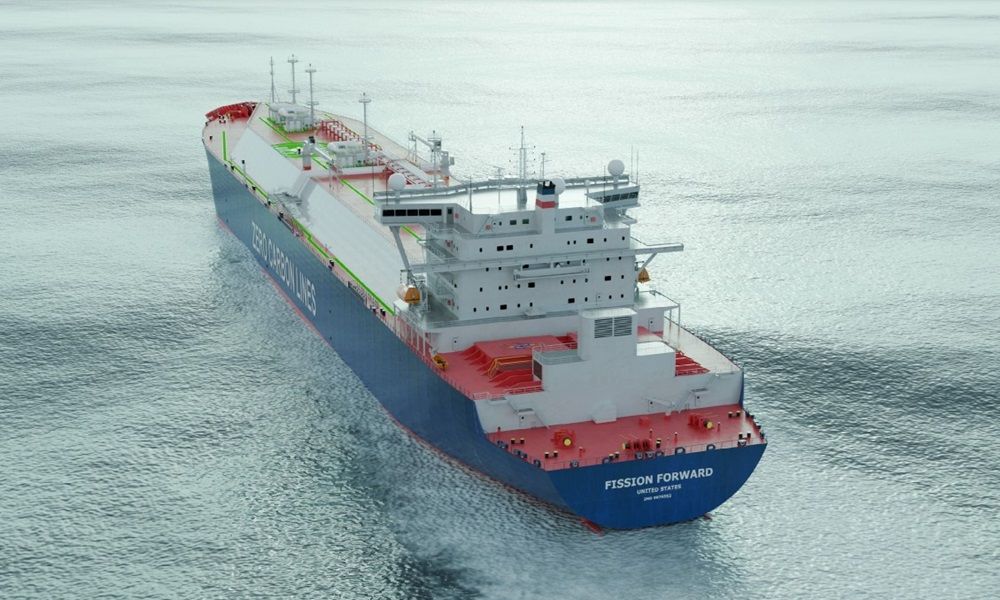
The International Atomic Energy Agency (IAEA) has launched a global initiative to build the regulatory and safety framework required to bring nuclear power back to civilian shipping.
The initiative, ATLAS — Atomic Technologies Licensed for Applications at Sea — was unveiled in Washington on Wednesday, bringing together around 600 participants from more than 50 countries, spanning governments, regulators, shipowners, ports and the nuclear industry.
ATLAS marks the first coordinated international attempt to bridge the nuclear and maritime sectors, as interest grows in nuclear-powered merchant ships and floating nuclear power plants. That matters because any commercial use of nuclear propulsion at sea depends less on reactor concepts alone than on whether states, ports and insurers can align on common rules for safety, liability, safeguards and security across different jurisdictions.
IAEA director general Rafael Mariano Grossi said: "By bringing together the nuclear and maritime sectors, we have the opportunity to shape the future of two crucial industries — energy and shipping."
Twenty-five countries signed a joint statement backing the initiative, describing it as a first step towards revolutionising civil nuclear maritime applications.
According to the IAEA, small modular reactors and other advanced designs offer extremely high energy density and potentially years of operation between refuelling. The agency believes some nuclear maritime concepts could be ready for deployment in the 2030s.
The more difficult questions concern regulation, insurance, liability, port acceptance, safeguards, security, crewing and the treatment of nuclear vessels as they move between jurisdictions. To address these issues, ATLAS will establish six expert project groups and work towards an integrated international framework.
The launch comes amid a revival of interest in maritime nuclear power. Splash reported last week that the Port of Corpus Christi had joined the US government's maritime nuclear programme, signing an agreement with the US Maritime Administration (MARAD) to examine small modular reactor applications and the infrastructure needed to support them. This week, MARAD teamed up with CORE POWER in an agreement to accelerate a US-flagged fleet of nuclear-powered merchant ships. Next week, Splash understands Maersk will announce a new initiative with the ports of Felixstowe and Charleston exploring the development of a transatlantic nuclear corridor.

