Hyundai Motor Union Members Approve 2026 Wage Deal After Strikes
Key Takeaways
- •Hyundai's union ratified the wage agreement with 61.55% support among 31,166 voting members.
- •The deal raises monthly base pay by 100,000 won ($73) and provides performance bonuses of 400% of monthly wages plus a 12.7 million won cash payment.
- •Hyundai and the union agreed in principle to extend the retirement age from 60 to 65, subject to changes in related laws and regulations.
- •Strikes during the dispute caused roughly 120 hours of production disruption, including the union's first full-day walkout in a decade on Aug. 21.
- •Industry sources estimate the strikes cost about 55,200 vehicles in lost production and over 2.3 trillion won in lost sales.
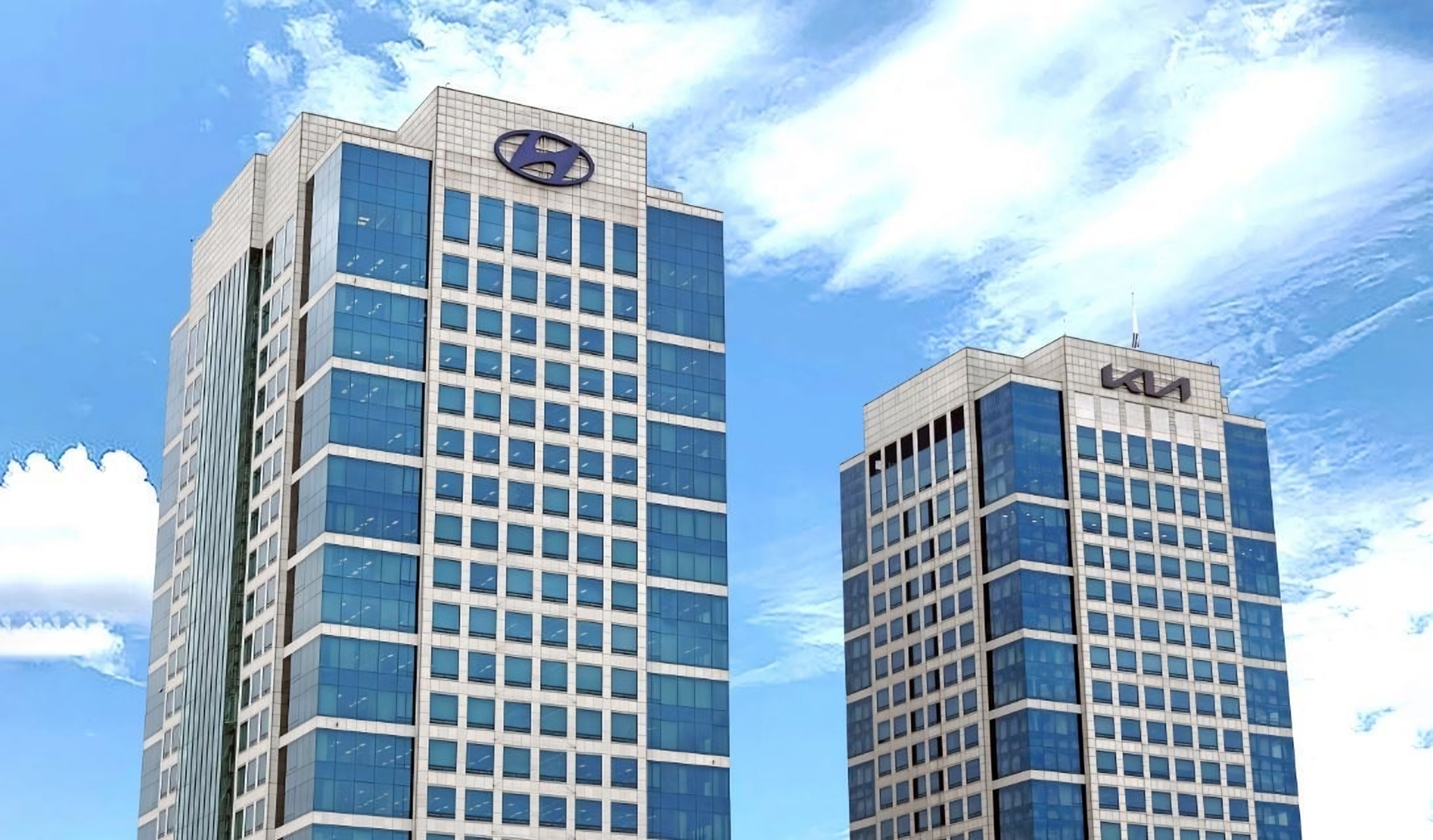
ULSAN — Unionized workers at Hyundai Motor Co., South Korea's largest automaker, have voted to ratify this year's wage agreement, which includes a 100,000 won ($73) increase in monthly base pay, the union announced Tuesday.
The deal was approved in a vote held Monday, with 61.55 percent of 31,166 union members who cast ballots supporting the agreement negotiated between the labor union and the company, the union said. The relatively narrow margin reflects the tension that shaped this year's talks, which were among the most contentious in recent years.
Under the terms reached earlier, workers will also receive performance bonuses equal to 400 percent of their monthly wages, along with an additional cash payment of 12.7 million won.
In addition, the two sides agreed in principle to extend the retirement age from the current 60 to 65, contingent on the revision of related laws and regulations. The retirement-age issue has become a growing point of negotiation across South Korean industry as the workforce ages and mandatory retirement rules draw renewed debate.
The agreement follows a period of labor unrest. The union staged multiple strikes that caused roughly 120 hours of production disruptions, including a full-day walkout on Aug. 21 — the union's first such strike in a decade.
According to industry sources, the strikes are estimated to have resulted in cumulative production losses of around 55,200 vehicles, with lost sales exceeding 2.3 trillion won. The deal restores labor stability at Hyundai's domestic plants as the automaker ramps up production of electric vehicles, a segment where competition has intensified and consistent output has become increasingly important.
With the wage dispute settled, attention now turns to whether the promised legislative changes needed to implement the retirement-age extension materialize, and how next year's negotiations unfold after a round that saw the union's most aggressive tactics in a decade.

