Hyundai Motor Union Launches Fourth Round of Partial Strikes as Wage Talks Remain Stalled
Key Takeaways
- •Hyundai Motor's union initiated a fourth round of partial strikes with walkouts escalating from four to six hours per shift over several days.
- •The previous three strike rounds resulted in production losses of 42,510 vehicles and cost each worker approximately 1.92 million won in lost wages.
- •Formal wage negotiations between Hyundai and the union have remained stalled since July 8, with only informal contacts yielding little progress.
- •The union rejected Hyundai's proposed compensation package and is demanding a larger base-pay increase plus a performance bonus tied to 30 percent of 2025 net profit.
- •Key unresolved disputes include the reinstatement of dismissed workers and an extension of the retirement age, with further strikes possible beyond next Tuesday.
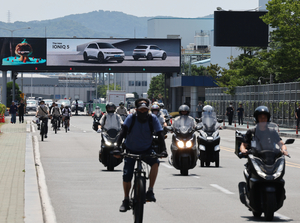
Hyundai Motor's labor union escalated pressure on the automaker on Wednesday by initiating a fourth round of partial strikes, intensifying concerns that prolonged labor disruptions could hamper the company's bid to reinvigorate domestic sales with new models in the second half of the year.
The Hyundai Motor branch of the Korea Metal Workers' Union commenced four days of walkouts on Wednesday, with industrial action scheduled to continue through the following Tuesday. This follows three earlier rounds of partial strikes.
Workers on each shift are striking for four hours on Wednesday and Thursday, with walkouts extending to six hours per shift on Friday and the following Monday. The latest measures represent an escalation from the union's July 29–31 walkouts, during which workers halted operations for four hours per shift each day.
The strikes are imposing growing financial costs on both the automaker and its workforce. According to industry sources, Hyundai Motor estimated that the previous three rounds of partial strikes — totaling 60 hours — resulted in production losses of 42,510 vehicles. The company also calculated that each worker lost approximately 1.92 million won ($1,330) in wages under its "no work, no pay" principle.
The production losses come at a sensitive time for South Korea's largest automaker, which has been ramping up its electric vehicle lineup and preparing fresh model launches to maintain momentum in an increasingly competitive global auto market. Hyundai's domestic operations serve as a critical production base, and extended work stoppages could complicate delivery schedules for key models both at home and in export markets.
Extended disruptions could further erode employee compensation if production setbacks, delayed investments, and weakened business performance affect future wage increases and bonus payouts, observers noted.
Additional industrial action beyond Tuesday also remains a possibility if management and the union fail to bridge their differences. The two sides remain at odds over key issues, including the reinstatement of dismissed workers and an extension of the retirement age.
Hyundai and the union have not conducted formal wage negotiations for more than a month, dating back to their 15th round of talks on July 8. Informal contacts have continued, but little progress has been achieved.
At the July meeting, the company proposed an 89,000-won increase in monthly base pay, a performance bonus equal to 350 percent of monthly base pay, 10 million won in cash, and 15 Hyundai Motor shares per employee. The union rejected the offer and is instead demanding a 149,600-won monthly base-pay increase — excluding regular seniority-based raises — along with a performance bonus equivalent to 30 percent of the company's 2025 net profit.

