Hyundai and Kia Electric Vehicle Sales Surge 41.8% in Europe Amid Growing EV Demand
Key Takeaways
- •Hyundai and Kia collectively sold 131,032 electric vehicles in Europe during the first half of 2026, representing a 41.8% increase over the previous six-month period.
- •The Kia EV3 was the best-performing model between the two brands, with 27,121 units sold in Europe during the period.
- •Hyundai's Inster compact EV and Kia's EV4 sedan also made significant contributions to the companies' European sales growth.
- •The European Union's legally binding target to end new CO2-emitting car sales by 2035 is pushing automakers to expand their electric vehicle lineups.
- •Hyundai Motor Group has developed the E-GMP electric vehicle platform and is investing in battery technology and charging solutions to strengthen its competitive position.
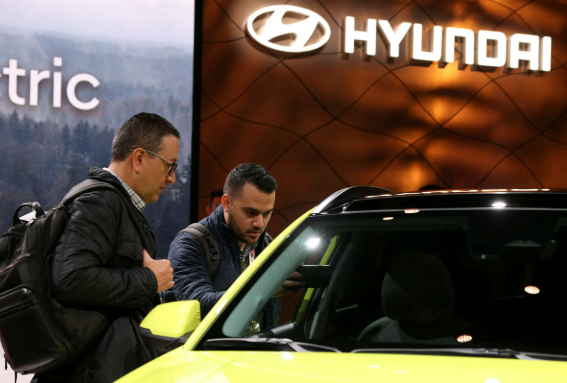
Hyundai Motor Group is gaining momentum in Europe's rapidly expanding electric vehicle market, with Hyundai and Kia reporting a significant increase in EV sales during the first half of 2026.
The two South Korean automakers sold a combined 131,032 electric vehicles in Europe during the first six months of 2026, representing a 41.8% increase compared with the previous six-month period, according to data reported by Yonhap.
The strong performance highlights growing consumer demand for electric vehicles across Europe and demonstrates Hyundai and Kia's increasing competitiveness against established global EV manufacturers.
The latest sales figures have attracted attention across the automotive and technology sectors after being highlighted by the X account Coin Bureau, which referenced the rapid growth of Hyundai and Kia's electric vehicle deliveries in the European market. Source: X post
The results were driven by strong demand for several key models, with Kia's compact electric SUV EV3 leading sales, followed by Hyundai's Inster and Kia's EV4. The performance signals a major step forward for Hyundai Motor Group as competition in the global electric vehicle industry continues to intensify.
Hyundai and Kia Strengthen Position in Europe's EV Market
Europe has become one of the world's most important markets for electric vehicle adoption. Government policies promoting lower emissions, stricter environmental regulations, and growing consumer interest in sustainable transportation have accelerated the transition away from traditional gasoline-powered vehicles. The European Union's legally binding target to phase out new CO2-emitting car sales by 2035 has added urgency for automakers to scale their EV offerings.
Automakers have responded by expanding their electric vehicle lineups and investing heavily in battery technology, charging infrastructure, and software-based vehicle systems. Hyundai and Kia have positioned themselves as major players in this transition.
The companies have introduced a wide range of electric models designed to appeal to different customer segments, from compact urban vehicles to larger electric SUVs. The latest sales figures indicate that this strategy is gaining traction among European consumers. The 131,032 EV units sold during the first half of 2026 represent a substantial improvement from the previous six-month period, showing that demand for the brands' electric models continues to grow.
Kia EV3 Leads Electric Vehicle Growth
Among Hyundai and Kia's electric vehicle lineup, the Kia EV3 emerged as the strongest performer. The compact electric SUV recorded 27,121 units sold in Europe, making it the best-selling EV model between the two brands during the period.
The EV3 has attracted attention because it combines a practical design, competitive pricing, and modern electric vehicle technology. Compact SUVs have become one of the most popular vehicle categories in Europe, where consumers increasingly seek vehicles that offer efficiency without sacrificing space and functionality.
Kia's decision to focus on this segment has helped the company capture demand from drivers looking for an affordable entry point into electric mobility. The EV3 also benefits from Kia's broader reputation for offering feature-rich vehicles at competitive prices. As EV adoption expands beyond early technology enthusiasts, affordability and practicality have become increasingly important factors influencing consumer decisions.
Hyundai Inster Gains Momentum Among European Buyers
Following the Kia EV3, Hyundai's Inster also contributed significantly to the company's European EV growth. The Hyundai Inster is designed as a compact electric vehicle aimed at urban drivers seeking efficiency, convenience, and lower operating costs.
Small electric vehicles have become particularly important in European cities, where space limitations, environmental regulations, and rising fuel costs influence purchasing decisions. The Inster represents Hyundai's effort to compete in the growing compact EV segment while expanding access to electric mobility.
By offering smaller and more affordable electric models, Hyundai aims to attract a wider range of consumers who may not have previously considered switching to electric vehicles. The vehicle's performance reflects broader market changes, with demand increasingly shifting from premium electric vehicles toward more accessible options.
Kia EV4 Expands Electric Sedan Competition
Kia's EV4 also played an important role in the company's European sales performance. The model represents Kia's continued expansion into new electric vehicle categories.
While SUVs remain among the most popular vehicle segments globally, electric sedans continue to attract buyers seeking efficiency, advanced technology, and longer driving ranges. The EV4 strengthens Kia's electric lineup by offering customers more choices across different vehicle categories. A wider selection of EV models allows automakers to reach more consumers and compete more effectively against rival manufacturers. The success of the EV4 demonstrates that demand for electric vehicles is not limited to a single segment.
Europe's Electric Vehicle Market Becomes More Competitive
The European EV market has become one of the most competitive automotive environments in the world. Global manufacturers are investing billions of dollars to develop electric platforms and capture market share. Companies from Europe, the United States, China, and South Korea are competing to become leaders in the next generation of transportation.
Chinese automakers, in particular, have increased their presence in Europe by offering competitively priced electric vehicles. Meanwhile, traditional European manufacturers are accelerating their own EV strategies to maintain competitiveness.
Hyundai and Kia's recent growth demonstrates that South Korean automakers are successfully competing in this increasingly crowded market. Their combination of technology, pricing strategy, and product variety has helped them gain recognition among European consumers.
Electric Vehicle Demand Continues Despite Market Challenges
The global electric vehicle industry has faced several challenges in recent years. Concerns over battery costs, charging infrastructure, supply chain issues, and changing government incentives have created uncertainty for manufacturers.
However, demand for EVs continues to grow as technology improves and consumers become more familiar with electric mobility. Lower battery production costs and improvements in vehicle range have helped make EVs more attractive to mainstream buyers.
Automakers that can offer reliable, affordable, and practical electric vehicles are expected to benefit from long-term market growth. Hyundai and Kia's latest European sales performance suggests that their product strategy is aligned with changing consumer preferences.
Battery Technology and Infrastructure Remain Key Factors
The future success of electric vehicles depends heavily on battery technology and charging infrastructure. Consumers continue to evaluate EV purchases based on factors such as driving range, charging speed, battery durability, and ownership costs.
Automakers are investing heavily in improving battery efficiency and reducing production costs. Hyundai and Kia have developed advanced electric vehicle platforms, including the E-GMP (Electric Global Modular Platform), designed to improve performance and flexibility across multiple models. The companies are also expanding partnerships related to battery supply chains and charging solutions. These efforts are expected to play an important role as competition in the EV market increases.
Hyundai and Kia's Global EV Strategy
The strong European performance is part of Hyundai Motor Group's broader global electric vehicle strategy. The company has set ambitious goals for expanding EV production and increasing its presence in major markets worldwide.
Hyundai and Kia have introduced dedicated electric platforms that allow them to develop multiple vehicle models more efficiently. This approach enables the companies to respond quickly to changing market demand.
The brands are also focusing on software development, autonomous driving technology, and connected vehicle services as part of their future mobility strategy. The automotive industry is undergoing a major transformation, and companies that successfully combine hardware innovation with digital technology are expected to gain an advantage.
South Korean Automakers Challenge Global EV Leaders
Hyundai and Kia's progress highlights the growing influence of South Korean companies in the global electric vehicle market. For years, the EV industry was dominated by a small number of major players. However, increased competition has created opportunities for companies with strong manufacturing capabilities and innovative product strategies.
Hyundai Motor Group has invested significantly in electric vehicle development, battery research, and global production facilities. The company's expanding EV lineup demonstrates its commitment to competing in the future automotive landscape. The latest European sales figures provide further evidence that Hyundai and Kia are becoming important competitors in the global EV race.
The Future of Electric Mobility in Europe
The first-half 2026 sales performance suggests that electric vehicle adoption in Europe continues to accelerate. As more consumers transition away from traditional vehicles, demand for affordable and practical EV options is expected to increase.
Hyundai and Kia's success with models such as the EV3, Inster, and EV4 shows the importance of offering diverse products that meet different customer needs. The next phase of the electric vehicle market will likely focus on affordability, efficiency, charging convenience, and advanced technology.
Automakers that can deliver these features will be better positioned to compete in the rapidly changing transportation industry.
Hyundai and Kia Enter a New Phase of EV Growth
The combined sale of 131,032 electric vehicles in Europe during the first half of 2026 represents a major milestone for Hyundai and Kia. The 41.8% increase from the previous six-month period demonstrates strong market momentum and growing consumer acceptance of the companies' electric vehicle offerings.
With the Kia EV3 leading sales, followed by Hyundai Inster and Kia EV4, Hyundai Motor Group has shown that its strategy of expanding EV choices is delivering results. As competition in the global electric vehicle market continues, Hyundai and Kia's ability to combine innovation, affordability, and product diversity will determine their long-term success.
For now, the latest figures indicate that the South Korean automakers are strengthening their position in Europe's electric vehicle revolution.
Source: Hokanews

