Hyundai Engineering Unveils New Vision to Expand into Energy and AI Infrastructure
Key Takeaways
- •Hyundai Engineering announced a new corporate vision at its Seoul headquarters to expand beyond traditional EPC operations into future energy and advanced industrial facilities.
- •A solar power project in Hillsboro, Texas, launched in May, is expected to supply renewable energy to Hyundai Motor Group manufacturing plants across North America.
- •The company plans to grow its energy portfolio to include small modular reactors, nuclear fusion, hydrogen, and infrastructure for AI data centers.
- •Hyundai Engineering will broaden its chemical plant business into low-carbon areas such as carbon capture and storage, ammonia-based hydrogen production, and liquefied natural gas processing.
- •The firm intends to expand its asset-management operations into EV charging infrastructure, vehicle-to-grid services, and energy storage systems using retired EV batteries.
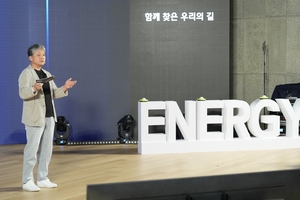
Hyundai Engineering has announced a new corporate vision designed to take the company beyond its traditional engineering, procurement, and construction (EPC) operations into future energy and advanced industrial facilities. The move reflects a broader shift among global EPC firms, which are increasingly positioning themselves as energy transition players as demand rises for low-carbon infrastructure and clean power generation.
The vision was unveiled Thursday during a ceremony at the company's Seoul headquarters. Hyundai Engineering defined its corporate purpose as "making a better life with our technologies on a road that connects space and energy," and set its future direction as "a key player leading the evolution of the energy value chain."
Under the new framework, the company intends to build business models that combine construction and energy. A solar power project initiated in Hillsboro, Texas, in May serves as a primary example. Renewable energy produced by the project is expected to supply Hyundai Motor Group facilities across North America, including manufacturing plants operated by Hyundai Motor, Kia, and Hyundai Mobis. The project illustrates how Hyundai Engineering can leverage its parent group's manufacturing footprint to create captive clean-energy demand.
In the energy sector, Hyundai Engineering will bolster its portfolio across next-generation fields such as small modular reactors (SMRs), nuclear fusion, hydrogen, and solar power. SMRs in particular have attracted significant global investment as countries seek dispatchable low-carbon power to complement intermittent renewables. The company also plans to develop energy infrastructure and operating projects to address the growing electricity demands of artificial intelligence data centers, a pressing challenge for hyperscale operators worldwide as AI workloads scale rapidly.
Its chemical plant business will be broadened to include low-carbon domains, encompassing carbon capture and storage, ammonia-based hydrogen production, and liquefied natural gas processing. These technologies are central to industrial decarbonization roadmaps in South Korea and other major economies pursuing net-zero targets. This expansion builds upon the company's existing expertise in conventional fossil fuel projects.
On the construction side, Hyundai Engineering aims to fortify its position in advanced industrial facilities, including AI data centers powered by next-generation energy sources.
Additionally, the company will grow its asset-management portfolio into electric vehicle charging infrastructure, vehicle-to-grid services, and energy storage systems that repurpose retired EV batteries. Second-life battery applications are drawing growing commercial interest as early EV models reach end-of-life and grid-scale storage needs expand.
"The newly established value framework connects Hyundai Engineering's history with its future," a company official said. "We will continue to provide greater value to customers, stakeholders and society."
Source: Korea Herald

