Hunter Biden’s $LAPTOP memecoin falls 99% after launch framed as rebuke to Trump’s $TRUMP
Key Takeaways
- •The project planned to issue one billion $LAPTOP tokens on Coinbase’s Base network, with founder allocations locked for six months and then vested over two years.
- •Twenty per cent of the supply was designated for airdrops, including distributions to selected $TRUMP holders who had lost money.
- •The token’s implied valuation briefly approached $144 billion, despite a liquidity pool of only about $48,000, making the quoted price highly unstable.
- •By September 10, $LAPTOP traded near $0.75, around 99% below its opening spike, while its circulating market capitalization was in the mid-hundreds of millions.
- •Analysts found that a project-linked wallet received 100 million tokens before launch and later transferred tens of millions, including to market makers that sold after trading began.
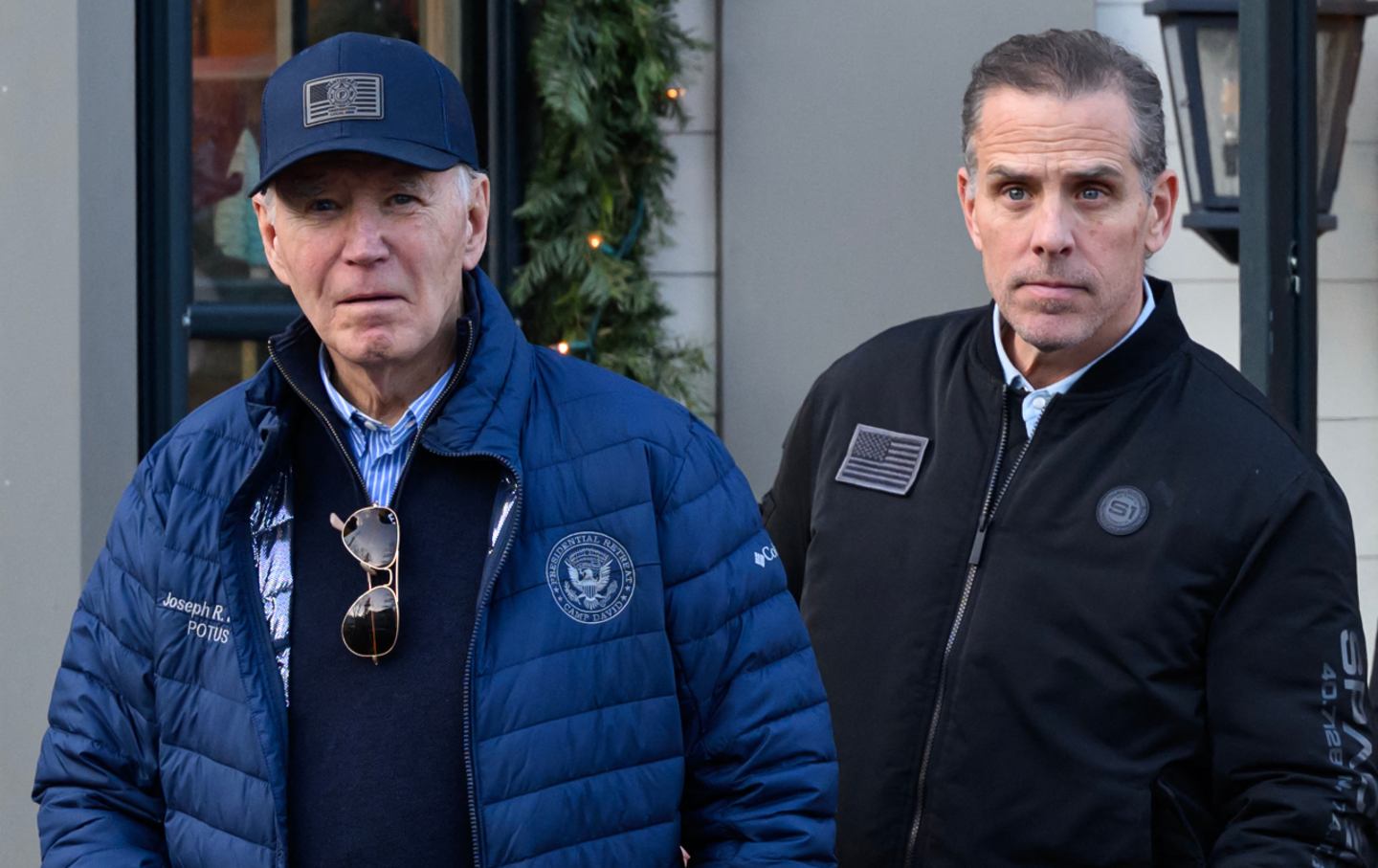
Hunter Biden launched the $LAPTOP memecoin on September 9, 2026, presenting it as a response to President Donald Trump’s $TRUMP token and a way to reclaim the laptop controversy that has followed him for years. The token rose sharply after trading began, then fell about 99% within roughly a day, leaving most traders with losses.
Biden spent years associated with a laptop he left at a Delaware repair shop in 2019. The New York Post published files from the device weeks before the 2020 US presidential election, and conservatives referred to it as the “laptop from hell”. Before the token’s launch, Biden wrote on X: “They turned the laptop into a weapon. I turned it into a token.”
He described $LAPTOP as a symbol of “resilience, redemption and recovery” and called Trump’s $TRUMP coin a “grift”. Biden claimed that nearly one million wallets had lost approximately $3.8 billion on $TRUMP. He said 20% of the $LAPTOP supply would be distributed through airdrops, including to holders who had lost money on $TRUMP.
The Wall Street Journal first reported the plan on September 7. Biden confirmed it within minutes with an X post reading “$LAPTOP / September 9”, accompanied by a montage of news clips that ended with Trump referring to the laptop as the laptop from hell. His X post is available at this link.
The token’s planned distribution was more detailed than is typical for a memecoin. The project said it would issue one billion tokens on Coinbase’s Base network. Founder allocations, including Biden’s, were subject to a six-month lockup followed by vesting over two years. Twenty per cent of the supply was allocated to airdrops for Substack subscribers to “Where’s Hunter”, a journalist mailing list and a smaller group of $TRUMP holders who had lost money.
A further 30% was linked to public “prediction” events, including a Democratic victory in 2028, a new Bitcoin all-time high and $LAPTOP surpassing $TRUMP’s valuation. Tokens associated with events that occurred were to be burned, while tokens associated with events that did not occur were to be sent to charity. An additional 5% was designated for charity regardless of the outcome. The official contract address was 0xB095274743941e953c746F9C228DA9c18Bb6ec29.
The project was marketed as both a financial initiative and a political statement: a symbol that Biden said had been used against his family would be turned against the Trump family’s memecoin activities.
$LAPTOP spikes before a rapid decline
Trading opened at approximately 8 a.m. Eastern Time on September 9. Arkham recorded a peak price of $190.81 two minutes later. At that price, the token’s implied fully diluted valuation was nearly $144 billion, compared with a liquidity pool of approximately $48,000. Because a liquidity pool of that size could not support trades approaching the implied value of the entire supply, the quoted price was highly sensitive to relatively small orders and did not represent an immediately realizable valuation for all tokens.
Within 30 minutes, $LAPTOP had fallen by roughly 90%. After an hour, it traded near $4.77. By the afternoon, the price was around $1.80 and continued to decline. One wallet reportedly bought approximately $250,000 worth of tokens and sold minutes later for roughly $1.18 million. Another wallet spent about $200,000 near the peak and lost most of that value as the price fell.
Bubblemaps later reported that approximately 80% of more than 15,000 traders lost money, while a few dozen wallets captured most of the gains. As of September 10, $LAPTOP was trading near $0.75, approximately 99% below its opening spike. Its circulating market capitalization was in the mid-hundreds of millions, based on 350 million unlocked tokens. By comparison, $TRUMP was trading near $2 after falling from a peak in the mid-$70s.
Biden addressed the decline in a post on launch day. He rejected “rug pull” and “Biden Crime Family” headlines as a “spin job”, attributing the price movement to thin liquidity, technical problems and “predatory snipers”. He said the price had “stabilised to healthy levels”.
Biden also said the founders’ allocation was locked and wrote: “Nobody on our side sold, and nobody could have. I, personally, have not made a single dollar.” He argued that the airdrop for people who lost money on $TRUMP was being portrayed as a failure because of the token’s early price collapse.
On-chain data raised questions about the broader supply picture. Analysts identified a project-linked wallet that received 100 million tokens before launch and later moved tens of millions of tokens, including transfers to market makers such as GSR. Those market makers sold tokens after trading opened, according to the source. While founder allocations may have been locked, the data indicated that other tokens positioned before the launch were not inactive. Community notes on Biden’s posts cited the same distinction.
The launch followed a broader pattern involving celebrity and political memecoins. Such projects often combine a prominent name with a concentrated or thinly traded supply, a “fair” or “community” narrative and a rapid price increase followed by a sharp decline. The pattern has also involved allegations of insider or market-maker selling and subsequent denials.
$TRUMP launched days before the 2025 inauguration, briefly reached a valuation in the billions and later declined. Disclosures by Trump subsequently showed hundreds of millions of dollars in related fees, while hundreds of thousands of wallets lost money. $MELANIA followed a similar rise and fall. Other examples cited in the source include tokens associated with Caitlyn Jenner, Hawk Tuah, Iggy Azalea, Jason Derulo, Argentina’s $LIBRA after an endorsement by President Javier Milei, and former New York Mayor Eric Adams’ NYC token.
Mark Cuban previously described the risks of such projects by saying, “every meme coin is a rug pull in the works.”
The distinguishing feature of $LAPTOP was its stated purpose. It was presented as an anti-“grift” token, a response to losses incurred by $TRUMP holders and an attempt to reclaim the laptop controversy. Its rapid decline nevertheless left a new group of traders holding substantially less valuable tokens. The project’s stated lockup, vesting, airdrop and event-linked allocation rules also leave those distribution terms as important reference points when assessing how the token supply is structured over time. Related reporting and source links include TechNext24’s coverage, its report on the Trump family’s cryptocurrency entry, its analysis of Trump and car tokens and its report on the $LIBRA controversy.
