Houthis Strike Saudi Aramco Facilities as Brent Crude Briefly Hits $100, Crypto Assets Pull Back
Key Takeaways
- •The July 25 missile strikes on Aramco facilities in Jizan and Yanbu represent the first direct Houthi attack on a Saudi refinery complex in four years.
- •The refinery strikes were part of a coordinated escalation that included a declared naval blockade on July 20 and claimed attacks on two Saudi oil tankers in the Red Sea two days later.
- •Brent crude spiked to $100 per barrel immediately after the attacks before retreating to the $89 to $90 range, indicating markets are not yet pricing in a full-scale supply disruption.
- •Bitcoin and XRP both declined following the attacks, consistent with the historical pattern of risk assets retreating during episodes of acute geopolitical uncertainty.
- •No casualties from the July 25 strikes have been confirmed, and the extent of physical damage to Aramco infrastructure has not been publicly disclosed.
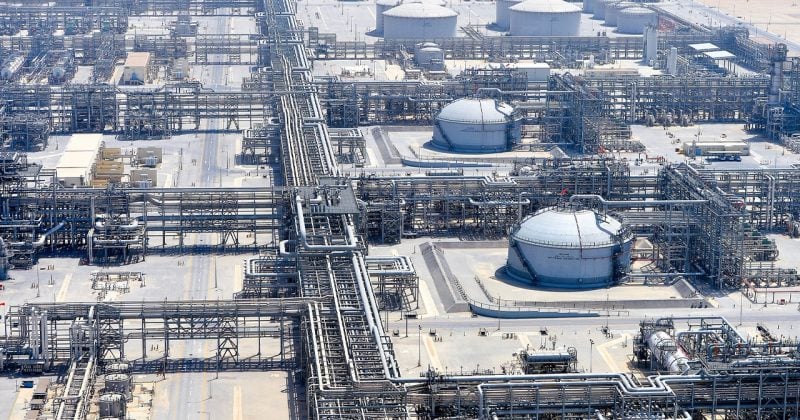
Yemen's Houthi movement claimed responsibility for missile strikes targeting Saudi Aramco facilities in Jizan and Yanbu on July 25, 2026. The attacks represent the first direct strike on a Saudi refinery complex in four years. Saudi Arabia is one of the world's largest crude oil exporters and OPEC's most influential producer, giving its energy infrastructure outsized importance for global supply. The most prominent precedent for large-scale strikes on Saudi oil infrastructure remains the September 2019 Abqaiq-Khurais attacks, which temporarily disrupted roughly 5% of global crude supply.
Brent crude surged to $100 per barrel in the immediate aftermath, marking a roughly 40% climb over July 2026 alone, before pulling back to stabilize in the $89 to $90 range.
A Coordinated Pressure Campaign
The refinery attacks followed a series of escalating actions. On July 20, the Houthis announced a naval blockade targeting Saudi shipping. Two days later, on July 22, the group claimed attacks on two Saudi oil tankers in the Red Sea — the Encelia and the Layla.
The Bab el-Mandeb Strait, located at the southern end of the Red Sea, connects the waterway to the Gulf of Aden. Roughly 10% of global seaborne trade passes through this corridor.
The Houthis have previously demonstrated the ability to make shipping through this passage expensive, unpredictable, and at times impossible. Their drone and missile campaign against commercial vessels, which began in late 2023, forced major shipping lines to reroute around the Cape of Good Hope, adding weeks and significant costs to global supply chains. War risk insurance premiums for vessels transiting the Red Sea rose sharply during that earlier campaign, reflecting the financial channels through which such disruptions propagate through the global economy.
No casualties from the July 25 strikes have been confirmed. The physical damage to Aramco infrastructure has not been publicly detailed.
Crypto Assets Decline Amid Regional Volatility
Bitcoin and XRP both experienced price declines following the attacks and the broader surge in regional volatility. Cryptocurrencies and other risk assets have historically tended to retreat during episodes of acute geopolitical uncertainty as investors reposition toward traditional safe-haven assets.
The Houthis have a documented history of using cryptocurrency to finance operations and circumvent sanctions. No specific tokens have been directly linked to the July 2026 campaign in available reporting, but the broader pattern is established. The U.S. Treasury and allied regulators have previously flagged crypto-based fundraising networks tied to the group.
Strategic Significance of the Targeted Facilities
The stabilization of Brent in the $89 to $90 range after the $100 spike suggests markets are not yet pricing in a full supply disruption. Saudi Arabia maintains significant spare production capacity, which has historically helped cushion global markets during temporary supply shocks.
Yanbu, situated on the Red Sea coast, is one of Saudi Arabia's largest refinery and petrochemical hubs. Jizan lies further south, closer to the Yemeni border, and its refinery serves both domestic demand and export flows. Strikes on both facilities in a single claimed operation indicate that the Houthis are targeting a broad range of infrastructure rather than solely seeking symbolic impact. Key indicators that energy markets typically monitor in such scenarios include the scope of damage assessments, the trajectory of shipping insurance premiums, and whether OPEC+ adjusts its production policy.

