European Commission Urges Temporary Waiver of Methane Penalties Amid Energy Security Concerns
Key Takeaways
- •The European Commission has recommended that EU governments waive penalties for oil and gas companies breaching the methane emissions law for three years, though the recommendation is non-binding.
- •The EU's 2024 methane policy was the first framework globally to extend compliance requirements to imported fossil fuels, not just domestic production, with potential fines reaching 20 percent of a company's annual turnover.
- •The Commission justified the waiver partly by citing the ongoing blockade of the Strait of Hormuz, a corridor that normally carries approximately 20 percent of global petroleum liquids and gas supply.
- •The Commission has separately proposed weakening the EU's emissions trading system rules, allowing some industries to extend emission reduction deadlines from 2034 to 2038 if they commit to decarbonisation investments.
- •Environmental organizations, including Climate Action Network Europe, have criticized the waiver as giving fossil fuel companies a free pass and warned it could undermine the EU's broader climate policy framework.
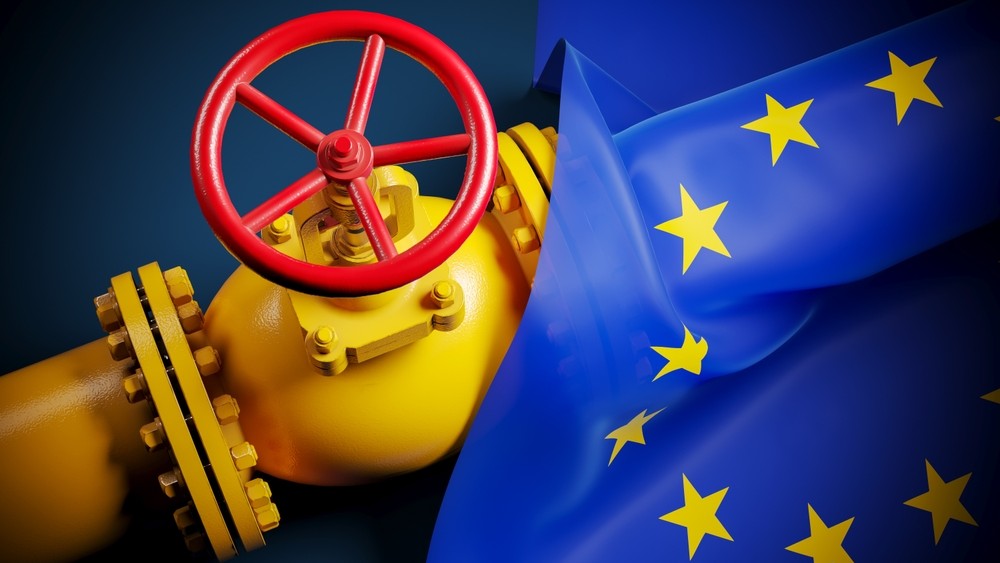
The European Commission has told EU governments they should waive penalties for oil and gas companies that breach the bloc's methane emissions law for the next three years, citing pressure from the United States government to scrap the rules and rising concerns over energy security. The recommendation is not binding, but many member states are expected to follow the Commission's advice.
The Commission moved after the United States and Qatar, along with oil and gas industry groups and most EU member states, raised objections to the strict requirements and called for changes. Several governments warned that Europe could struggle to secure fuel supplies once the rules take effect in January 2027 if energy companies are unable to provide gas imports that comply with the EU's emissions standards. The bloc's reliance on imported fuel has deepened since it sharply reduced purchases of Russian pipeline gas following Moscow's invasion of Ukraine in 2022, turning increasingly to liquefied natural gas from the United States and other suppliers.
The Commission said the changes were justified "in a context of global energy markets tightness caused by the ongoing blockade of the Strait of Hormuz". The Strait has been almost completely closed since February, following the U.S.-Israeli-led war on Iran. The trade corridor, located between Oman and Iran, links the Persian Gulf with the Gulf of Oman and the Arabian Sea. When fully operational, it carries an average of around 20 per cent of global petroleum liquids and gas supply.
The EU methane policy, described as a world first, was adopted in 2024 to reduce methane leaks as part of efforts to address climate change. It created the first EU framework for measuring, reporting and verifying methane emissions in the energy sector, and is notable for extending compliance requirements to imported fossil fuels, not just domestic production. However, the Commission said in a statement that although methane is the second-greatest contributor to climate change, "geopolitical developments in the Middle East are re-shaping the global energy system".
Methane warms the planet up to 80 times more than carbon dioxide over a 20-year period. It has accounted for roughly 30 per cent of the increase in global temperatures since the Industrial Revolution, and the energy sector is responsible for more than 35 per cent of methane emissions from human activity. Despite the launch of the Global Methane Pledge at the COP26 climate summit in 2021, many countries remain behind on their methane targets.
The delay in enforcement is expected to help the EU avoid supply chain disruptions. Once the rule is implemented, companies that do not comply could face fines of up to 20 per cent of their annual turnover. Critics have argued that instead of waiving the rule entirely, the Commission could amend the law to allow gradual implementation while beginning to curb methane emissions.
Esther Bollendorff, Fossil Free Programme Manager at Climate Action Network Europe, said, "A three-year sanction holiday, triggered by exaggerated and unsubstantiated security of supply concerns raised by industry, risks giving a free pass to methane-intensive gas imports – notably from the U.S." She added that the recommendations "should not deter member states from implementing robust penalty systems" and said such measures are "essential to ensuring that companies pay the price for their pollution".
The United States has been especially vocal in its criticism of the methane law and other EU climate policies. As the EU's largest supplier of liquefied natural gas, American exporters would be directly affected by the import compliance requirements. U.S. Energy Secretary Chris Wright, together with Algeria, Nigeria and Qatar, addressed the EU in June and warned of possible disruptions to the region's oil and gas supply. A group of 17 EU member states also requested a delay to the law.
The EU has some of the world's most far-reaching climate rules, which, if enacted, could serve as a model for other countries and regions. However, the bloc is also considering additional changes to climate policy that could prompt criticism from environmental groups.
The Commission has introduced proposals to slow reductions in greenhouse gas emissions limits for businesses as part of a potential wider overhaul. The reforms would weaken the rules governing the EU's emissions trading system and give businesses more time to reduce carbon emissions than previously planned.
Under the proposed changes, some industries could be allowed to extend the deadline to 2038 from the current 2034, provided they commit to investing in decarbonisation efforts. EU countries and lawmakers must approve the proposal before it can take effect, a process that could take up to a year. EU climate commissioner Wopke Hoekstra said, "We are adopting a more business-friendly and, may I say so, savvy approach." The Commission also told member states that the changes would still keep the ETS aligned with the EU's target of cutting carbon emissions by 90 per cent by 2040 compared with 1990 levels.
Pressure from the United States and other countries, combined with continuing global fuel shortages, has led the European Commission to recommend a temporary waiver of penalties for oil and gas companies that breach its methane emissions rules. The move has drawn criticism from environmentalists and increased concern that the EU's climate policy framework could be weakened if further changes are adopted before existing rules are fully implemented.

