Houthis Consider Transit Fees for Red Sea Shipping, Reuters Reports
Key Takeaways
- •The Houthis are considering charging commercial vessels fees to pass through the Bab el-Mandeb Strait.
- •The proposal was discussed with Iranian officials during a Houthi visit to Tehran in July, and Iranian advisers are reportedly helping set up a collection authority.
- •Chinese ships would reportedly be exempt from the fees under a separate arrangement.
- •The move comes one week after the Houthis declared a naval blockade on Saudi Arabia and would increase tension in the US-Iran conflict.
- •Western and Gulf officials expect opposition, but they say international naval forces have limited ability to fully protect merchant shipping.
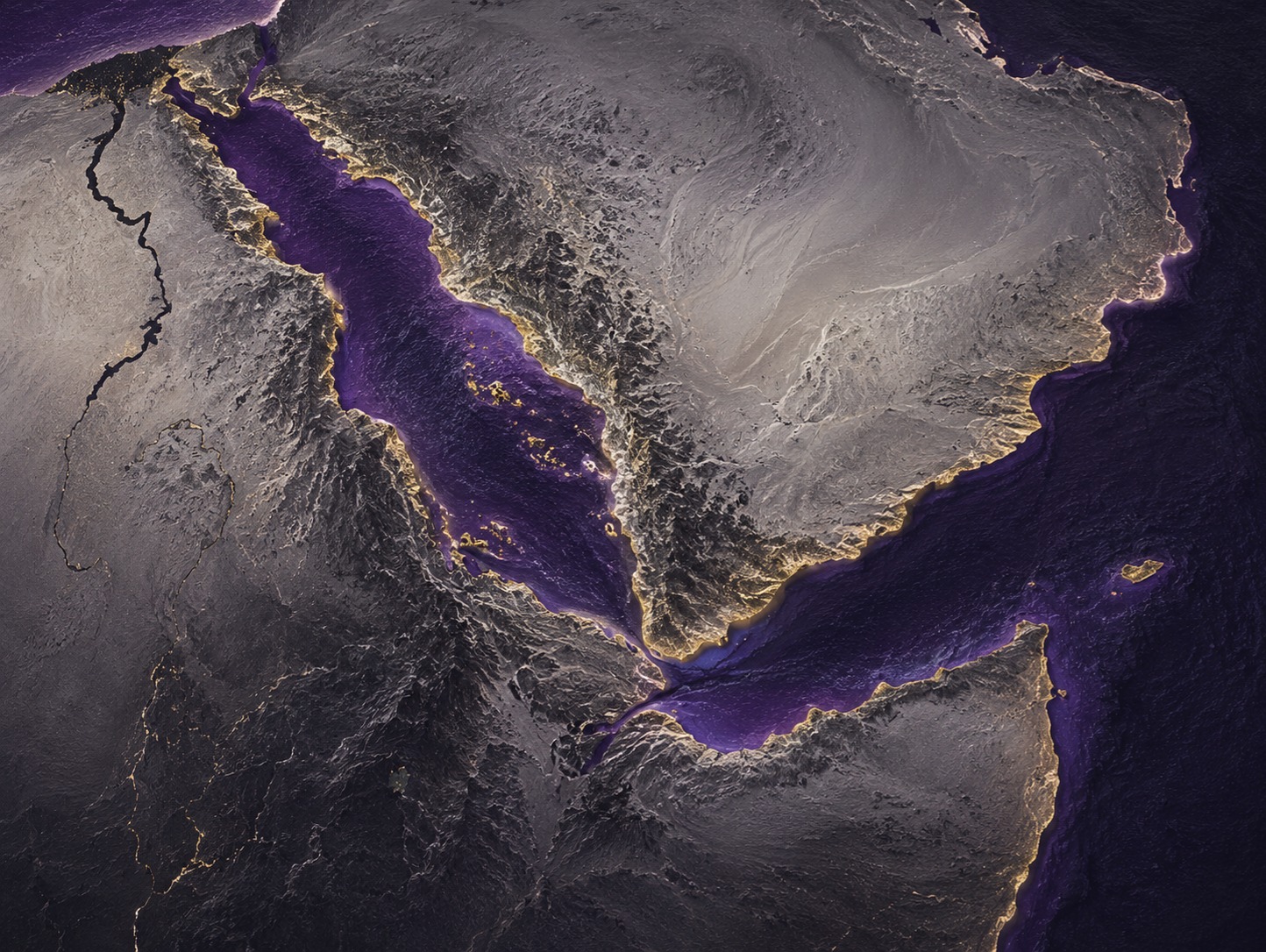
Reuters reports that Yemen's Houthis are considering charging commercial vessels fees to transit the Bab el-Mandeb Strait after recently declaring a naval blockade on Saudi Arabia. The proposal, reportedly developed with Iranian support, would exempt Chinese ships and could further disrupt global shipping and oil markets.
The Iran-backed Houthis are reportedly considering charging commercial ships transit fees to pass through the Bab el-Mandeb Strait, a key maritime chokepoint linking the Red Sea and the Gulf of Aden. The move comes one week after the group declared a naval blockade on Saudi Arabia, further escalating tensions in the ongoing US-Iran conflict.
According to Reuters sources, the proposal was discussed with Iranian officials during Houthi representatives' visit to Tehran in July. Iranian advisers are reportedly helping the Houthis establish an authority to regulate and collect the fees. Chinese vessels would reportedly be exempt under a separate arrangement, reflecting Beijing's direct engagement with the Houthis to safeguard its shipping.
The initiative is intended to normalize the practice of charging for passage through strategic waterways while increasing pressure on the United States and its allies. Any move to formalize fees at Bab el-Mandeb would carry significance beyond the immediate dispute because the strait is a major route for commercial shipping between Europe, Asia and the Middle East, including energy cargoes that are already sensitive to disruption. However, Western and Gulf officials expect strong opposition, although they acknowledge that overstretched international naval forces currently have limited capacity to fully protect merchant shipping.
The development also comes after Iran rejected Oman's proposal for joint regional management of the Strait of Hormuz, reducing hopes for easing disruptions to Gulf trade and energy markets.

