Strait of Hormuz Stalemate Could Push Oil to $120–$140, Analysts Warn
Key Takeaways
- •The Strait of Hormuz, which normally transports approximately 20% of global oil consumption, remains largely closed with tanker traffic at two-month lows.
- •Refining margins in the Atlantic Basin have reached all-time highs as global refinery throughputs run nearly 5 million barrels per day below year-earlier levels.
- •Capital Economics estimates that if the Strait stays shut and OECD inventory draws continue, oil prices could climb to between $120 and $140 per barrel by the start of the fourth quarter.
- •China is resuming larger crude purchases after holding imports at decade-low levels during May and June, a shift that could tighten global supply further.
- •The IEA reports that global seaborne trade in petroleum products fell by 3.8 million barrels per day amid declining diesel and jet fuel exports from Russia and the Middle East.
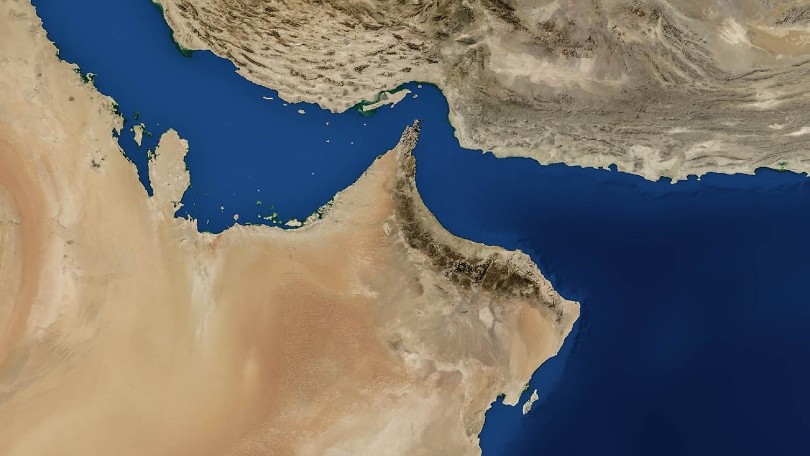
For months, oil traders and market analysts have weighed two competing scenarios: the severe disruption of oil flows through the Strait of Hormuz amid an ongoing war, and the possibility that a U.S.–Iran deal could release millions of barrels of crude and refined products currently trapped in the Persian Gulf.
Over five and a half months of negotiations, threats, Iranian tanker attacks, U.S. blockades on Iranian oil exports, and repeated pledges of "strong responses" from both sides, prices have spiked and crashed repeatedly. The latest focal point is an apparent stalemate over control of the Strait of Hormuz, which remains largely closed, with traffic at two-month lows. The Strait normally carries roughly a fifth of global oil consumption, making it the world's most critical petroleum chokepoint.
Sentiment vs. Supply
The crude oil futures market has been driven by sentiment and dwindling hopes for an imminent reopening of the Strait since the war began on February 28. However, global inventories are depleting—including those drawn from massive coordinated strategic stockpile releases, such as drawdowns from the U.S. Strategic Petroleum Reserve and reserves of other major consumers—while China, the world's largest crude importer, which had kept futures prices in check with decade-low import levels in May and June, is now resuming larger crude purchases.
If the stalemate over U.S.–Iran talks and Strait of Hormuz control persists for several more weeks, analysts warn that the physical oil market could reach a much-feared tipping point beyond which shortages would be felt and prices would spike.
Crude futures have not surged to record highs despite the biggest-ever disruption to oil markets, largely due to low Chinese imports in the second quarter, coordinated global strategic stock releases, and a substantial buffer of oil stored at sea when the Iran war began. Refining margins, however, have climbed to the highest levels on record in the Atlantic Basin, driven by depleting inventories, supply bottlenecks, and peak summer demand. The refining squeeze carries broad economic implications, as diesel and jet fuel are central to freight transport, agriculture, and aviation—sectors where higher fuel costs can cascade quickly into consumer prices.
Analysts increasingly point to tightening fuel markets and China's tentative return to higher oil imports as fundamentals that could trigger futures price spikes within weeks, should tanker traffic through the Strait of Hormuz fail to recover.
What's Next for Oil Prices?
Early Wednesday, Brent crude rose above $89 per barrel as Iran and the United States issued conflicting claims over who controls the Strait of Hormuz. Iran stated earlier in the week that the Strait would remain closed unless the United States ends the war and meets Tehran's conditions. Later on Tuesday, U.S. President Donald Trump asserted that the United States had "total control over the Hormuz Strait."
The prospect of more severe demand destruction from the protracted crisis and elevated fuel prices sent oil prices lower early Thursday.
The market appears more focused on rhetoric from both the U.S. and Iran than on the possibility that tightening fuel markets could reach a tipping point around late September to early October if Strait of Hormuz flows remain severely constrained. Among the variables being watched are the pace of OECD inventory draws, whether China's rebounding imports continue, and whether any diplomatic breakthrough or escalation alters the status quo at the Strait.
"The crude set-up is more bullish on a fundamental basis," Amrita Sen, founder and director of research at consultancy Energy Aspects, told CNBC.
According to Kieran Tompkins, senior climate and commodities economist at Capital Economics: "If the strait remains closed and oil inventories in OECD countries continue to be depleted quickly, the oil market could reach a tipping point around the start of Q4."
"This would be consistent with much higher prices, possibly in the region of $120–140 per barrel based on historical form," Tompkins told CNBC via email.
Ole Hansen, Head of Commodity Strategy at Saxo Bank, observed that refined products "remain significantly tighter than crude as Middle Eastern and Russian refinery disruptions drive crack spreads and refining margins to exceptional levels." Hansen noted in a Wednesday analysis that while the crude futures market is being driven by Hormuz headlines, the real squeeze is in refined products—particularly middle distillates such as diesel, gasoil, and jet fuel.
IEA Flags Tight Fuel Markets
The International Energy Agency (IEA) highlighted the tight fuel markets and high refining margins in its monthly Oil Market Report released this week.
"Despite a monthly increase of 1.8 mb/d, global refinery crude throughputs in July remained nearly 5 mb/d below year-earlier levels, with capacity elsewhere in the system currently unable to offset product supply bottlenecks," the IEA stated.
Even as U.S. fuel exports rose by approximately 700,000 barrels per day (bpd) in July year-over-year, global seaborne trade in petroleum products slumped by 3.8 million bpd, amid plunging diesel and jet fuel exports from Russia and the Middle East, the agency noted.
"Although the market is projected to return to surplus towards the end of this year, risks remain substantial and the urgency of reopening the Strait has increased, as previously available inventory buffers are rapidly depleting," the IEA added.
Hansen of Saxo Bank concluded: "Until the Strait actually reopens and production visibly recovers, volatility looks set to remain a defining feature—while distillates and the shape of the futures curve may continue to provide the clearest evidence of just how tight the underlying energy market has become."
By Tsvetana Paraskova for Oilprice.com

