Hormuz Ship Traffic Falls to Weekly Low as U.S.-Iran Standoff Drags On
Key Takeaways
- •Only eight vessels transited the Strait of Hormuz on Tuesday, the lowest count since August 5 and well below the recent 10-day average of twelve.
- •Iran stated the strait would remain closed unless the United States ends the war and complies with Tehran's conditions for reopening the waterway.
- •President Trump declared that the United States has total control over the Strait of Hormuz, directly contradicting Iran's position on who determines access to the chokepoint.
- •U.S. Energy Secretary Chris Wright claimed Middle East oil flows have returned to pre-war levels, but ship-tracking data does not appear to support that assertion.
- •Some Gulf states have rerouted crude exports through the Red Sea and the Suez Canal as an alternative, adding considerable transit time and cost to voyages.
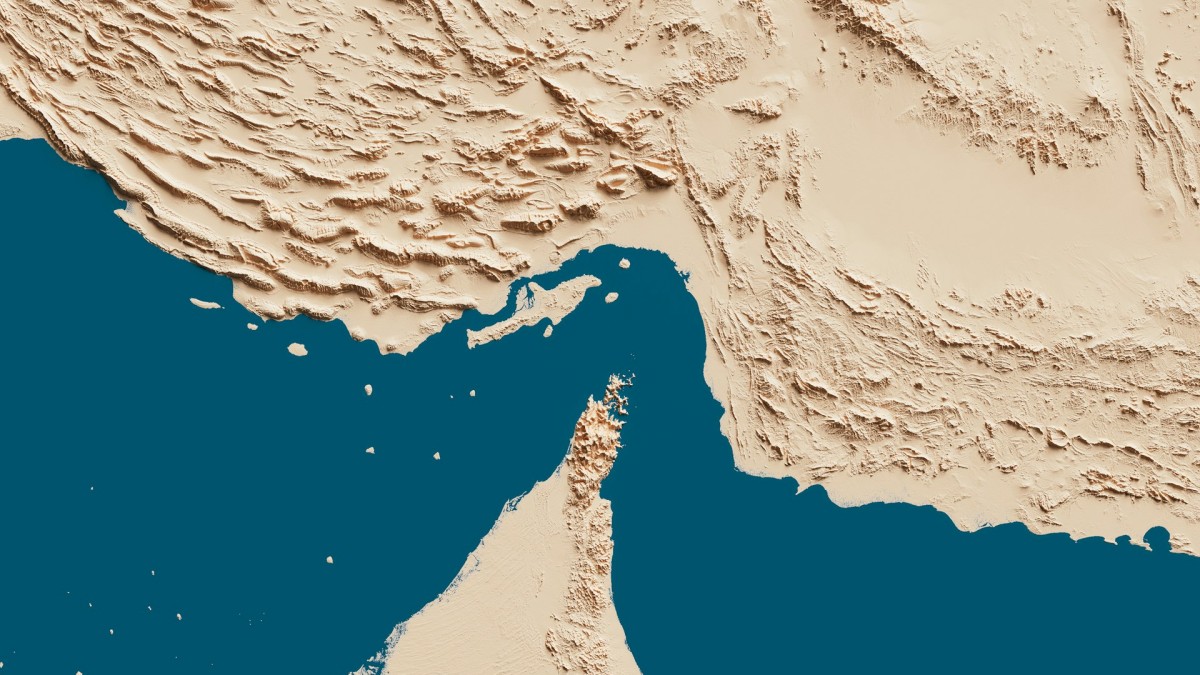
The Strait of Hormuz, through which roughly one-fifth of global daily oil consumption typically passes, saw vessel transits drop to a weekly low on Tuesday, shipping data showed, as shipowners continued to steer clear of the critical Middle East chokepoint amid an unresolved U.S.-Iran standoff.
Only eight ships moved in either direction through the Strait on Tuesday — the lowest figure since August 5 and well below the most recent 10-day average of 12 — according to Kpler data cited by Reuters. The waterway had been carrying roughly 20 million barrels of oil per day before the conflict began.
Traffic through the strait has declined steadily throughout the week, driven by heightened security risks and deep uncertainty over whether U.S.-Iran negotiations could lead to a reopening of the passage. For shipowners and insurers, the standoff has sharply raised the cost and risk calculus of any transit, with war-risk premiums climbing for vessels operating in contested waters.
Washington and Tehran have publicly offered sharply contrasting accounts of the Strait's navigability, further complicating the risk assessments of shipowners and operators considering a transit.
Iran stated on Tuesday that the Strait of Hormuz would remain closed unless the United States ends the war and complies with Tehran's conditions, effectively raising the threshold for any agreement that could restore oil traffic through the waterway.
Later the same day, U.S. President Donald Trump declared that the United States had "total control over the Hormuz Strait" — a direct counter to Iran's position that Tehran alone determines when and under what terms the Strait opens or closes.
"We own it," President Trump told reporters at Joint Base Andrews outside Washington, as reported by Bloomberg.
The United States also asserted on Tuesday that Middle East oil flows have collectively returned to pre-war levels, attributing the recovery to U.S. support for Hormuz traffic and decisions by some Gulf states to reroute crude exports through the Red Sea and the Suez Canal — an alternative route that adds considerable transit time and cost to voyages and has itself experienced security disruptions.
U.S. Secretary of Energy Chris Wright said on Tuesday that oil flows from the Middle East had normalized, with Sunday traffic alone exceeding pre-conflict averages. That assertion, however, does not appear to be supported by ship-tracking data.
Source: OilPrice.com

