FTSE 100 Falls as Iran and US Clash Over Strait of Hormuz; IEA Warns Oil Stockpiles 'Rapidly Depleting'
Key Takeaways
- •Oil prices surpassed $89 per barrel in their sixth straight session of gains as the US-Iran standoff over the Strait of Hormuz persisted.
- •Iran set multiple conditions for reopening the strait, including a US military withdrawal, release of frozen assets, and a region-wide ceasefire covering Lebanon and Gaza.
- •President Trump rejected Iran's demands and indicated he would seek compensation from Iran in any future negotiations.
- •Pakistan's defence minister, acting as an intermediary, expressed optimism that signals from recent days suggested a peace arrangement was within reach.
- •The International Energy Agency warned that global oil stockpiles were rapidly depleting, adding pressure to markets already strained by the disruption.
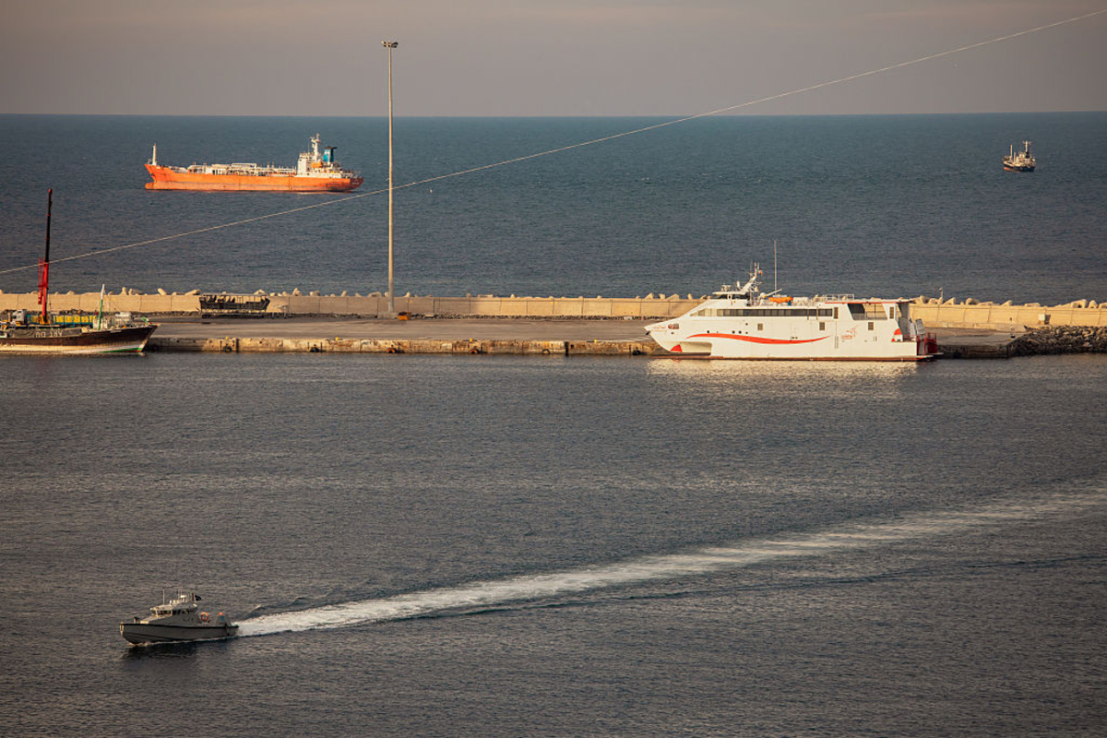
Oil prices broke above $89 per barrel on Wednesday morning, marking the sixth consecutive session of gains amid conflicting signals over a potential US-Iran agreement.
Iran has stated that the United States must end the war before Tehran loosens its grip on the Strait of Hormuz, contradicting assertions by Donald Trump that the US military had achieved complete control of the channel.
The Strait of Hormuz is one of the world's most critical energy chokepoints, through which roughly a fifth of global daily oil consumption transits. Any sustained disruption to shipping through the narrow waterway has historically sent shockwaves through global energy markets, given that major Gulf producers including Saudi Arabia, the UAE, Kuwait, and Iraq rely on it for the bulk of their crude exports.
Mohsen Rezaee, the newly appointed secretary of Iran's Supreme National Security Council, said on social media that the "message is clear": the narrow waterway will remain shut until the US agrees to terms and withdraws from the conflict.
"The Strait of Hormuz will not reopen until the US ends the war and blockade, releases Iran's frozen assets, and agrees to a region-wide ceasefire, including in Lebanon and Gaza," Rezaee stated.
His remarks followed Trump's dismissal of Iran's six conditions for reopening the strait, which included "payment in full" for damage inflicted on Iran during the war.
"It is an interesting idea because now I am likewise demanding compensation from Iran," Trump said. "I have instructed my representatives to put this firmly into any, and all, future negotiations." (Truth Social)
The President also indicated that the US was only "semi-negotiating" with Iran.
However, Pakistan's defence minister, whose country has been serving as an intermediary in the talks, offered some optimism. "Things were shaping up again in favor of a peace arrangement," the minister said, adding: "The signals in the last two three days are that we are close to some sort of an arrangement."
The International Energy Agency warned that oil stockpiles were "rapidly depleting," adding further pressure to energy markets already rattled by the standoff. The IEA's assessment underscores the tightening margin between global supply and demand, with inventories drawing down at a time when the Hormuz disruption threatens to further constrain availability of crude from the world's largest producing region.
In corporate news, Fermi announced a 4.8 gigawatt data centre partnership after a sharp rise in its shares, while travel group Tui reported a revenue hit stemming from Middle East travel disruptions.
Source: City AM

