Horizon Energy to More Than Double Plastic-to-Oil Capacity in South Korea
Key Takeaways
- •Horizon Energy plans to more than double its plastic-to-oil capacity in South Korea and is targeting growth overseas.
- •The company secured a 10-year supply agreement with HD Hyundai Chemical, a petrochemical unit of South Korean industrial group HD Hyundai.
- •Pyrolysis technology heats plastic waste in an oxygen-free environment, converting plastics that are difficult to sort or heavily contaminated into oil for petrochemical feedstock or fuel.
- •South Korea is one of the world's largest per-capita generators of plastic waste and is promoting chemical recycling as part of a broader circular economy push.
- •Horizon's expansion comes amid sectorwide dealmaking, including Ecorbit's talks to acquire Keco, SK Group's $1.2 billion sale of SK Ecoplant's waste and water treatment arms to KKR, and the potential sale of Koentec for up to 1 trillion won ($730.4 million).
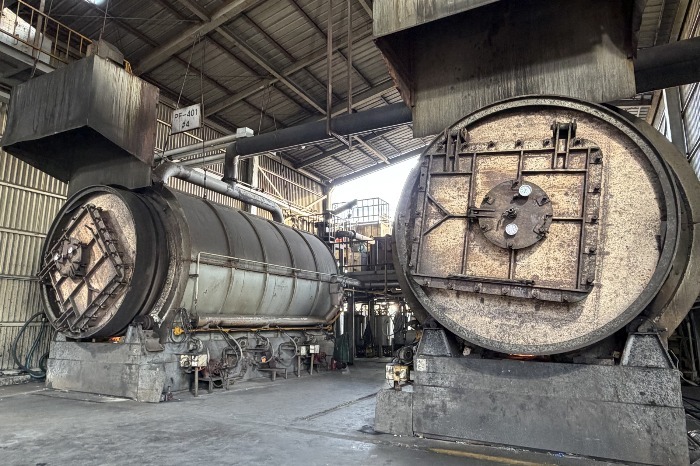
South Korean plastic-to-oil producer Horizon Energy plans to more than double its plastic-to-oil capacity in South Korea and is targeting overseas growth after securing a 10-year supply agreement with HD Hyundai Chemical.
Plastic-to-oil technology, commonly known as pyrolysis, heats plastic waste in an oxygen-free environment to break it down into oil that can be used as a feedstock for petrochemical production or as fuel. The process is a form of chemical recycling that complements mechanical recycling by converting plastics that are difficult to sort or heavily contaminated back into raw materials. Petrochemical producers worldwide have increasingly turned to pyrolysis oil as a recycled feedstock as they seek to meet recycled-content targets and reduce reliance on virgin fossil raw materials. Long-term supply agreements with petrochemical producers are a common fixture of the pyrolysis industry, giving operators committed demand for their recycled oil over multi-year horizons.
South Korea, one of the world's largest per-capita generators of plastic waste, has been promoting chemical recycling as part of a broader push toward a circular economy, with petrochemical and industrial groups investing in pyrolysis capacity in recent years. HD Hyundai Chemical, Horizon's counterparty in the supply agreement, is a petrochemical company under South Korean industrial group HD Hyundai.
South Korea's Waste Management Sector in Flux
The expansion plan comes amid a wave of dealmaking across South Korea's waste management and environmental services industry, according to KED Global.
- Ecorbit–Keco: Ecorbit Co., South Korea's largest waste management company, is in talks to acquire landfill operator Keco Co. in a bolt-on deal, following Ecorbit's 2.07 trillion won ($1.4 billion) buyout last year by a consortium led by IMM Private Equity.
- SK Ecoplant–KKR: SK Group is set to offload the waste management and water treatment arms of its construction affiliate, SK Ecoplant Co., to US private equity firm KKR & Co. Inc. in a $1.2 billion deal, as the South Korean conglomerate moves to sell non-core, unprofitable assets.
- Koentec: Korea Environment Technology Co. (Koentec) has been put up for sale in a deal that could fetch up to 1 trillion won ($730.4 million), with global private equity firms aiming to acquire the company.
Amid this sectorwide reshuffling, how Horizon's domestic capacity additions and overseas push take shape — from new capacity locations to buildout timelines — will be among the developments to watch in South Korea's chemical recycling industry.
Source: KED Global

