Former Prosecutor Elie Honig: Comey Filing Reveals DOJ Relied on Mobster to Build Case Against Ex-FBI Director
Key Takeaways
- •Former FBI Director James Comey faces scrutiny after posting a photograph of seashells arranged as "86-47," which prosecutors interpret as a potential threat against President Trump as the 47th president.
- •Newly disclosed documents show President Trump was directly involved in the investigation, receiving real-time FBI updates, contradicting assertions by his former attorney Todd Blanche of strict separation between the White House and DOJ.
- •DOJ prosecutors searched the FBI's Sentinel database and old mob case files for evidence that "86" means "to kill" but found nothing, ultimately turning to former Gambino crime family underboss Sammy "The Bull" Gravano for testimony.
- •Legal analyst Elie Honig dismissed Gravano as having zero credibility and predicted the prosecution would lose if its case depends on his interpretation of the term.
- •Honig cited the 1969 Supreme Court ruling in Watts v. United States as a foundational precedent establishing that political hyperbole does not constitute a prosecutable true threat.
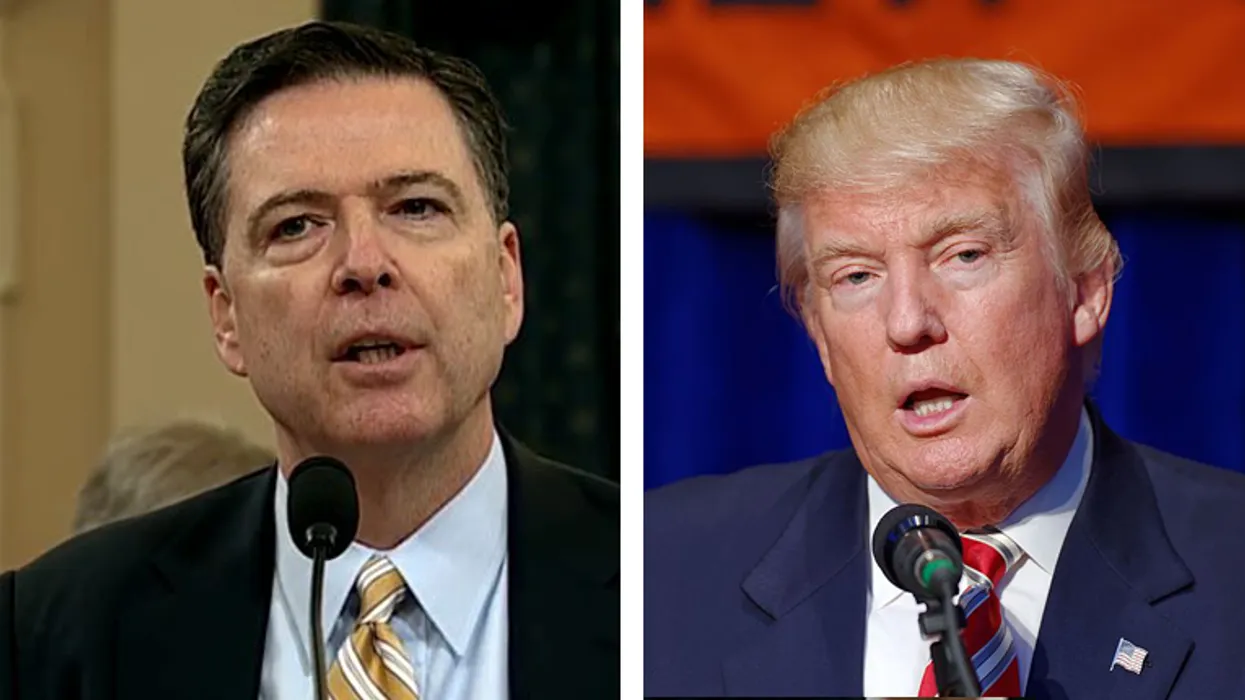
CNN legal analyst and former federal prosecutor Elie Honig expressed astonishment this week at documents disclosed in a filing by former FBI Director James Comey, particularly regarding the Department of Justice's reliance on a notorious mob figure to support its case.
Comey stands accused of making a violent threat against President Donald Trump after posting a photograph of seashells arranged to spell "86-47," with "47" widely understood as a reference to Trump's position as the 47th president. Federal law under 18 U.S.C. § 871 criminalizes knowing threats against the president, and the case turns on whether the phrase "86" constituted a genuine expression of intent to harm. Comey has maintained that the term is widely understood in the restaurant and food service industry as slang to cancel an order or clear a table, and that the post was not intended as a threat.
Appearing on CNN with host Sara Sidner on Thursday, Honig detailed what he found most striking about the new revelations.
"The first thing that I think is notable about the reporting is that Donald Trump was directly involved in this, getting real-time updates, getting FBI interview notes on the spot," said Honig. "... So much for [Todd] Blanche's claim that we're completely separate from the president."
Todd Blanche, Trump's former personal defense attorney whom Trump nominated to serve as Deputy Attorney General, had previously asserted a strict separation between the White House and DOJ decision-making.
Reports on Wednesday indicated that Secret Service agents had exchanged emails showing the president was personally engaged in the matter and requesting updates ahead of a planned press conference.
According to Honig, Justice Department prosecutors "show how desperately prosecutors are trying to make 86 mean murder and only murder, and they're failing. First thing they did is they ran that term through the FBI's Sentinel database, which is essentially everything the FBI has. Came up empty. Then they pulled files from an old mob case that Jim Comey had tried 30-some years ago, came up empty again."
Prosecutors then turned to Sammy "The Bull" Gravano, a former Gambino crime family underboss who became a government cooperating witness in the early-1990s prosecution of mob boss John Gotti, to attest that "86" was used as a mob term when he was active 36 years ago.
Honig noted that he had once considered calling Gravano as a witness in a case but quickly dismissed the idea.
"We were thinking about calling him as a trial witness for about three minutes, and I said, absolutely not," Honig recalled. "This guy has zero credibility. That's their star witness now! And if your basis for your case against Jim Comey is Sammy Gravano from 1990 thinks it could mean that, you're going to lose. I promise you."
Sidner observed that the considerable time and effort devoted to finding a single instance of "86" meaning "to kill" was remarkable, especially given that the common definition aligns with Comey's explanation.
Honig drew a legal parallel to Watts v. United States, the 1969 Supreme Court ruling involving a Vietnam War protester who declared, "If they put a rifle in my hands, the first person I want in my sights is L.B.J." The high court determined that statement did not constitute a criminal threat, establishing a foundational First Amendment precedent distinguishing conditional political hyperbole from a prosecutable "true threat."

