Hong Kong Proposes Licensing Rules for Four Additional Crypto Services
Key Takeaways
- •The Virtual Asset Services Legislation (Amendment) Bill 2026 was gazetted on November 20 and is scheduled for its first reading in Hong Kong's Legislative Council on December 2.
- •The amendment would bring dealing, advisory, management and custody services under SFC licensing or registration requirements through anti-money laundering legislation.
- •Banks and stored value facility licensees supervised by the Hong Kong Monetary Authority would need to register with the SFC before offering virtual asset services.
- •The proposal extends an existing regime, introduced in June 2023, under which 12 virtual asset trading platforms held licences as of March 31, 2026, with seven additional applications under review.
- •No commencement date for the new requirements has been announced, meaning the four activities remain outside the licensed perimeter until the legislation takes effect.
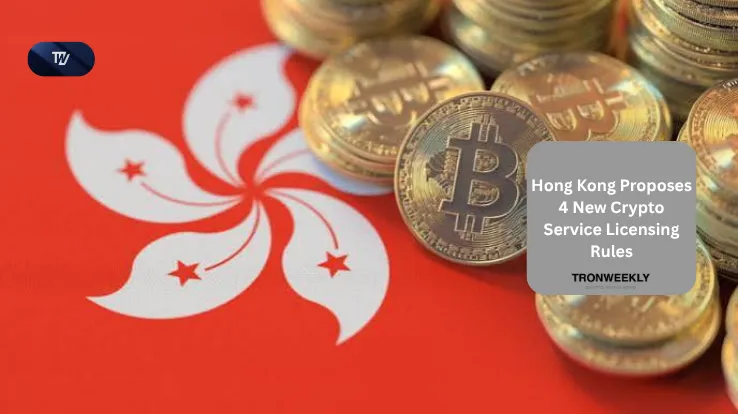
Hong Kong has moved to broaden its cryptocurrency regulatory regime to cover firms that deal in, advise on, manage or hold digital assets. The government gazetted the Virtual Asset Services Legislation (Amendment) Bill 2026 on November 20 — the step that formally publishes a bill's text ahead of its introduction in the legislature — bringing a wider range of crypto service providers under proposed licensing and registration requirements administered by the Securities and Futures Commission (SFC). The bill is set for its first reading in the Legislative Council on December 2.
Four Virtual Asset Activities Brought Under AML Rules
The proposed amendment would bring four additional virtual asset activities under the Anti-Money Laundering and Counter-Terrorist Financing Ordinance (Cap. 615): dealing, advisory, management and custody services. Businesses carrying out any of these activities in Hong Kong would need to obtain an SFC licence or registration and satisfy fit-and-proper requirements, the suitability checks regulators apply to a firm and the people who own or control it.
The proposal also covers banks and stored value facility licensees supervised by the Hong Kong Monetary Authority (HKMA). These institutions would need to register with the SFC if they intend to provide virtual asset services in the city. According to the government announcement, the SFC and HKMA would receive the powers required to administer the expanded framework.
Brokers, Advisers and Custodians in Scope
The proposed dealing regime could capture businesses that execute cryptocurrency transactions on behalf of clients, including providers operating outside licensed trading platforms. Advisory firms recommending virtual asset investments and managers overseeing crypto portfolios would likewise fall within the expanded framework, as would custody providers charged with safeguarding customers' digital assets.
The rules would also create compliance obligations for companies that have so far operated without a dedicated licensing regime for these services. The government said the proposal follows the principle of applying similar rules to businesses engaged in comparable activities and exposed to similar risks. The SFC and the Financial Services and the Treasury Bureau had already outlined plans to regulate advisory and management providers in May consultation conclusions (SFC announcement), a public consultation that preceded the bill.
Built on the Existing Platform Licensing Regime
Hong Kong already licenses virtual asset trading platforms under a regime introduced in June 2023. The SFC reported that 12 platforms held licences as of March 31, 2026, and was reviewing applications from seven additional platforms. The proposed amendment would extend supervision beyond exchanges to other businesses involved in delivering crypto services. As with the platform regime, the new obligations run through anti-money laundering legislation rather than a standalone statute, keeping authorisation tied to the same framework that underpins exchange licensing today.
The expansion forms part of a broader push to develop Hong Kong as a digital asset hub while maintaining investor safeguards. The government's 2026 policy update (official statement) also highlighted efforts to widen access to digital asset products and improve the regulatory environment. Bringing more service providers into the licensing system could give institutional clients clearer compliance standards when selecting brokers, advisers and custodians.
Next Step: December 2 First Reading
The bill will be introduced for its first reading in the Legislative Council on December 2. That step opens the legislative process; it is not the date on which the proposed licensing requirements would automatically take effect. The first reading itself is largely a formality, with detailed examination of the bill following at later stages. The government has not announced a commencement date for the new regimes in its November 20 announcement, and until such a date is set, the four activities remain outside the licensed perimeter.
If passed, the legislation would require affected businesses to review their activities, licensing status and compliance arrangements. Banks and stored value facility providers planning to offer crypto services would also need to weigh the proposed SFC registration requirements. The bill's progress through the legislature, together with subsequent implementation details, will determine how quickly the expanded framework reshapes Hong Kong's crypto services market.
Source: Tron Weekly

