Hong Kong Jails Former Banker Over $1.6B False Letters of Credit and Crypto Bribes
Key Takeaways
- •Lam Chun-y, a 32-year-old former customer relationship manager at China Construction Bank (Asia), received a four-year prison sentence after pleading guilty in Hong Kong's District Court.
- •He falsely authenticated letters of credit worth more than $1.6 billion and accepted over $470,000 in bribes paid in cryptocurrency, which the court ordered him to repay.
- •Judge Ernest Lin Kam-hung stated that deterrent sentences are necessary even for first-time offenders because the scheme damaged Hong Kong's reputation as a global financial center.
- •The Independent Commission Against Corruption has obtained arrest warrants for other individuals involved, and additional arrests and court proceedings remain possible.
- •The sentencing occurs as Hong Kong expands tokenized deposits, digital assets, and blockchain settlement, with the HKMA aiming for full sector readiness against quantum-computing threats by 2030.
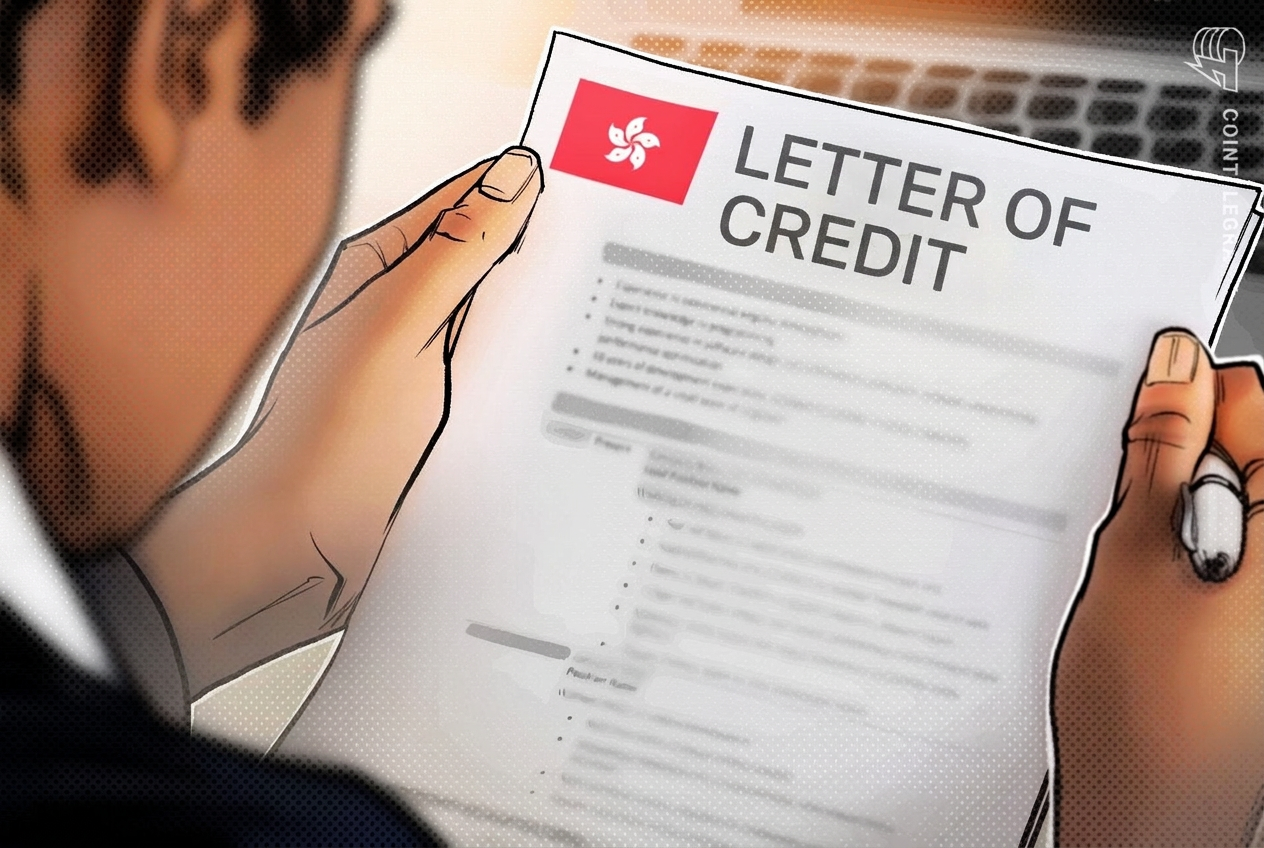
A former banking official in Hong Kong has been sentenced to four years in prison after falsely authenticating letters of credit worth more than $1.6 billion and accepting over $470,000 in bribes paid in cryptocurrency.
Lam Chun-yin, 32, who served as a customer relationship manager at China Construction Bank (Asia), had previously pleaded guilty in the District Court, according to a report by The Standard published on Saturday. Alongside the custodial term, the court ordered Lam to make restitution of the more than $470,000 he had received in cryptocurrency bribes. China Construction Bank (Asia) is the Hong Kong unit of one of China's largest state-owned lenders.
Letters of credit are bank-issued instruments widely used to guarantee payment in international trade, under which the issuing bank commits to pay a seller once agreed documentary conditions are met — a structure that depends on the reliability of bank authentication at every step.
Handing down the sentence, Judge Ernest Lin Kam-hung said deterrent sentences are necessary even for first-time offenders, especially in light of the grave nature of the crime and its impact on society. The judge added that banking and insurance are the backbone of Hong Kong's economy, and that Lam's scheme had served to undermine the city's standing as a global financial hub.
Hong Kong's anti-corruption body, the Independent Commission Against Corruption (ICAC), which investigates graft in both the public and private sectors, has obtained warrants for the arrest of others involved in the case, the report said. With those warrants still outstanding, further arrests and court proceedings in the matter are a development to watch.
Related: HashKey begins beta distribution of Hong Kong-regulated HKDAP stablecoin
The sentencing comes as Hong Kong continues to expand its use of tokenized deposits, digital assets and blockchain settlement. In July, Cointelegraph reported that the Hong Kong Monetary Authority (HKMA), the city's central banking authority and banking regulator, had launched a framework to assess banks' preparedness for quantum-computing threats. The HKMA said it aims to achieve full sector readiness by 2030, giving banks a defined timeline as they modernize operations under the oversight backdrop underscored by cases like this one.
Source: Cointelegraph

