How Home Renovations Can Increase Property Value and Build Long-Term Wealth
Key Takeaways
- •Practical renovation projects often deliver better resale results than highly customized or upscale remodels.
- •Kitchen updates such as improved storage, new countertops, better lighting, and newer appliances can add value without requiring a full overhaul.
- •Bathroom and exterior improvements can strengthen buyer perception by making the home feel better maintained and more appealing.
- •Energy-efficient appliances can reduce ongoing utility costs, and energy efficiency is a feature many buyers want.
- •Renovation does not guarantee profit because housing markets, buyer preferences, and appraisal comparisons can limit how much value is recovered.
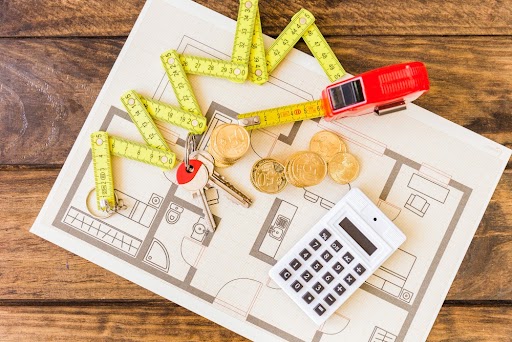
Home renovations are a common way to improve how a house looks, but the right changes can do much more than enhance appearance. Renovations can increase a property’s value, reduce future repair costs, and make a home more energy efficient with modern appliances. For homeowners, that can make renovation an important part of long-term wealth building.
Not every renovation delivers the same return. A high-end kitchen, for example, does not automatically guarantee value. In many cases, smaller and more practical upgrades matter more because they address the features buyers care about most. With the right planning, homeowners can turn renovation spending into a longer-term investment.
Renovations Can Increase A Home’s Market Value
A property’s value depends on several factors, including location, size, condition, layout, and local demand. Even modest renovations can improve how a home presents without requiring a move to a new property.
An outdated kitchen, worn floors, poor lighting, or an older bathroom can make a home appear less competitive than similar properties in the neighborhood. Updating those details can make the entire home feel more appealing. Buyers are often willing to pay more for a property that feels updated, functions well, and has been maintained properly.
Renovations can also help address problems that may reduce value over time. Repairs such as fixing plumbing issues or upgrading electrical systems may prevent more costly problems later. In that sense, renovation can support property value by improving both appearance and condition.
Focus On Improvements Buyers Actually Want
One of the easiest ways to waste money on renovation is to make decisions based only on personal taste. Bright colors, unusual layouts, or highly customized design choices may appeal to the homeowner, but they may not appeal to future buyers. In some cases, that can reduce a home’s overall desirability.
For homeowners who may sell in the future, it is often better to focus on changes that appeal to a broad range of buyers. Practical upgrades tend to perform well because they improve daily use. A kitchen that is easy to clean and use, an updated bathroom, new flooring, and ample storage can make a home feel more attractive and functional. These kinds of improvements can also help a house stand out among similar properties. That pattern is consistent with long-running industry data: the annual Cost vs. Value report from Zonda’s Remodeling magazine has repeatedly found that midrange projects tend to recover a larger share of their cost at resale than major upscale remodels.
Kitchen Renovations Can Create Value
The kitchen is one of the most important spaces in a home and should not be overlooked during renovation. It is not only a place for cooking; in many homes, it is also a place for gathering, eating, working, and socializing.
“A kitchen renovation should not always have to include changing everything. You can just replace the cabinet fronts or improve storage. Some people also like to update countertops and add better lighting to enhance the whole look. Replacing old appliances with newer ones can also make a big difference. The key is to avoid overbuilding the space for the neighborhood. Spending too much money can make it hard to get that money back when the house is sold. A good plan for the kitchen should make it easier to use and look better while still fitting what the market expects.” – Lewis Vandervalk, Co-owner of BluePrint Cabinets
Kitchen renovations do not always require a full overhaul. Replacing cabinet fronts, improving storage, updating countertops, adding better lighting, and installing newer appliances can all make a significant difference. Choosing energy-efficient models can also trim ongoing utility bills, and National Association of Home Builders buyer surveys have consistently ranked energy efficiency among the most-wanted home features.
The key is to avoid overbuilding for the neighborhood. Spending too much can make it difficult to recover those costs at sale. Part of the reason is how value gets measured: appraisers typically benchmark a home against comparable nearby sales, so a kitchen priced well above the neighborhood norm may not be fully reflected in an appraisal.
Bathrooms Can Improve Both Appeal And Function
Bathrooms are typically smaller than kitchens, but they can have a strong effect on how buyers view a home. Old fixtures and damaged surfaces often stand out immediately and can suggest that the property has not been well maintained.
A bathroom renovation does not need to start from scratch. Replacing outdated fixtures, improving lighting, adding storage, and upgrading ventilation can make the space feel cleaner, more modern, and more spacious. Even relatively small improvements can have a meaningful effect on both appearance and functionality.
Curb Appeal Can Influence Buyer Perception
First impressions often form before a buyer steps inside. The condition of the home’s exterior can play a major role in shaping that perception, which is why curb appeal matters so much.
Simple exterior improvements can make a noticeable difference. Fresh paint, driveway repairs, better lighting, and an improved entrance can all strengthen a home’s presentation. Keeping the outside area clean also helps because it sets the tone for the visit.
These changes do not need to be expensive. Routine maintenance can also protect value over time. Cleaning gutters and repairing damage before it becomes more serious can help homeowners avoid larger, more costly problems later.
Renovation Can Become A Wealth-Building Strategy
Samuel Leach, founder of Samuel & Co Trading, said, “Owning a house can be a good way to build wealth. You can increase the value of your house, build equity, and reduce your expenses. Renovation can help you do all these things if you approach it carefully. Renovating your house to make it more functional and desirable can increase its value when you sell it. Reducing your operating and maintenance costs can save you money. As the value of your house increases, you can build additional equity. However, you should not think that renovating your house is a guarantee that you will make money. The housing market can change. People’s preferences can shift. The goal is to make decisions about how to renovate your house to increase its value, not just to spend money hoping to get it back.”
Homeownership can be a long-term wealth-building tool because it allows owners to build equity and potentially increase value over time. Renovations can support that process when they are planned carefully and focused on function, desirability, and cost control. Cost control matters in part because renovation budgets can move with material and labor prices; lumber costs, for example, swung sharply between 2020 and 2022.
At the same time, renovation is not a guarantee of profit. Housing markets can change, and buyer preferences can shift. The goal is to make informed decisions that improve value rather than spending money with the assumption that every dollar will come back.
Conclusion
Home renovations can do more than make a property look better. When planned carefully, they can support market value, improve livability, and reduce future maintenance costs. Homeowners should consider local market conditions, set a realistic budget, prioritize the most important repairs, choose durable materials, and avoid unnecessary spending.
Viewed as a long-term strategy rather than a short-term cosmetic project, renovation can improve a home while also helping build real estate wealth over time.
The post How Home Renovations Can Increase Property Value And Build Long-Term Wealth appeared first on FintechZoom IO.

