Hochschild Maintains 2026 Production Guidance Despite Higher Costs
Key Takeaways
- •Hochschild produced 76,231 gold-equivalent ounces in the second quarter and 151,830 ounces in the first half of the year.
- •The company maintained its 2026 production target of 300,000 to 328,000 gold-equivalent ounces.
- •All-in sustaining costs are about 5% to 10% above the guided range due to higher royalties, worker profit sharing, selling costs, currency strength and inflation.
- •Mara Rosa delivered slightly higher production than the previous quarter, helped by improved plant reliability and a new mining contractor.
- •Hochschild ended June with about $309 million in cash and short-term investments and a net cash position of roughly $51 million.
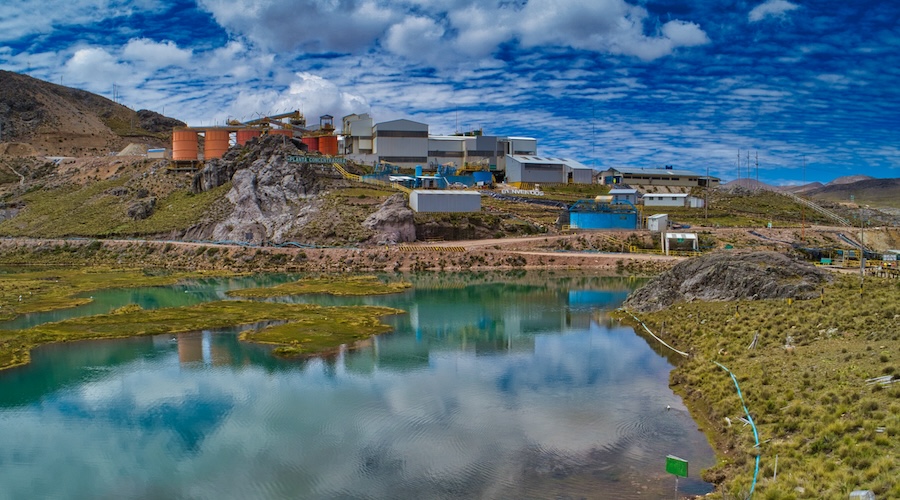
Hochschild Mining (LON: HOC), which focuses on Latin America, maintained its 2026 production guidance after stronger operating performance in the second quarter helped offset higher costs linked to rising metal prices, inflation and stronger local currencies.
The London-listed precious metals producer reported attributable production of 76,231 gold-equivalent ounces for the quarter. That brought first-half production to 151,830 ounces and kept the company on track to meet its full-year target of 300,000 to 328,000 gold-equivalent ounces. Gold-equivalent ounces are commonly used by precious metals miners to express output from multiple metals in a single production measure.
Attributable all-in sustaining costs are running about 5% to 10% above the company’s guided range of $2,157 to $2,320 per gold-equivalent ounce. Hochschild said higher gold and silver prices increased royalties, workers’ profit sharing and selling expenses, while currencies strengthened across its operating jurisdictions and inflation stayed elevated in Argentina. All-in sustaining cost is a closely watched industry metric because it captures the cost of maintaining current production, including operating costs and sustaining capital.
Hochschild shares rose 3.36% to 460.8p at Wednesday’s close in London, valuing the company at £2.38 billion ($3.2 billion).
“We have delivered a solid operational performance during Q2, with Inmaculada and San Jose generating robust operating cash flow while Mara Rosa continued to make good progress as we execute our operational turnaround,” CEO Eduardo Landin said.
“Production improved at the mine compared with Q1, supported by greater plant stability, and initial positive signs from the transition to our new mining contractor.”
Operations improve
Hochschild said its Mara Rosa mine in Brazil delivered modestly higher production than in the previous quarter, supported by improved plant reliability and the early contribution of a new mining contractor to operating performance.
As part of the turnaround effort, management is concentrating on gaining access to higher-grade ore, reducing haulage distances and improving water management. The company said Inmaculada and San Jose also remained on course to meet full-year guidance.
Growth pipeline
Hochschild said it expects to submit a revised environmental impact assessment for the Royropata project to Peru’s new government in the coming weeks. The company also said Monte Do Carmo in Brazil remains on schedule for an investment decision in the second half of 2026. Permitting and investment decisions are key milestones for miners because they determine whether projects can move from planning toward development spending.
The miner reported strong cash generation as well, ending June with about $309 million in cash and short-term investments. It had a net cash position of roughly $51 million at the end of the period, compared with net debt at the end of 2025.
