HMM Signs $3.4bn, 25-Year Iron Ore Transport Contract with Vale
Key Takeaways
- •HMM signed a 25-year-per-vessel iron ore shipping contract with Vale worth approximately KRW4.7trn ($3.4bn), beginning in 2030.
- •The deal is HMM's third major long-term contract with Vale, following two 10-year agreements in May and September 2025.
- •HMM will serve the contract with eight 210,000 dwt newcastlemax bulk carriers ordered in June, delivered sequentially from 2030.
- •The newbuildings will have tri-fuel engines, LNG- and ammonia-ready designs, and rotor sails to cut fuel use and emissions.
- •The Brazil–Asia iron ore route is among the longest dry bulk trades and a major source of tonne-mile demand.
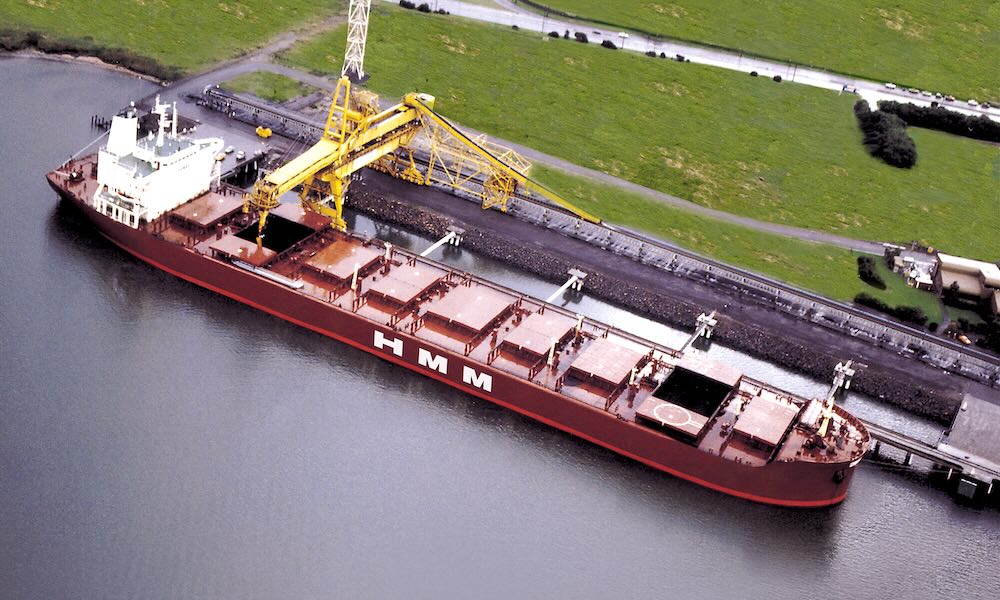
South Korean shipping line HMM has signed a long-term iron ore transportation contract with Brazilian mining giant Vale worth approximately KRW4.7trn ($3.4bn), deepening the carrier’s strategic shift toward stable, long-duration dry bulk business. Long-term contracts of this kind provide shipowners with contracted revenue that is less exposed to swings in spot freight rates, which in dry bulk shipping can vary sharply with commodity demand and fleet supply.
The agreement runs for 25 years per vessel, with transportation commencing in 2030. It marks HMM’s third major long-term contract with Vale, following two separate 10-year deals secured in May and September 2025.
To service the new contract, HMM will deploy eight 210,000 dwt newcastlemax bulk carriers ordered in June. Newcastlemax vessels are among the largest bulk carriers capable of transiting the Suez Canal and are the standard size class used on iron ore trades from Brazil to Asia. The ships are due for sequential delivery from 2030.
The newbuildings will be equipped with tri-fuel engines capable of burning methanol, ethanol, and conventional bunker fuel. They will also be built LNG-ready and ammonia-ready, and fitted with rotor sails to improve fuel efficiency. Rotor sails use a rotating cylinder to harness wind power and generate propulsive thrust, a technology increasingly adopted by shipowners seeking to cut fuel consumption and emissions.
The dual-fuel and fuel-ready specifications reflect a broader trend in shipping toward alternative-fuel newbuildings as operators prepare for tightening international regulations on greenhouse gas emissions from ships. The UN’s International Maritime Organization has set targets to reduce emissions from international shipping, including a goal of net-zero emissions for the sector around 2050, alongside interim measures such as carbon-intensity requirements for ships in operation.
Vale, one of the world’s largest iron ore producers, exports the bulk of its output from ports in Brazil to steelmakers in Asia, and has a history of contracting dedicated tonnage for these routes. Its main competitors in seaborne iron ore supply, Australia-based Rio Tinto and BHP, ship to Asia over much shorter routes, making the Brazil–Asia trade one of the longest hauls in dry bulk and a major source of tonne-mile demand for the fleet.
“This long-term contract reaffirms our strong, strategic partnership with a premier global charterer,” an HMM spokesperson said.
