Hilton and Butlin's Criticise Exclusion from Business Rates Relief Plan
Key Takeaways
- •Hilton and Butlin’s said hotels and resorts were left out of Andy Burnham’s proposed business rates relief for pubs, clubs and music venues.
- •UK Hospitality said the average hotel faced an extra £28,900 in business rates in April after Rachel Reeves’s Autumn Budget.
- •By 2029, the average hotel business rates bill is expected to be 115% higher than last year, according to UK Hospitality.
- •Butlin’s argued that major hospitality employers should not be excluded from support because of their size.
- •Hospitality trade bodies have urged Chancellor John Healey to abandon overnight visitor levies, warning they would affect tourism and related businesses.
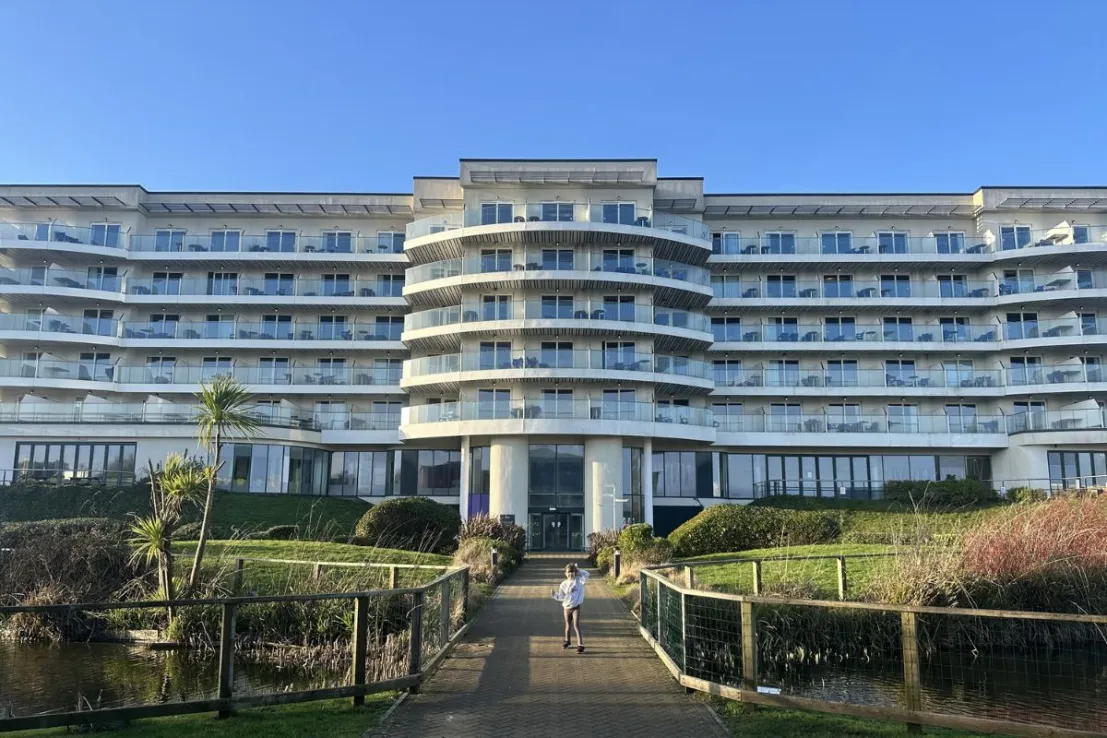
Hilton and Butlin's have voiced strong frustration after being left out of Andy Burnham's pledge to reduce business rates for pubs, clubs, and music venues.
The two hospitality giants argued that hotels and resorts have been unfairly overlooked by successive government interventions aimed at cutting business rates bills across the sector. Business rates, a local tax on commercial property based on rateable value, remain one of the largest fixed costs for hospitality operators, and the industry has long campaigned for reform of a system it says treats the sector disproportionately compared to other industries.
Stephen Cassidy, senior vice president of Hilton UK and Ireland, said that while any support for hospitality is welcome, it is "essential" that hotels be included in future relief packages.
"Hotels have been disproportionately impacted by business rates changes and other taxes in recent years, despite their significant contribution to job creation and economic growth," he said.
Following Rachel Reeves's Autumn Budget, the average hotel faced an additional £28,900 in business rates in April, according to trade body UK Hospitality. By 2029, the average business rates bill for a hotel will have risen by 115 per cent, or £111,300, since last year. The Budget also raised employer National Insurance contributions and increased the National Minimum Wage, adding further cost pressure across a sector that employs roughly 3.5 million people nationally.
Hotels and Resorts "Deserve Support"
"Hotels are major employers in local communities across the UK, support local supply chains, attract visitors and investment, and provide one of the country's most important routes into work for young people," Cassidy added.
Hilton, listed on the New York Stock Exchange, operates more than 9,200 hotels worldwide and reported $2.8bn in revenue for the year to December.
Jon Hendry Pickup, chief executive of seaside resort chain Butlin's, also criticised Burnham for excluding some of the hospitality industry's largest operators from tax relief.
"It's encouraging to see the Government recognising the pressure hospitality businesses have been under. However, excluding major parts of the sector from this relief suggests those pressures are somehow less significant for some operators," he said.
Pickup argued that Burnham should not overlook large hospitality firms "simply because of their size."
"We're one of the largest employers in the communities this Government wants to support, investing in UK tourism and creating jobs in coastal economies," he added.
Allen Simpson, chief executive of UK Hospitality, said that restaurants and hotels are "struggling just as much as pubs."
"After years of rising costs and tax increases that have hit investment and employment, the industry now needs a meaningful, sector-wide solution. While today's announcement will provide welcome support for pubs, clubs and live music venues, they only account for around a fifth of hospitality jobs," he said.
Industry Opposition to Tourist Tax
Butlin's has also been a vocal opponent of the government's overnight visitor levy, commonly referred to as a tourist tax. The levy came into force in Edinburgh on Friday, making it the first UK city to impose such a charge. Similar visitor levies are already widespread across European cities, though UK operators have warned that introducing them domestically risks blunting the competitiveness of British tourism destinations.
At the King's Speech earlier this year, the government passed legislation enabling regional mayors to impose a levy on tourist accommodation and direct the revenue toward local services.
Leading trade bodies, including UK Hospitality and the British Beer and Pub Association (BBPA), wrote to Chancellor John Healey on Friday, urging him to abandon what they called an "economically and socially damaging tax."
"There are no winners from a holiday tax. Holidaymakers, hotels, B&Bs, guesthouses, holiday parks, pubs, restaurants, shops, tourism, visitor attractions, farm shops, events, music, sports and business travel will all be hit," the lobby groups wrote.
HM Treasury was contacted for comment.

