HGK Urges European Governments to Fund 1,000 Shallow-Water Inland Vessels by 2035
Key Takeaways
- •HGK wants Germany to lead a long-term funding framework for 1,000 new shallow-water-capable vessels by 2035.
- •The proposed programme could mobilise up to €12.5 billion and would equal about 13% of the roughly 7,800 cargo vessels operating across the Rhine countries.
- •On August 11, the Kaub gauge on the Middle Rhine fell to 16 cm, highlighting severe low-water conditions on the river.
- •HGK said about 80% of dry cargo tonnage on the Rhine was built in the last century, while only 13 dry cargo ships and 38 tankers entered service in 2024.
- •The company said government support would be especially important for smaller operators facing high newbuild costs and long payback periods.
German inland shipping leader HGK is calling for a government-backed programme to mobilise up to €12.5 billion ($14.4 billion) in investment for the construction of 1,000 new shallow-water-capable vessels across Europe by 2035 — a fleet renewal effort equivalent to roughly 13% of the approximately 7,800 dry and liquid cargo vessels currently operating across the Rhine countries.
The Cologne-based group has urged the German government in Berlin to take the lead in establishing a long-term funding framework, citing the growing impact of exceptionally low water levels on the Rhine — one of Europe's most critical inland freight arteries — which sharply reduce the cargo capacity of conventional vessels. The proposal aligns with broader European Union objectives to shift freight from road to inland waterways, which generate lower emissions per tonne-kilometre, as part of the bloc's transport decarbonisation strategy.
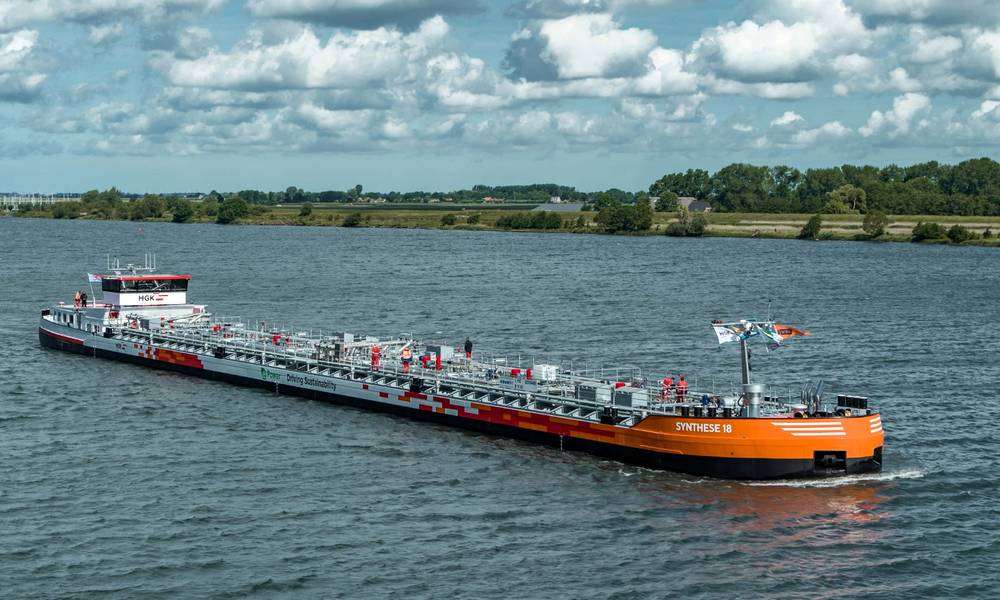
The Kaub gauge on the Middle Rhine, a widely monitored bottleneck point for river traffic, stood at just 16 cm on August 11. HGK pointed to its shallow-water-optimised vessel Synthese 18 as an example of the type of tonnage required under such conditions, noting that the ship was still able to carry 485 tonnes despite the extreme low water.
The Rhine is a vital corridor for the transport of commodities including coal, chemicals, grain, and automotive components, linking major industrial regions in Switzerland, Germany, France, and the Netherlands to the North Sea port of Rotterdam. Recurring low-water events in recent years — most notably during the droughts of 2018 and 2022 — have repeatedly disrupted freight logistics across the continent. During the 2018 drought, water levels fell so low that several chemical and energy companies along the Rhine publicly reported production bottlenecks, underscoring the corridor's systemic importance to European industrial supply chains.
According to HGK, roughly 80% of dry cargo tonnage operating on the Rhine was built in the last century. Fleet renewal has been slow: only 13 new dry cargo ships and 38 tankers entered service in 2024.
HGK is proposing that Germany build upon its existing €125 million green inland shipping funding scheme, with support of up to 40% under consideration for fleet renewal. The company emphasised that such backing would be particularly important for smaller operators facing high newbuild costs and lengthy payback periods — a notable constraint in an industry dominated by owner-operators and small fleets.
Since 2018, HGK has developed nine shallow-water-optimised vessels with customers through its Shipping Design Centre. The group currently operates a fleet of approximately 300 inland vessels, including owner-operated tonnage, transporting dry cargoes, chemicals, liquefied gases, and breakbulk.
Source: Splash247
