Hegseth Seeks Allied Support for Strait of Hormuz Patrol Coalition as Iran War Meets Resistance
Key Takeaways
- •The Strait of Hormuz is a narrow passage between Oman and Iran through which approximately one-fifth of global oil supply and a significant share of liquefied natural gas exports transit.
- •Defense Secretary Pete Hegseth is urging the United Kingdom and France to lead a naval coalition to patrol the strait, but faces skepticism from multiple British officials and U.S. insiders.
- •European officials are frustrated with the Trump administration's handling of the conflict, particularly the February airstrike on Iran carried out without prior consultation with Congress or allied governments.
- •U.K. Defense Minister Wes Streeting agreed to assist with maritime security operations but explicitly ruled out British participation in offensive actions against Iran.
- •Senator Chris Coons stated that the administration failed to build consensus with Congress, the American public, and core allies before escalating the conflict.
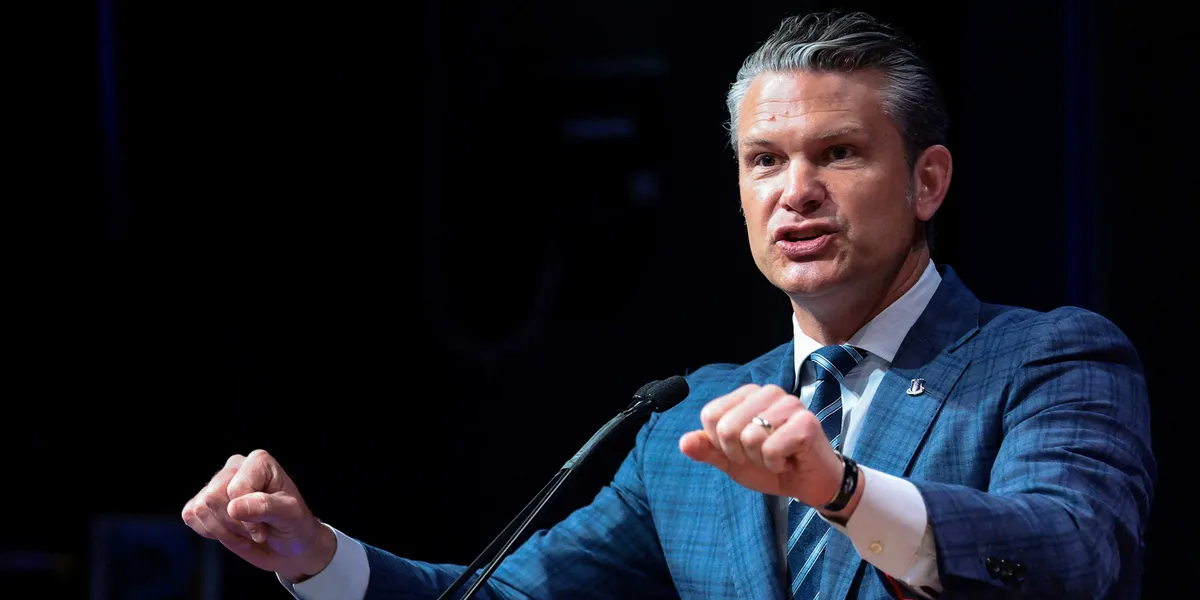
Defense Secretary Pete Hegseth is encountering significant pushback from U.S. allies as he presses for an international coalition to patrol the Strait of Hormuz, Politico reported.
The Strait of Hormuz is a narrow chokepoint between Oman and Iran through which roughly one-fifth of global oil supply transits, along with a substantial share of global liquefied natural gas exports, most notably from Qatar. It has long been a flashpoint for maritime security operations involving the United States and its partners. Previous multinational efforts, including the International Maritime Security Construct formed in 2019 in response to a series of tanker seizures and attacks attributed to Iran, have relied on contributions from a rotating group of allies, though several European nations have at times declined to join U.S.-led maritime initiatives in the region.
European officials have voiced deep frustration with the Trump administration's handling of the conflict, particularly the February airstrike on Iran, which was carried out without prior consultation with Congress or allied governments. According to Politico, Hegseth is urging the United Kingdom and France to lead a naval coalition, but he faces skepticism from at least four British officials as well as U.S. insiders.
U.K. Defense Minister Wes Streeting cautiously agreed to assist with maritime security operations but explicitly ruled out British participation in any offensive actions against Iran.
Sen. Chris Coons (D-DE) addressed the situation directly, stating that President Trump is frustrated that Congress, the American public, and core allies are not backing the war effort against Iran. Coons emphasized that the administration failed to build consensus before escalating the conflict.
"You can't be surprised when you throw a party and you don't invite anybody," Coons said.

