Defense Secretary Hegseth Mocked Over Failed Lindsey Graham Impression at Base Renaming Ceremony
Key Takeaways
- •Defense Secretary Pete Hegseth led a ceremony renaming Joint Base Charleston in honor of the late Senator Lindsey Graham, but abandoned an attempted impression of Graham's accent that was subsequently criticized online.
- •Graham died in July 2026 from an aortic dissection, cutting short a Senate career in which he was regarded as one of Washington's most influential foreign policy voices.
- •Hegseth credited Graham with ensuring Iran would never obtain a nuclear weapon, an assertion contradicted by President Trump's reported willingness to forgo a nuclear deal to end the conflict.
- •As a longtime Senate Armed Services Committee member, Graham exercised direct Pentagon oversight and was considered a chief architect of the Iran war he had advocated for years.
- •The base renaming reflects the intersection of Graham's legislative defense work and his broader campaign for a more aggressive U.S. military posture abroad.
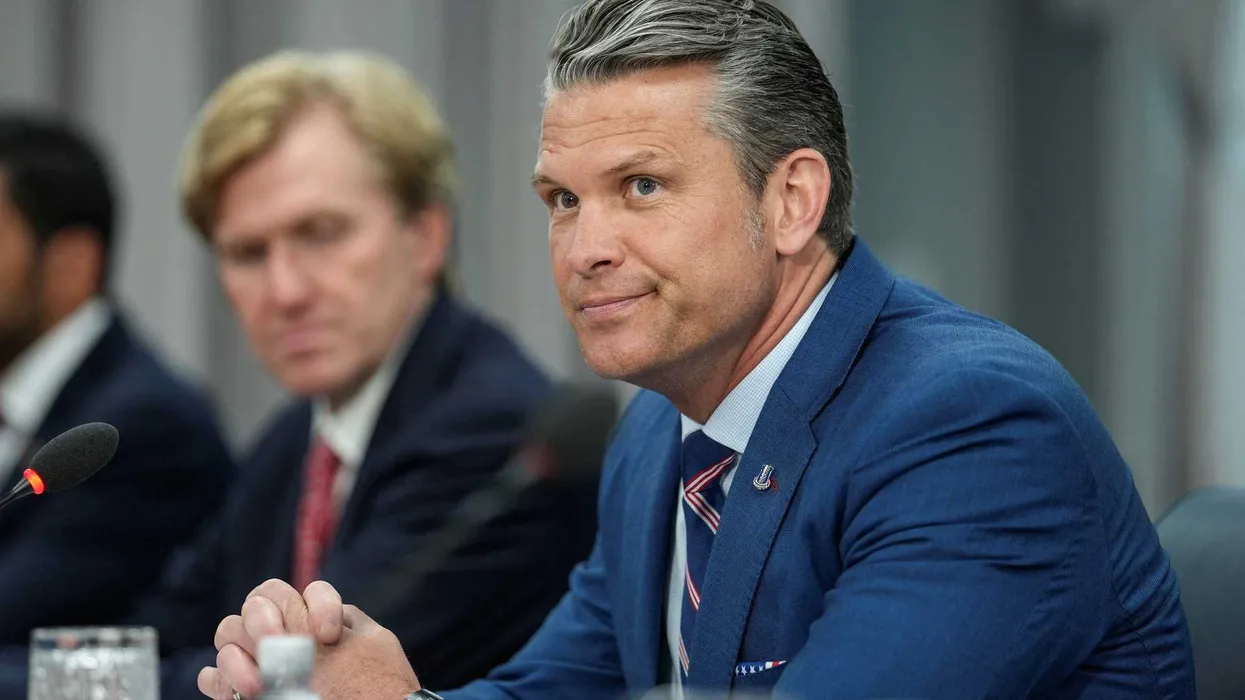
Defense Secretary Pete Hegseth attempted an impression of the late Senator Lindsey Graham (R-SC) on Monday during a ceremony to rename Joint Base Charleston in the South Carolina Republican's honor, but quickly conceded that the impersonation had fallen flat.
"I'll never forget his accent. He sat there and he said, 'gentlemen,'" Hegseth said during the ceremony, before shifting into a gruff voice that he promptly abandoned. "I can't do a Lindsey Graham's accent. It always devolves into a Trump accent."
Graham was known for what has been described as a quintessential "South Carolina drawl." The Charleston City Paper previously observed that the senator's speech often dropped "R-sounding syllables."
After Hegseth acknowledged that his attempt bore little resemblance to Graham's voice, independent journalist Aaron Rupar declared the performance "the worst Lindsey Graham impression of all time."
https://x.com/atrupar/status/2086850535156576627
Hegseth went on to praise Graham for his role in "breaking recruiting records, for taking back the department from the 'wokesters,' and making sure that Iran never has a nuclear weapon." That final assertion, however, was recently contradicted by President Donald Trump, who reportedly told senior aides privately that he was prepared to forgo a nuclear deal with Iran in order to bring the war to an end. The gap between Hegseth's tribute and the president's reported posture underscores the unresolved tension within the administration over how to conclude the conflict that Graham spent years advocating for.
Graham died suddenly in July 2026 after suffering an aortic dissection linked to a hardening of his arteries, according to a preliminary medical finding. His office had initially described the event as a "brief and sudden illness." His death came amid the ongoing Iran conflict he had championed, cutting short a Senate career that had made him one of the most prominent Republican voices on national security.
Graham was widely regarded as one of the most influential voices in Washington on foreign policy matters. A longtime member of the Senate Armed Services Committee, he exercised direct oversight of the Pentagon he is now honored by at Charleston. He advised Trump on both the Iran conflict and Russia, and was considered among the chief architects of the war, having advocated for years in favor of direct confrontation between Washington and Tehran. The renaming ceremony itself—honoring a senator on a military installation he helped oversee—reflects the intersection of Graham's legislative defense work and his broader campaign for a more aggressive U.S. posture abroad.

