Heathrow Loses Title of Europe's Busiest Airport to Istanbul
Key Takeaways
- •Istanbul Airport surpassed Heathrow as Europe's busiest hub in July, recording 8.15 million passengers against Heathrow's 7.9 million.
- •Heathrow has continuously operated with two runways at over 98 per cent capacity, while competing hubs such as Paris Charles de Gaulle, Amsterdam Schiphol, and Frankfurt each operate four or more.
- •Transport Secretary Heidi Alexander launched a fresh government consultation on the third runway policy in June, with a target completion date of 2035.
- •Heathrow CEO Thomas Woldbye has clashed with the Civil Aviation Authority after the regulator considered allowing rival firms to construct the third runway and imposing tighter spending limits.
- •Passenger numbers on Heathrow's routes to and from the Middle East declined 20 per cent year-on-year in July due to the Iran war and broader regional travel disruption.
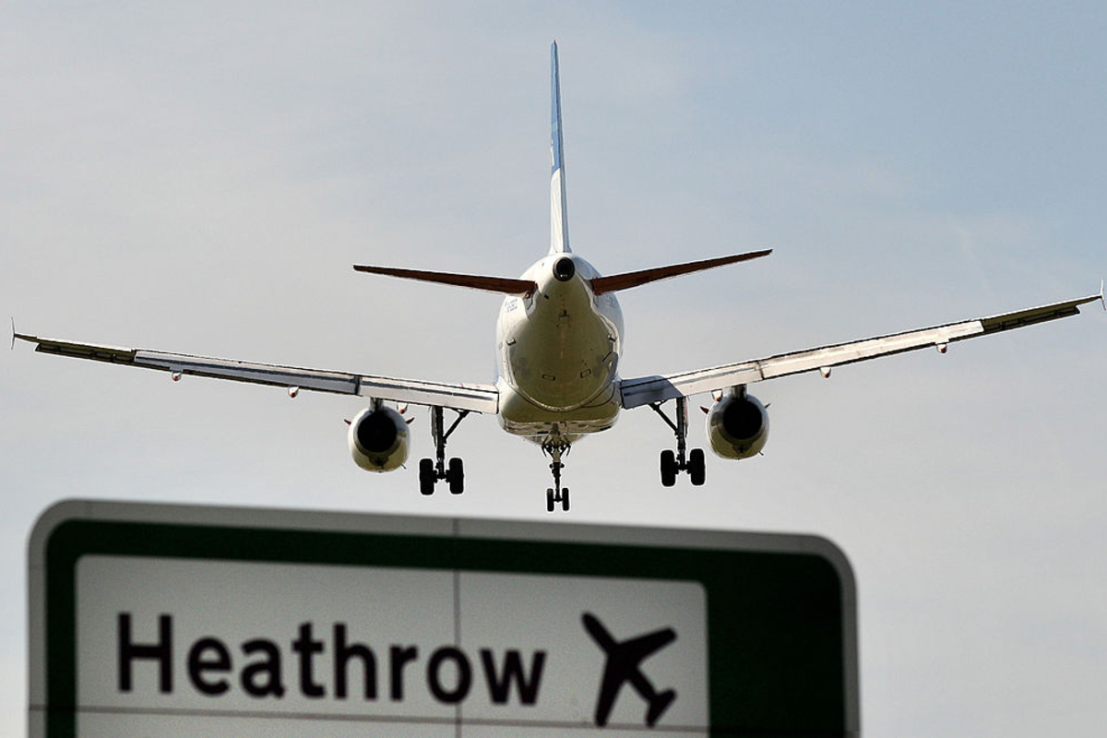
Heathrow has urged that "the case for expansion has never been clearer" after being overtaken by Istanbul Airport as Europe's busiest hub in July.
The West London airport, which has long held the position of Europe's leading travel destination, is currently locked in a dispute with the Civil Aviation Authority (CAA) over its plans for a third runway.
"The case for expansion has never been clearer, as Heathrow was overtaken in July by Istanbul airport as the busiest hub in Europe," the airport said on Tuesday. "Our plans will ensure the country gets the infrastructure it needs to stay competitive and will deliver all-important economic growth."
The UK's largest airport had held the title of Europe's busiest since 1996, before briefly losing it during the Covid-19 lockdowns in 2020. Heathrow regained the top spot in 2023 and had retained it in subsequent years.
Heathrow reported 7.9 million passengers travelling through its terminals in July, a decline of 1.5 per cent year-on-year, while Istanbul recorded 8.15 million passengers over the same period. Istanbul Airport, which opened in 2018 on the city's European side and replaced Atatürk Airport as Turkey's main international gateway, has grown rapidly and serves as the hub for flag carrier Turkish Airlines, whose network spans more countries than any other airline.
The figures come as a warning to the government at a time when Heathrow is seeking final approval for its expansion plans. Heathrow has operated with just two runways for decades, running at over 98 per cent capacity, while rival hubs such as Paris Charles de Gaulle, Amsterdam Schiphol, and Frankfurt operate four or more. Transport Secretary Heidi Alexander launched a fresh consultation on the policy in June, setting out the conditions required for the project to receive approval. Former Chancellor Rachel Reeves said earlier this year she was determined to get "spades in the ground" for the third runway during the current Parliament, with a target completion date of 2035.
The third runway debate has spanned more than a decade, with the government-backed Airports Commission recommending Heathrow expansion over rival Gatwick in 2015 following a multi-year review. The project has faced sustained opposition from environmental groups and local residents over noise, air quality, and carbon emissions concerns.
The airport recorded its busiest day of 2026 on 19 July, when 267,000 passengers passed through its terminals.
Heathrow Battles for Private Expansion
"Expanding Heathrow will help ensure the UK remains home to Europe's leading hub and continues to benefit from the trade, investment and tourism that increased connectivity will bring," said Thomas Woldbye, Chief Executive of Heathrow.
Woldbye has clashed with the CAA in recent months after the regulator indicated it was considering allowing rival firms to build Heathrow's third runway and imposing tighter spending curbs. Heathrow's own plans for a privately-funded expansion are "the only ones that can unlock new capacity and long-term benefits for passengers and the UK," Woldbye has stated.
The airport has also been affected by the Iran war and wider travel disruption across the Middle East. Passenger numbers on routes to and from the region fell 20 per cent year-on-year in July.
Last month, Woldbye disclosed that the airport's tax bill had more than doubled within the space of a year. He warned that the aviation sector is one of the most heavily taxed industries in Britain, cautioning that further tax hikes would ultimately be passed on to passengers through higher fares.
