Heathrow Profit Falls as Tax Bill Doubles Despite Record Passenger Numbers
Key Takeaways
- •Heathrow's tax bill rose to £129 million in the first half of the year, more than double the £62 million paid in the same period a year earlier.
- •Profit fell five per cent to £69 million despite the airport surpassing 40 million passengers for the first time in its history.
- •Passenger traffic to the Middle East declined 25 per cent due to conflict-related flight cancellations, while Asia Pacific and North America routes grew by 7.9 per cent and 1.6 per cent respectively.
- •Heathrow benefited from a £900 million business rates discount but warned that without transitional relief it would have faced over £1.5 billion in business rates over three years.
- •Several airlines are pushing for a regulatory overhaul and even a rival bidder for the third runway project to address Heathrow's status as the most expensive airport of its kind.
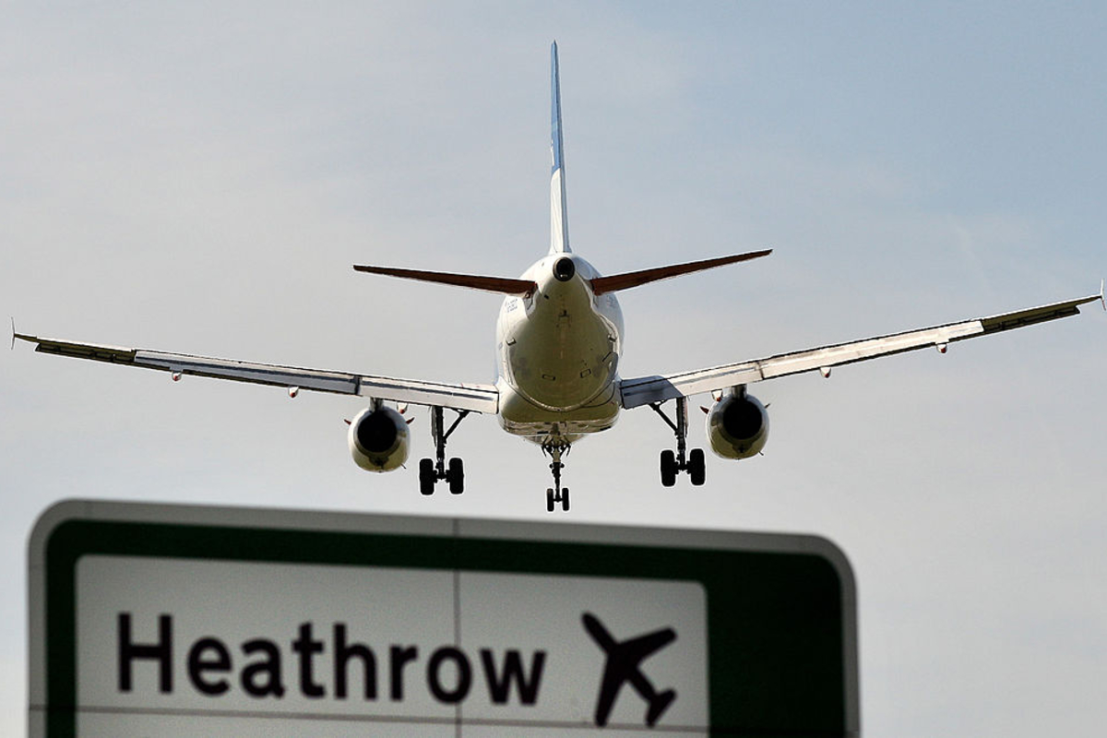
Heathrow Airport's tax bill more than doubled in the first half of the year, weighing on profit at the west London hub even as it handled record passenger numbers despite disruption linked to conflict in the Middle East.
According to Heathrow's latest update, the airport faced a £129m bill to HMRC in the six months to July, compared with £62m a year earlier. The increase reflected the impact of the government's business rates changes and national insurance measures on the company's bottom line, part of broader fiscal measures introduced in Labour's first budget last October that have raised cost pressures across British businesses.
Profit at the airport fell five per cent to £69m. The decline came despite Heathrow attracting more than 40m passengers for the first time in its history, as it withstood uncertainty caused by the Iran war.
The UK's only hub airport recorded a significant rise in traffic to and from Asia Pacific and North America, up 7.9 per cent and 1.6 per cent respectively. However, passenger volumes to and from the Middle East fell 25 per cent, as the prolonged conflict led carriers to cancel flights and prompted fewer passengers to book trips to the region.
Revenue edged up 0.3 per cent to £1.7bn, supported by the record passenger numbers despite the impact of the war. Heathrow generates a large share of its revenue from so-called passenger charges, a levy added to the cost of travellers' tickets. The amount Heathrow can charge per passenger is capped by the Civil Aviation Authority under a regulatory framework that sets limits in multi-year intervals, making the interplay between rising costs and the charge ceiling a persistent point of friction between the airport and its airline customers.
The airport remains the most expensive of its kind, leading several airlines to call for an overhaul of its regulatory model ahead of the planned third runway expansion. Some airlines are lobbying for the ambitious third runway project to be handed to a rival bidder, arguing that such a move would help reduce costs and keep passenger charges lower. The third runway has been debated for well over a decade, with successive governments both backing and blocking the project before the current administration threw its weight behind a new proposal earlier this year.
Thomas Woldbye said: "Our plan for the future is about much more than just building a third runway – this project is a real opportunity to provide an economic boost to every region and nation of the country.
"It will back British industry by pumping billions of pounds of private investment into our UK supply chain, revitalising the UK's steel sector as well as creating tens of thousands of new jobs and skilled apprenticeships across the country."
Heathrow's higher tax bill came even though the airport benefited from a £900m business rates discount. The airport had previously warned that the government's overhaul at last autumn's budget would result in higher fares for passengers.
Without the transitional relief, Heathrow had warned it faced paying more than £1.5bn in business rates over three years.
The hub also cited ministers' national insurance crackdown as a factor adding to its cost base, saying the increase, which came into force in April 2025, was still feeding through into wage pressures this year.

