Treasury urges Chancellor Healey to consider further taxes on banks and oil companies
Key Takeaways
- •Treasury officials view windfall taxes on banks and oil companies as a potential easy source of revenue ahead of the Budget on 28 October.
- •Healey must find £4.7bn in additional revenue over four years for the defence investment plan, alongside £10bn in departmental cuts.
- •The Resolution Foundation estimates the £22.7bn fiscal buffer could fall to as little as £8bn, leaving public finances exposed to shocks.
- •Citigroup chief Jane Fraser and UK Finance have warned the Chancellor against imposing a new tax on the financial services sector.
- •Economists expect the Budget to largely continue the previous government's plans, with Healey relying on reallocating departmental budgets rather than higher borrowing.
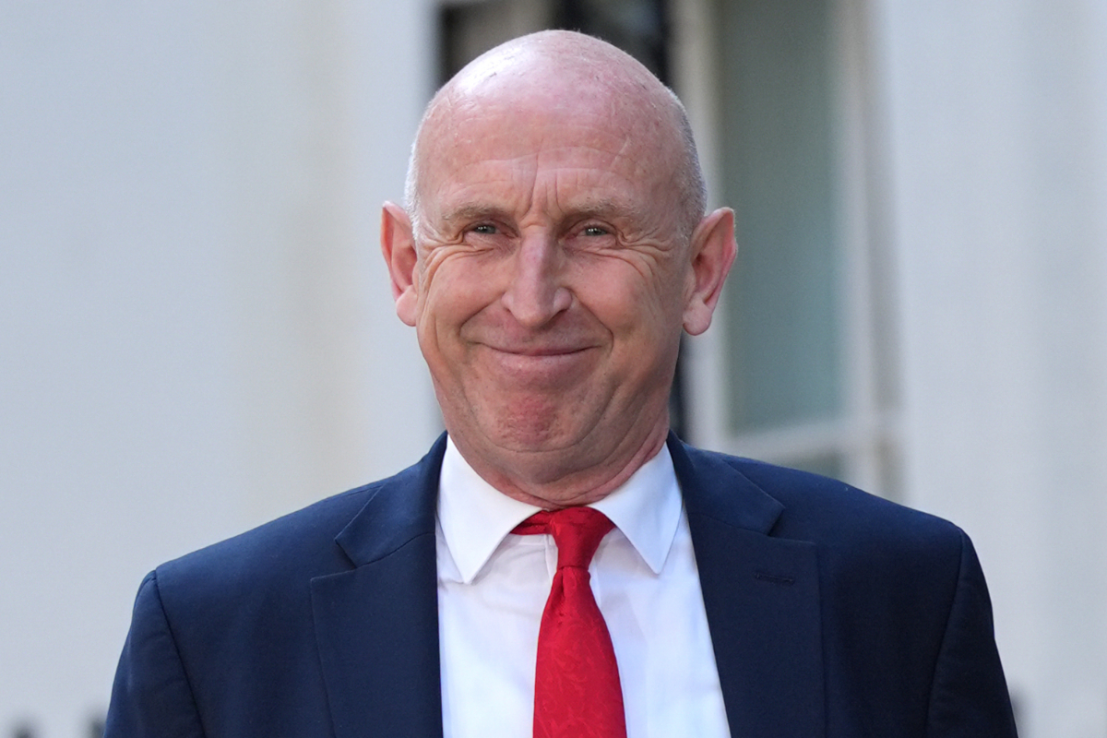
Chancellor John Healey has been presented with proposals to impose further taxes on oil firms and banks, following bumper profits posted by bosses across both sectors, according to reports.
Healey may turn to business taxation at this year's Budget as he seeks to rebuild a partly eroded £22.7bn fiscal buffer and fund spending pledges on defence and the cost of living. The Budget comes at a delicate moment for the public finances, with borrowing costs and departmental demands squeezing the Chancellor's options.
According to Bloomberg, Treasury officials believe windfall taxes on banks and oil companies could prove "low hanging fruit" for lifting government receipts. Any move would follow precedent: the previous government introduced the Energy Profits Levy on oil and gas producers in 2022 after surging energy prices drove record profits for North Sea operators, while banks already pay a surcharge on top of corporation tax, a levy introduced after the 2008 financial crisis bailouts.
The mooted plan is likely to unsettle City bosses during the two months of lobbying and speculation leading up to this year's Budget.
Citigroup chief Dame Jane Fraser has already warned Healey against a new banking tax, while officials at UK Finance have written to the Chancellor cautioning against the risks of hitting the financial services sector. Financial services are a significant contributor to UK tax receipts and exports, which industry groups routinely cite when arguing against further levies on the sector.
Healey must find £4.7bn in additional government revenue over four years to fund the defence investment plan, alongside £10bn in cuts across departments.
His fiscal buffer has also been partly eroded, according to economists. The Resolution Foundation estimates it could fall to as little as £8bn — a narrow margin that would leave the public finances more exposed to shocks such as higher energy prices.
Tax hikes loom
Fresh public sector pay pressures could add further strain on the government's finances.
According to The Sunday Times, Andy Burnham has agreed to give train drivers at Avanti — the line connecting London and Manchester — a pay rise of around 3.6 per cent.
The Aslef union, which represents some drivers earning over £70,000 a year, secured the deal with Burnham, averting disruption on a route that is vital for the Prime Minister when travelling between Number 10 Downing Street and Number 10 North in Manchester.
Drivers at the east coast operator LNER could meanwhile receive a 12 per cent pay rise over four years, reports suggested.
The squeeze on the public finances could restrict the room available to Healey and Burnham to offer "breathing space" to households and businesses.
City economists do not expect the Budget on 28 October to depart radically from the previous government's economic plans, with large expansions in public spending or further borrowing considered unlikely.
The government has already said it would defer a decision on raising defence spending to three per cent of GDP until the middle of next year, when a government spending review is scheduled.
Barclays economist Jack Meaning said he believed the fiscal statement would amount to "continuity" from Rachel Reeves, with Healey likely to lean more heavily on reallocating budgets across government departments.
A Treasury spokesperson said: "The Chancellor is fully focused on his priorities to boost business, help with the cost of living and support people in every postcode, underpinned by fiscal discipline and a commitment to meeting the fiscal rules with a buffer against uncertainty.
"The Office for Budget Responsibility will publish its updated forecast alongside the Budget in October and we will not comment on rumour, speculation or proposals about its contents ahead of then."
