Healey Pledges Growth, but Business Groups Say Past Mistakes Still Weigh on the Economy
Key Takeaways
- •Chancellor John Healey used a high-profile speech to address a 'cost of doing business crisis' and stress fiscal credibility after recent bond market volatility.
- •Healey argued that economic growth is the only way to tackle both the cost of living and pressures on employers.
- •The British Chambers of Commerce warned the Chancellor that further tax increases would put the UK on the road to ruin.
- •The business group calculates that government policies have increased business overheads by 70 per cent over the past decade.
- •Critics point out that costly measures such as the Employment Rights Act were introduced by the Labour government Healey has served in for two years.
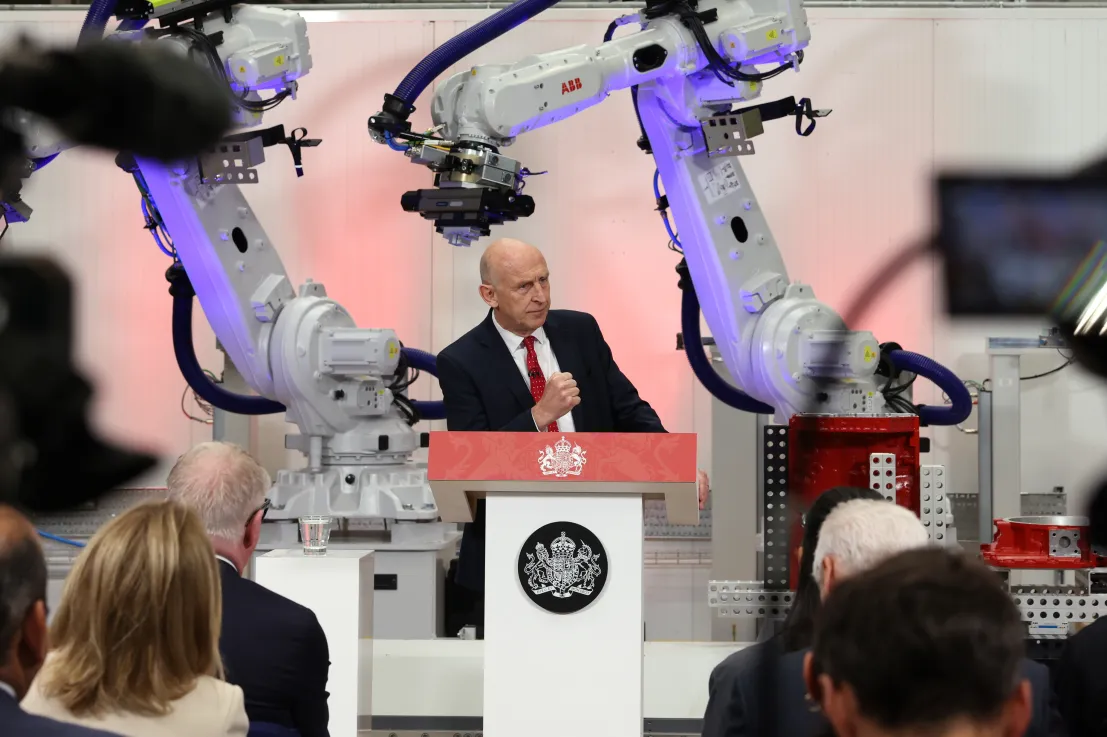
John Healey has a reassuring voice. If he told you there was dry rot in your house, or rang to report suspicious activity on your bank account, you would feel oddly calm about it. He is not a gifted public speaker, but there is an ease and a glimmer of warmth to him that stands in stark contrast to the earnest yet nervous babbling of his predecessor.
The Chancellor's speech yesterday had been talked up for weeks. Coming after a period of dramatic activity in the bond market, it was treated as an opportunity to set out the whole "vision thing" while at the same time ramming home the message on fiscal credibility. The stakes are real for a chancellor: swings in gilt yields feed directly into government borrowing costs, which is why markets watch such speeches closely for any sign that spending or debt plans are straining credibility.
Healey also struck the tone of a teacher walking into a chaotic classroom and asking, with quiet authority, "what is going on in here?" During his first few weeks at the Treasury, he has discovered that the UK faces a "cost of doing business crisis" – and he has vowed to do something about it. Linking the cost of living to the difficulties facing employers, he said "the only way you deal with that…is growth." It is a familiar framing for a Labour chancellor – echoing the government's long-standing pledge to make growth its number one mission – but business groups have grown sceptical of such rhetoric without matching action on taxes and regulation.
If one were feeling generous, one might take him at his word and say "quite right, crack on." But it is hard to ignore that the country is two years into a Labour government – a government of which Healey has been a senior member – and many of the most egregious costs imposed on the private sector have come from his own former or current cabinet colleagues.
Businesses beg Chancellor: no more tax hikes
It was therefore difficult to hear the Chancellor promise to take the axe to red tape without acknowledging the epic and expensive bureaucracy produced by the Employment Rights Act, for example – legislation that expanded workplace rights such as day-one protections against unfair dismissal and attracted sustained criticism from employers over its compliance costs.
He insists that growth is the answer to the current malaise, but he overlooks the growth-strangling agenda of his own party's previous two years in office. Instead, he paints a picture of future growth generated by a devolution agenda that few people believe will move the dial for many years – if indeed it works at all.
The British Chambers of Commerce has told Healey that any further tax increases would put the UK "on the road to ruin" – is he listening? The business group calculates that government policies have pumped up overheads by 70 per cent in a decade, and that it is time to relieve the burden.
The Chancellor wants to focus on the future, but undoing the mistakes of the past would be a good place to start. What to watch next is whether the coming Budget delivers actual relief – on employer costs, regulation or tax – rather than repeating the growth message business groups say they have heard before.
