Trump Economic Adviser Kevin Hassett Defends 'Amazing' Economy Amid Poll Showing 77% of Americans Rate Conditions as Poor
Key Takeaways
- •A recent poll shows 77% of Americans view economic conditions as poor, marking the lowest such reading during Trump's second term.
- •Hassett cited declining inflation, low unemployment, minimal initial jobless claims, and approximately 4% final demand growth as evidence of a strong economy.
- •Hassett argued that rising real incomes are a more meaningful political signal than polling data, drawing on economic research linking personal finances to voting behavior.
- •The gap between positive macroeconomic indicators and negative consumer sentiment has appeared across multiple administrations, suggesting structural causes beyond any single president's policies.
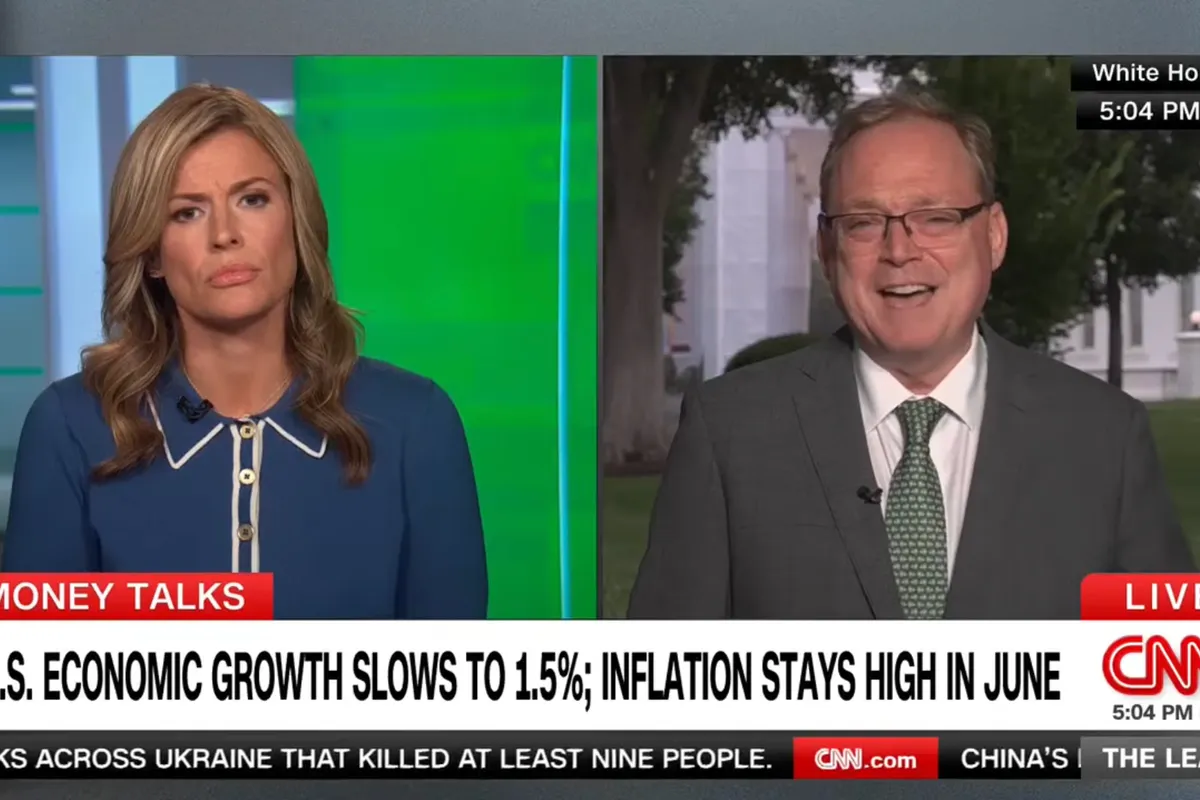
National Economic Council Director Kevin Hassett, a top economic adviser to President Donald Trump, maintained Thursday that the U.S. economy was "amazing," even as a recent poll indicates that a significant majority of Americans hold a negative view of current economic conditions.
During an appearance on CNN, Hassett spoke with anchor Pamela Brown, arguing that the administration's economic policies were delivering tangible benefits to Americans. Brown challenged that assertion by referencing polling data that suggested widespread public dissatisfaction.
"You said just a moment ago, Kevin, that consumers are optimistic," Brown said. "But we have this poll where 77% of Americans say economic conditions are overall poor. That is the lowest of Trump's second term so far. Is this the 'amazing' economy the administration thought you'd all be boasting about when the 'Big, Beautiful Bill' was passed more than a year ago?"
Hassett, who previously served as chairman of the Council of Economic Advisers during Trump's first term before being tapped to lead the National Economic Council — the White House body responsible for coordinating domestic and global economic policy advice to the president — in the second, pushed back by pointing to economic indicators.
"Right now the economy does look amazing to me," Hassett said. "The inflation is going down. The unemployment rate is low. Initial claims are like almost no one's getting fired, and final demand was up about 4%, which is about what my friend Howard Lutnick was predicting back then. It was the sort of surge in imports of capital goods that I think caught people a little bit by surprise."
Howard Lutnick serves as Commerce Secretary in the Trump administration.
Hassett asserted that the data pointed to "strong growth" and suggested that real income gains would ultimately shape voter attitudes more than polling snapshots. Drawing on economic research, he argued that personal financial circumstances tend to drive electoral decisions.
"One of the things that I can say as an economist is that there's a big economic literature that says that in the end, people vote based on what's in their pockets," he said.
Hassett also sought to contrast the current economic landscape with that of former Presidents Barack Obama and Joe Biden, arguing the economy had performed worse under their leadership. He expressed confidence that rising real incomes represented a more meaningful political signal than the poll numbers Brown cited.
"And so I think that the real incomes growing right now are really a positive sign politically and much more positive than something I would see at a poll," Hassett said.
The exchange underscored a persistent gap between macroeconomic indicators and consumer sentiment during Trump's second term, a divergence that has been a recurring theme in economic commentary and public opinion surveys. Similar gaps between strong headline data and negative public perception appeared during the Biden administration as well, when robust job growth and declining inflation coincided with persistently low consumer confidence — suggesting the disconnect may reflect structural factors such as cumulative price levels, housing costs, and partisan polarization in survey responses rather than any single administration's policies alone.

