Han calls for preemptive steps to reduce heat wave damage
Key Takeaways
- •Han Seong-sook called for advance measures to reduce damage from the ongoing heat wave.
- •She said the government should prioritize jjokbang villages, construction sites, and other vulnerable locations.
- •Some regions are forecast to see temperatures rise close to 40 C this week.
- •The Korea Meteorological Administration issued its highest heat wave warning for 17 areas in southern Korea on Monday.
- •The highest heat wave warning is issued when perceived temperatures reach 38 C or daily maximum temperatures reach 39 C or higher.
South Korea
Politics
Han calls for preemptive steps to reduce heat wave damage
Published Jul 28, 2026 1:54 pm KST
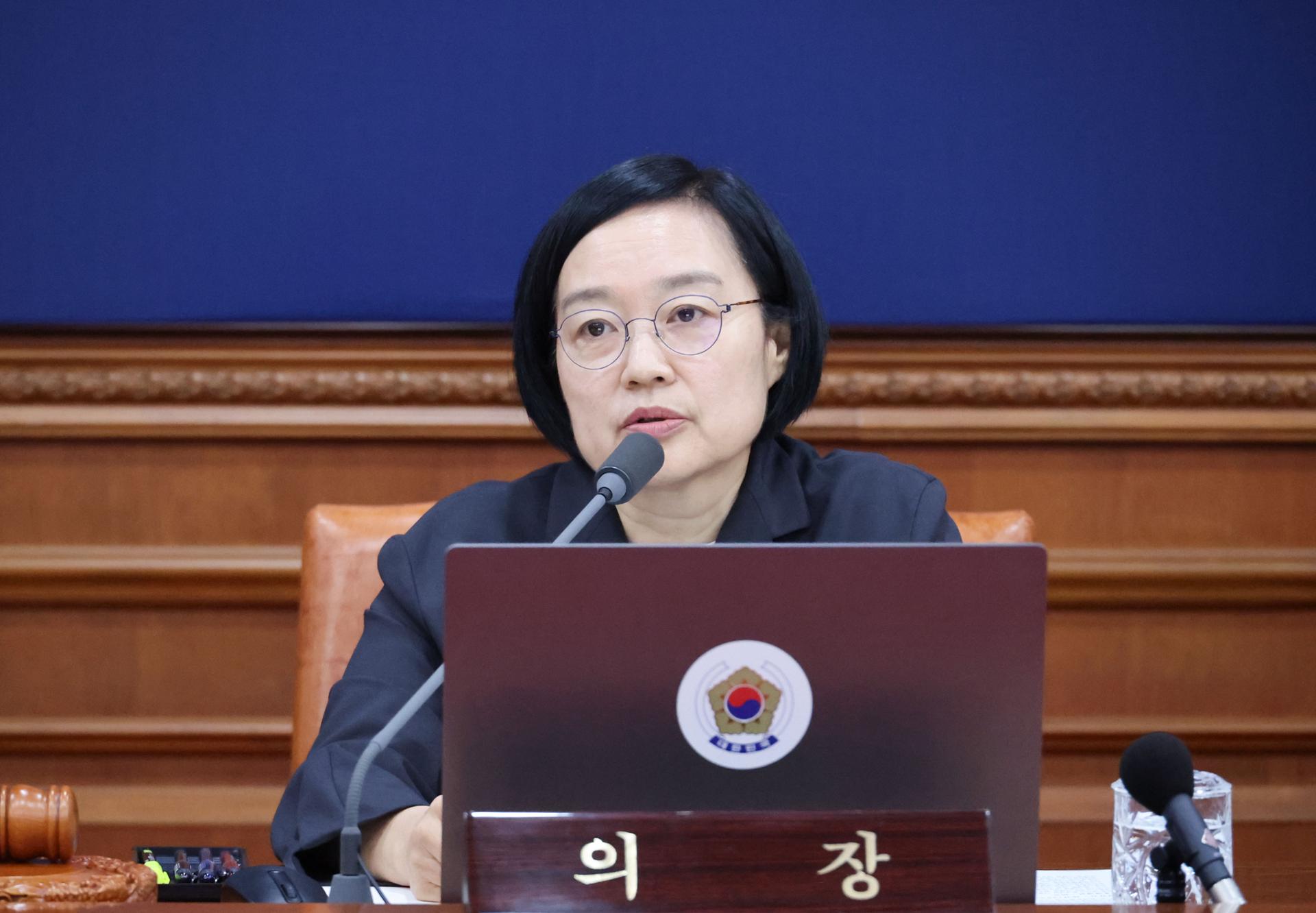
Prime Minister Han Seong-sook presides over a Cabinet meeting held at Government Complex Seoul on Tuesday. Yonhap
Prime Minister Han Seong-sook on Tuesday called for preemptive measures to minimize damage from the heat waves gripping the country, citing forecasts that some regions could see temperatures rise to nearly 40 C.
Han said during a Cabinet meeting that this week could mark the culmination of the intense heat and that the government should take steps to protect people living in heavily cramped tiny housing units, known as "jjokbang" in Korean, as well as construction workers and other vulnerable groups. The warning underscores how the government is framing the heat wave not just as a weather issue but as a public safety challenge for people with limited access to cooling and for workers exposed outdoors.
"We should check on jjokbang villages, construction sites and other places vulnerable to heat waves in a way that could be seen as excessive," Han said. "In particular, as temperatures in some regions are forecast to rise close to 40 C, this week is expected to be an important culmination."
On Monday, the Korea Meteorological Administration issued the highest heat wave warning for 17 areas in southern Korea.
The serious heat wave warning is the highest warning level established last June, 18 years after the heat wave advisory system was introduced in 2008. It is issued when the highest perceived temperature reaches 38 C or higher, or when the maximum daily temperature reaches 39 C or higher, levels considered life-threatening.

