Haberman Says Trump 'Started Picking on' Susie Wiles Amid Cancer Diagnosis, Prompting Her Resignation
Key Takeaways
- •Maggie Haberman attributes Susie Wiles's resignation as Trump's chief of staff primarily to Trump's lack of empathy during her breast cancer diagnosis.
- •Tensions between Trump and Wiles intensified after the 2026 midterm elections, when Trump was reportedly furious and appeared to blame her for the results.
- •Haberman rejected the notion that the split arose solely from allegations about Wiles's daughter trading influence with a lobbying firm, calling the situation more complicated.
- •Haberman described an inner-circle dynamic in which every Trump aide eventually faces a limited tenure, contrasting Wiles's transactional approach with that of Stephen Miller.
- •Wiles, diagnosed with breast cancer in March 2026 and since declared cancer-free, leaves Trump facing the task of naming a new chief of staff.
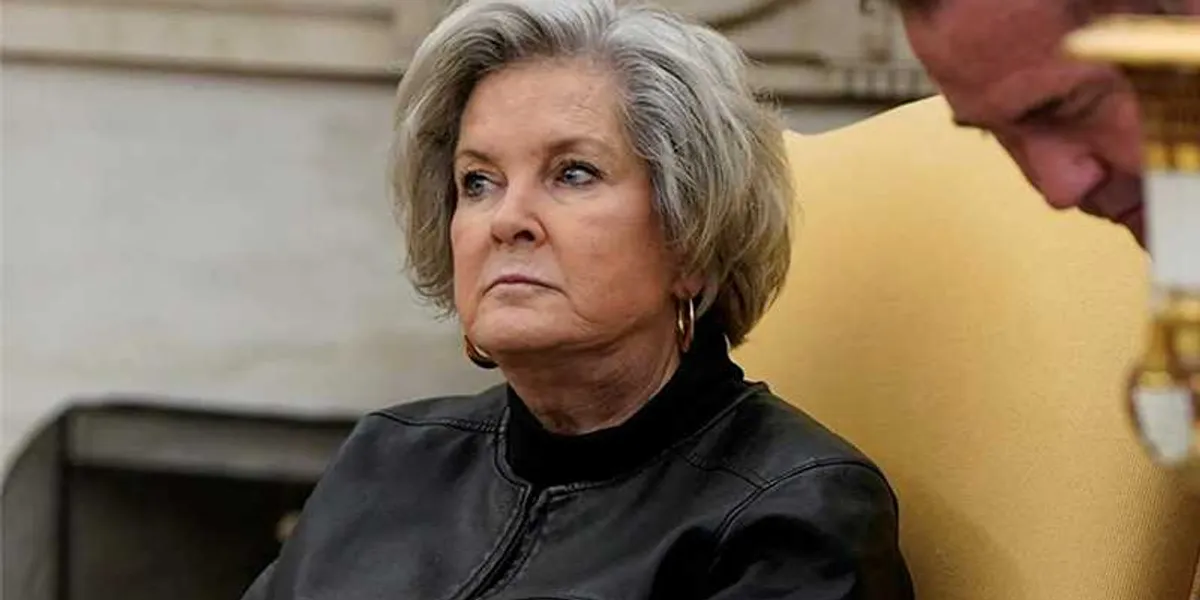
New York Times journalist Maggie Haberman, who has covered Trump for decades, says Susie Wiles, President Donald Trump's former chief of staff, was forced to resign because of Trump's lack of empathy as she dealt with a cancer diagnosis. The chief of staff role is widely regarded as the operational nerve center of a White House, overseeing the president's staff, schedule, and agenda. Haberman discussed Wiles's exit on an episode of the Raging Moderates podcast, saying Wiles was subjected to immense scrutiny during her illness — scrutiny that came directly from Trump.
According to Haberman, tensions intensified after Trump's meltdown following the 2026 midterm elections, in which he seemingly blamed Wiles. Mediaite reported at the time that Trump was “furious” with Wiles in the aftermath, and that she offered to resign after months of buildup since her breast cancer diagnosis in March 2026.
When podcast host Jessica Tarlov asked whether the rift between Trump and Wiles stemmed from Wiles's daughter allegedly “trading influence” in her position with a lobbying firm, Haberman said the situation had been building and was more complicated than it appears. For starters, she asserted, Trump's loyalty is fickle.
“In terms of why she left, there were a lot of reasons,” Haberman said. “The main is that everybody has an hourglass timer with Trump on their own timeframe of how long they're going to last. You know, the egg timer turns, and the sands start falling — it is literally true for everyone. And then they can end up coming back in some fashion.”
Despite reports that Wiles was well-liked internally by other Trump aides, Haberman said she was not exempt from Trump turning on her to save himself. “Susie was with Trump at his lowest point in 2021. He was with her at her lowest point when Ron DeSantis, after she had helped manage the late stages of his gubernatorial campaign, they had a huge falling out and it was over money-related issues,” Haberman said.
Haberman said the dynamic began to shift when Wiles fell ill earlier this year. Wiles has since announced that she is cancer-free.
“A couple of people have said to us privately that you can trace the beginning of chaos becoming more visible — doesn't mean it wasn't there — but more visible and reverting to the Trump mean, around her diagnosis,” Haberman explained. “She wasn't physically as present, she tried working through it. People knew that she wasn't there, and Trump does not like ... illness. He sees it as weakness. And so, he started picking on her,” she continued.
“So, this was always going to end poorly this way,” Haberman added. “But it is true that Susie Wiles ... she's a transactional political figure in a way that Stephen Miller just is not.” The comparison to Miller, a longtime Trump adviser, underscored Haberman's account of an inner circle in which even the most trusted aides eventually see the hourglass run out. With Wiles gone, attention now turns to who Trump will name to a role that touches nearly every facet of the president's day-to-day operation.
This article is based on Alternet's original report of Haberman's remarks on the Raging Moderates podcast.

