Revolutionary Guards Veteran Abbas Rasoulifar Led January Crackdown on Tehran Protesters, Investigation Finds
Key Takeaways
- •Iran International identified Abbas Rasoulifar, a Revolutionary Guards veteran of the Syria conflict, as a key commander in the deadly crackdown on protesters in Shahriar near Tehran.
- •The crackdown occurred during January's nationwide protests, when security forces reportedly used coordinated lethal tactics across Tehran province.
- •The involvement of combat-experienced Revolutionary Guards personnel points to a highly organized and militarized response to domestic unrest.
- •The episode is part of a broader pattern of state violence, including crackdowns after the 2022 death of Mahsa Amini that rights groups say caused hundreds of deaths.
- •Markets reportedly interpret the crackdown as raising the likelihood of regime instability or change in Iran.
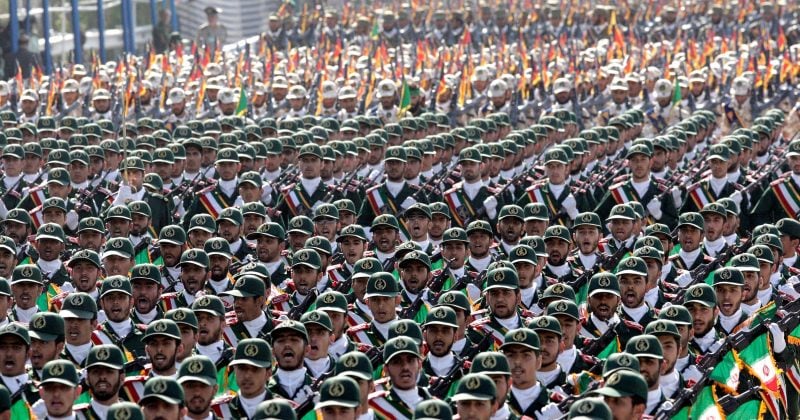
An investigation by Iran International has identified Abbas Rasoulifar, a veteran of Iran's Revolutionary Guards who previously fought in Syria, as a key figure commanding a deadly crackdown on protesters in Shahriar, near Tehran.
The crackdown took place during nationwide protests in January, when security forces reportedly employed coordinated lethal tactics across Tehran province. Witnesses and local sources identified Rasoulifar as leading operational groups deployed against demonstrators, underscoring the involvement of personnel with combat experience in the suppression of domestic unrest. Iran International is a Persian-language outlet based abroad that has repeatedly published investigations naming security personnel involved in crackdowns, a practice that has made its journalists targets of threats, according to press-freedom groups and foreign governments.
The participation of a high-ranking Revolutionary Guards member with experience in external military operations points to a heightened level of organization and militarization in Iran's response to the protests. The Revolutionary Guards, formally the Islamic Revolutionary Guard Corps, were established after the 1979 revolution as a force charged with protecting the Islamic Republic and have built extensive economic and security power, including control over the Basij militia that has long been deployed against domestic dissent. The episode forms part of a broader pattern of state violence against widespread anti-government demonstrations in Iran, including the wave of protests that followed the 2022 death of Mahsa Amini in morality-police custody, which authorities have met with severe measures including internet shutdowns and mass arrests. Human rights groups have documented hundreds of deaths in those crackdowns, and international bodies have pressed for accountability.
Reports that a Revolutionary Guards veteran helped command the crackdown on protesters indicate a militarized response to civil unrest, while evidence of coordinated lethal tactics in Tehran province appears consistent with scenarios suggesting increased regime instability. Markets, according to the reporting, appear to interpret these developments as raising the likelihood of potential regime change or instability in Iran.
Observers will be watching the Iranian regime's response to the ongoing unrest, particularly any signs of defection within the Revolutionary Guards or other security forces. The involvement of high-ranking military figures in domestic crackdowns could influence market perceptions of regime stability, while significant shifts in protest activity or changes in international diplomatic stances could further affect market pricing related to Iran's political future.
