GTT Projects Demand for 550 New LNG Carriers by 2035 Amid Record Orderbook
Key Takeaways
- •GTT projects approximately 550 LNG carrier orders between 2026 and 2035, plus demand for 25 to 40 ethane carriers, up to 10 FSRUs, as many as 10 floating LNG facilities, and roughly 30 onshore storage tanks.
- •The global LNG carrier orderbook stood at 338 vessels totalling 54.3 million cubic metres as of July 1, equivalent to 38.9% of the existing fleet capacity, with 908 carriers already in operation.
- •GTT's containment technology is specified on roughly four out of every five LNG carriers currently on order, giving the company 272 vessels in its core orderbook at the end of June.
- •An additional 37 million tonnes per annum of liquefaction capacity reached final investment decision this year, following a record 84 million tonnes sanctioned the prior year, which is expected to drive substantial shipping demand as projects advance.
- •Annual LNG carrier construction capacity at Korean and Chinese shipyards has grown from approximately 55 slots in 2020 to 90 this year, and GTT expects it to surpass 100 by 2028.
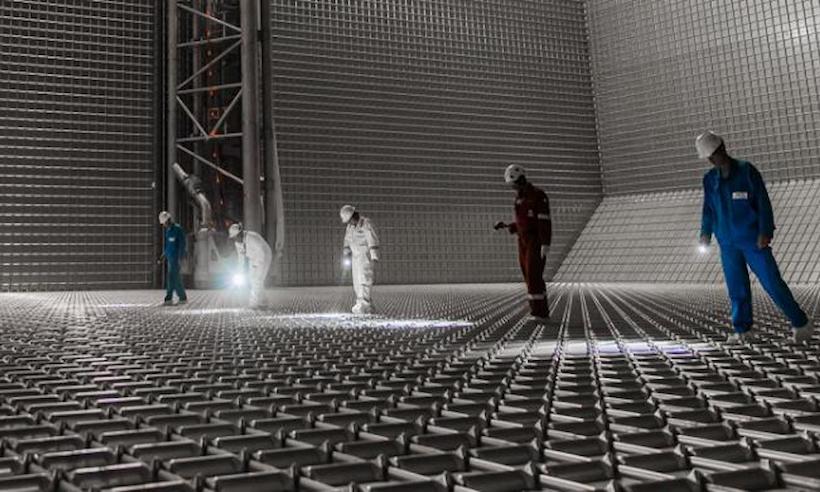
French containment specialist GTT anticipates approximately 550 LNG carrier orders over the next decade, even as the sector grapples with one of the largest newbuilding backlogs in commercial shipping.
GTT's membrane containment systems — primarily its NO96 and Mark III technologies — are the de facto industry standard for LNG carriers, making the company's forecasts a closely watched barometer for shipbuilding and trade patterns.
The forecast spans contracts placed between 2026 and 2035. It also includes projected demand for 25 to 40 very large and ultra-large ethane carriers, up to 10 floating storage and regasification units (FSRUs), as many as 10 floating LNG facilities, and roughly 30 onshore storage tanks. FSRUs have gained particular traction as a faster-to-deploy, lower-cost alternative to land-based import terminals, allowing countries to establish LNG import capability without multi-year onshore construction.
The prediction stands out given the substantial volume of LNG tonnage already committed. According to Clarksons Research, 908 LNG carriers with a combined capacity of 139.7 million cubic metres were in service as of July 1. An additional 338 vessels totalling 54.3 million cubic metres were on order, representing 38.9% of the existing fleet by capacity.
The backlog is heavily concentrated in the mainstream large-carrier category. Clarksons records 243 vessels of 150,000 to 180,000 cubic metres on order, equating to 44.1% of the capacity already trading in that size band. Production of these vessels is dominated by South Korea's three major shipbuilders — HD Hyundai Heavy Industries, Samsung Heavy Industries, and Hanwha Ocean (formerly DSME) — alongside China's Hudong-Zhonghua Shipbuilding.
Delivery schedules show approximately 11.4 million cubic metres of capacity due for the remainder of 2026, followed by 15.2 million cubic metres in 2027 and 27.8 million cubic metres from 2028 onward.
GTT supplies containment systems for the majority of this construction wave. At the end of June, the company held 272 LNG carriers in its core orderbook. Against Clarksons' global tally of 338 ships, GTT technology is specified on roughly four out of every five LNG carriers currently on order or under construction.
The sizeable global orderbook has already produced periods in which vessel deliveries outpaced new liquefaction capacity, pressuring utilisation rates and spot earnings.
GTT maintains that long-term demand will be sufficient to absorb the new supply. An additional 37 million tonnes per annum of liquefaction capacity reached final investment decision this year, including 21 million tonnes in the United States. That follows a record 84 million tonnes sanctioned in the prior year, generating substantial shipping requirements as these projects advance toward production. Trade-route dynamics also amplify vessel demand: longer-haul exports from the US Gulf to Asian buyers require more ships per unit of LNG than shorter Middle East-to-Asia routes, boosting the tonne-mile demand that ultimately determines carrier requirements.
The company projects LNG demand to grow at a compound annual rate of approximately 5% between 2026 and 2035, with about 80% of the increase originating from Asia. European energy-security concerns and rising Middle Eastern requirements further underpin the outlook.
Shipyards are scaling up in response. GTT estimates annual LNG carrier construction slots at Korean and Chinese yards have climbed from around 55 in 2020 to 90 this year, and will surpass 100 by 2028.
The forecast signals that the current record orderbook does not represent the peak of the LNG carrier cycle. The key challenge for shipowners will be aligning deliveries of hundreds of costly new vessels — each priced at roughly $260 million at current newbuilding rates — with the precise commissioning timelines of the export projects intended to employ them.

